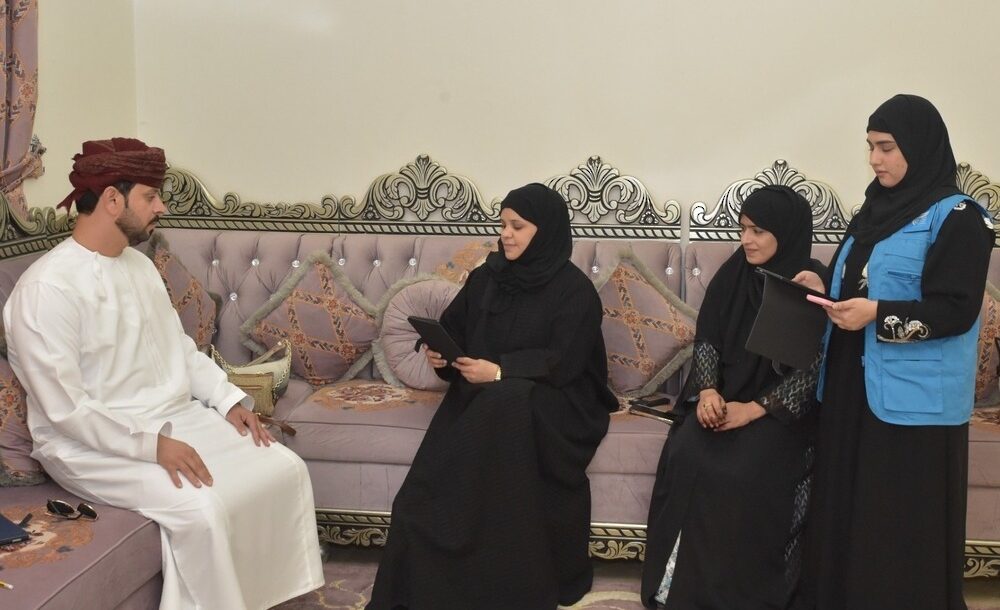

MUSCAT : The survey, currently underway across all governorates of the Sultanate, aims to provide reliable data on the prevalence and risk factors of NCDs—such as diabetes, hypertension, and heart disease—and support Oman’s long-term vision for health and sustainable development.

Dr. Shatha bint Saud Al Raisi, Director of the Department of Non-Communicable Diseases at the Ministry of Health, pointed out that the survey is a critical, evidence-based tool to realistically assess the burden of non-communicable diseases and their risk factors across the country. She highlighted its role in establishing targeted health interventions and strengthening national programs, in line with Oman Vision 2040 and global Sustainable Development Goals (SDGs) on reducing premature mortality from NCDs.
The survey focuses on three core goals: Measuring the national burden of non-communicable diseases; building a comprehensive health database for use in policy and planning; informing and improving health interventions and services.
It targets both male and female citizens and residents aged 15 and above, collecting data on lifestyle behaviours and biological indicators such as blood pressure, glucose levels, and cholesterol.
According to Dr. Al Raisi, findings from the survey will inform health strategies, including the expansion of early screening programs and the implementation of the national multisectoral policy on NCDs. It also allows for real-time health monitoring and better allocation of resources to communities most at risk.
The survey is being conducted in cooperation with the World Health Organization (WHO), which ensures that the methodology aligns with international standards. It also involves key national partners including the National Centre for Statistics and Information, Royal Oman Police, Ministry of Information, and Ministry of Endowments and Religious Affairs, among others.
Dr. Al Raisi stressed that the survey’s success relies heavily on community cooperation, urging residents to welcome survey teams, provide accurate responses, and undergo health measurements. “Participation is voluntary, but its impact is national. Every individual’s input helps shape better health policies for future generations,” she said.
Recognising the challenges of conducting such a large-scale survey—including geographical access and public trust—the Ministry has launched a comprehensive awareness campaign using media, sermons, SMS, and multilingual video messages. The Ministry has also activated a call centre to address inquiries and counter rumours, ensuring transparency and continuous community engagement.
As Oman continues to tackle the rising tide of chronic illnesses, this national survey serves as a foundation for a healthier society. By identifying risk factors, improving early detection, and guiding health reforms, the initiative marks a significant step forward in the Sultanate’s public health agenda.
For all the latest news from Oman and GCC, follow us on Twitter, Instagram and LinkedIn, like us on Facebook and subscribe to our YouTube page, which is updated daily.
Read More
- Oman sets jail terms of up to three years for insulting national flag, emblem or anthem
- Oman sets fees for fingerprint attestation, good conduct certificates for citizens and expats
- Oman’s Shura Council to begin fourth ordinary session on November 15
- Director apologises after Omani passport scene in Netflix series sparks criticism
- Oman audit authority handles 1,809 complaints and reports in 2025





