
Muscat – These figures, released by the village’s Tourist Guidance Office, which is affiliated with the Ministry of Heritage and Tourism, highlight the growing popularity of this scenic destination.
February 2025 marked the peak of tourist activity, drawing 7,888 visitors, a noticeable increase from 6,499 in the same month last year and 4,974 in February 2023.
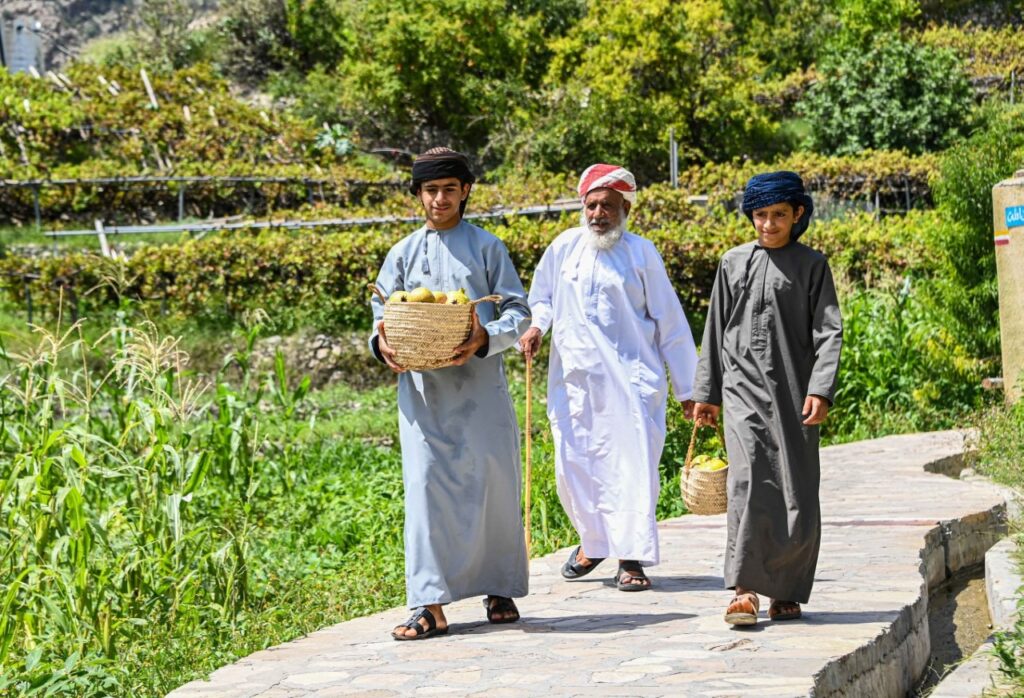
Officials attribute Wakan’s growing popularity to its unique blend of natural beauty, adventure tourism, and rich agricultural heritage. Dr. Al Moatasem bin Nasser Al Hilali, Director of the Department of Heritage and Tourism in South Al Batinah, said Wakan offers visitors a “diverse tourism experience,” including guesthouse stays in the mountains, hikes along ancient trails, and agricultural tours through centuries-old terraces.
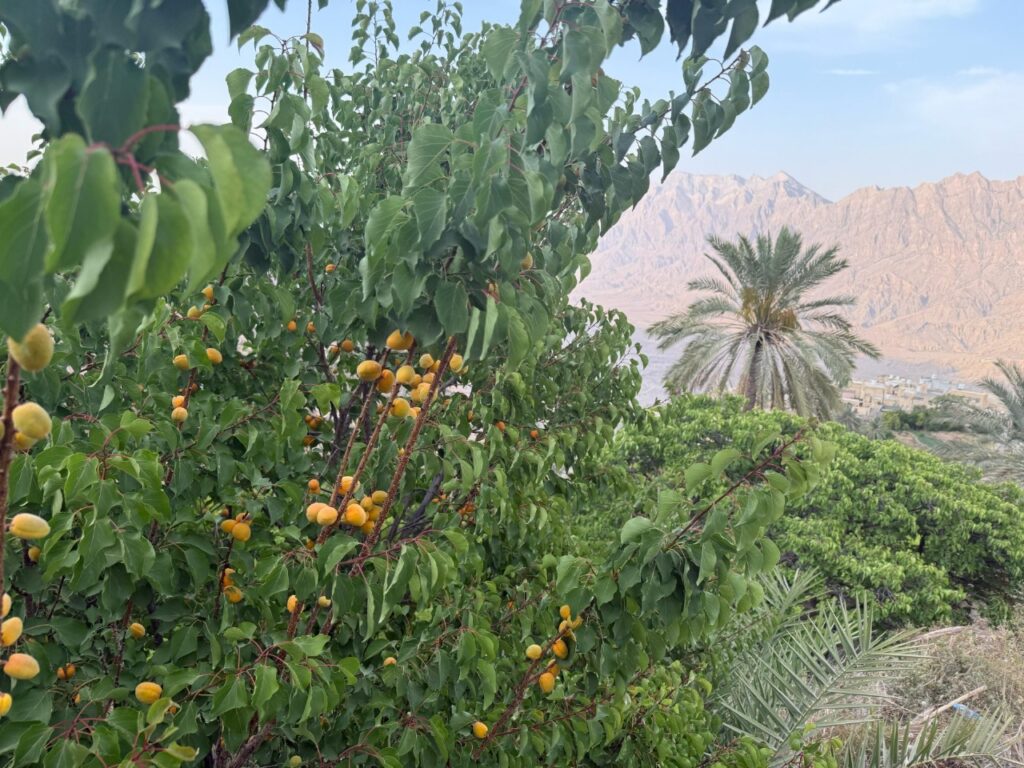
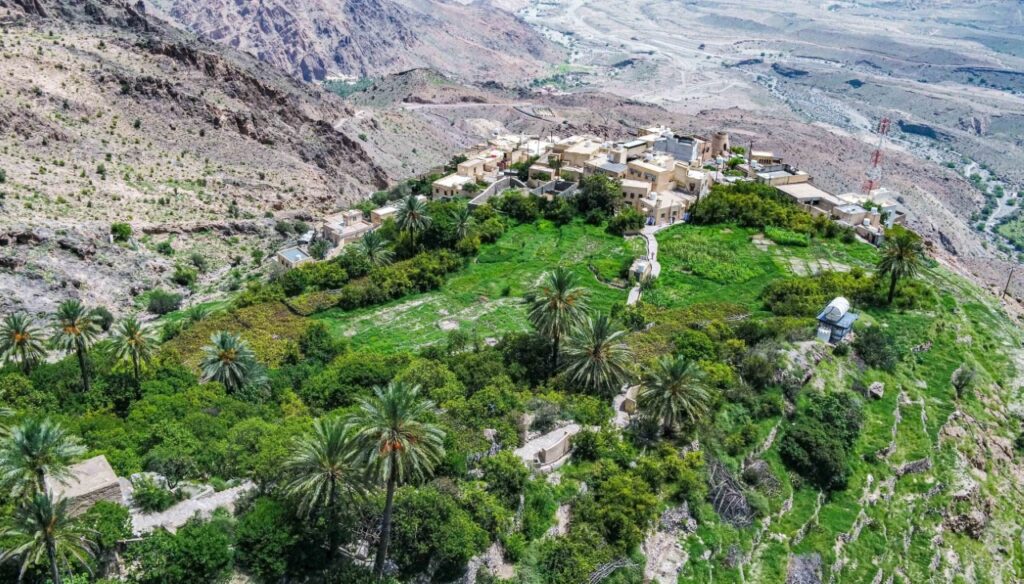
He pointed out that Wakan has become a sustainable tourist destination due to its moderate summer temperatures and seasonal harvests. The village is especially renowned for its summer crops, such as apricots, pomegranates, grapes, peaches, and walnuts—all of which thrive in the elevated climate of the Western Al Hajar Mountains.
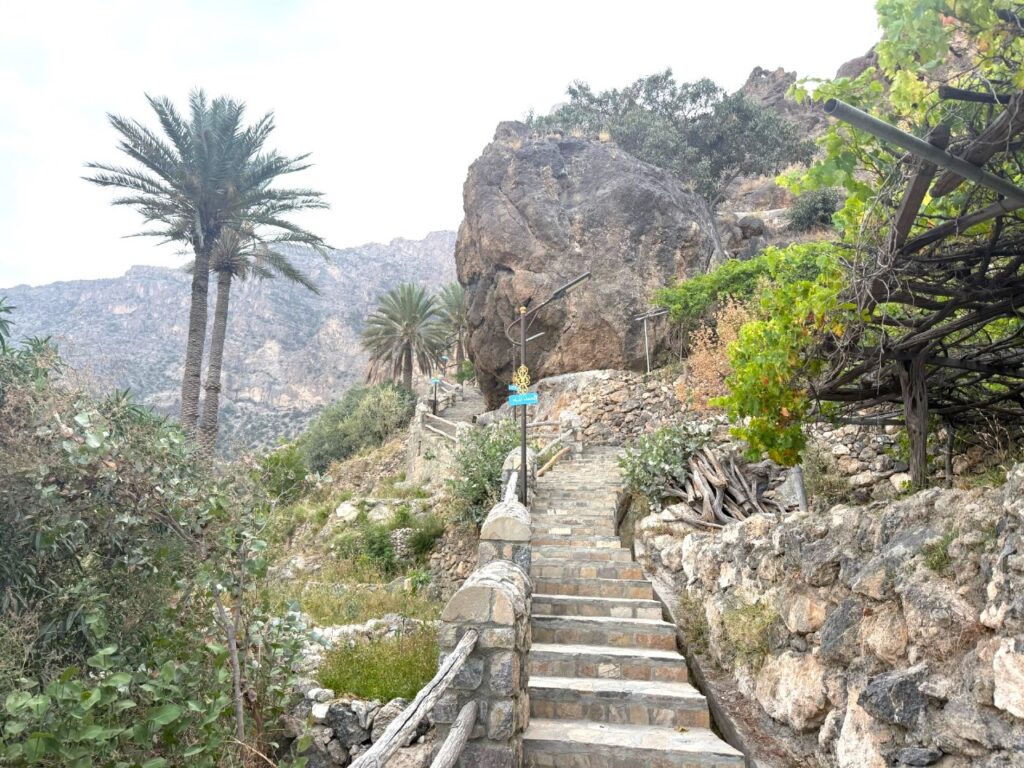
The village’s agricultural trail, a popular adventure route, requires visitors to ascend more than 600 stone steps, leading to breathtaking vistas and ancient landmarks, including a historic mosque and preserved traditional architecture.
Read More
- Oman accident: Truck collision causes injuries, traffic congestion on Sultan Thuwaini bin Said Road
- Oman records highest temperature of 46.2°C
- Heavy rain and hail lash Oman’s Al Buraimi, triggering wadi flows
- Honourable Lady visits Omani Women’s Association in Salalah
- Oman Foreign Minister holds talks with Tunisia, Brunei on bilateral ties and global developments
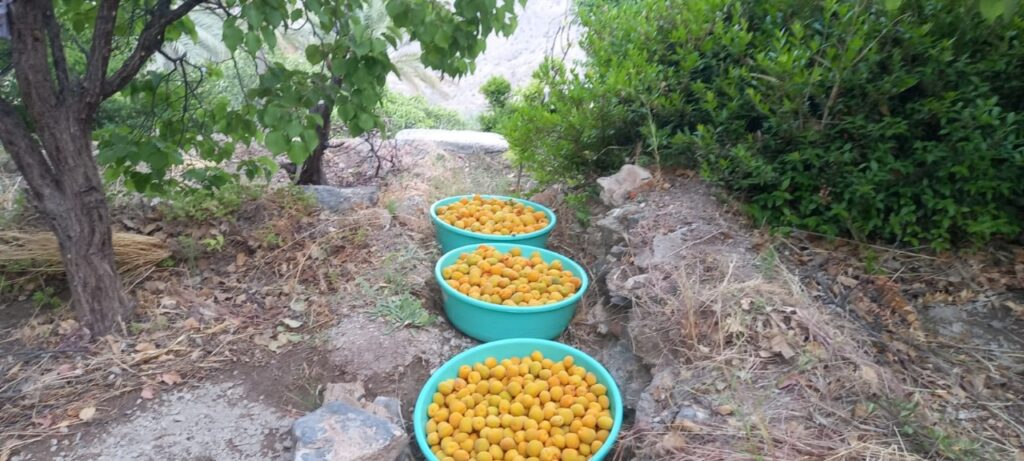
Currently, farmers in Wakan are beginning the apricot harvest, a key seasonal event. Prices for apricots range from RO 2 to RO 3 per kilogramme, depending on variety and quality. The apricot crop represents a vital source of income for the village’s residents.
Tourism in Wakan is distinctly seasonal, with international visitors arriving in winter, particularly from Gulf Cooperation Council (GCC) countries, while local tourism peaks in summer, aligning with fruit harvests and the village’s pleasant weather.





