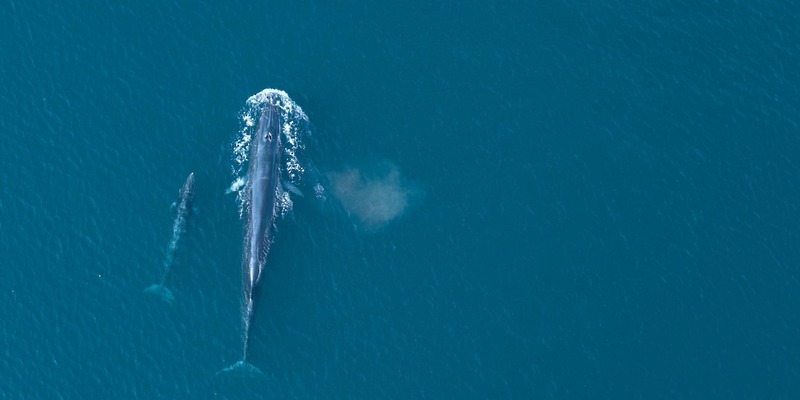
Muscat – The sighting was made during the ongoing marine Mammal Species Survey Project, which began in 2023 and has progressed through five distinct phases.
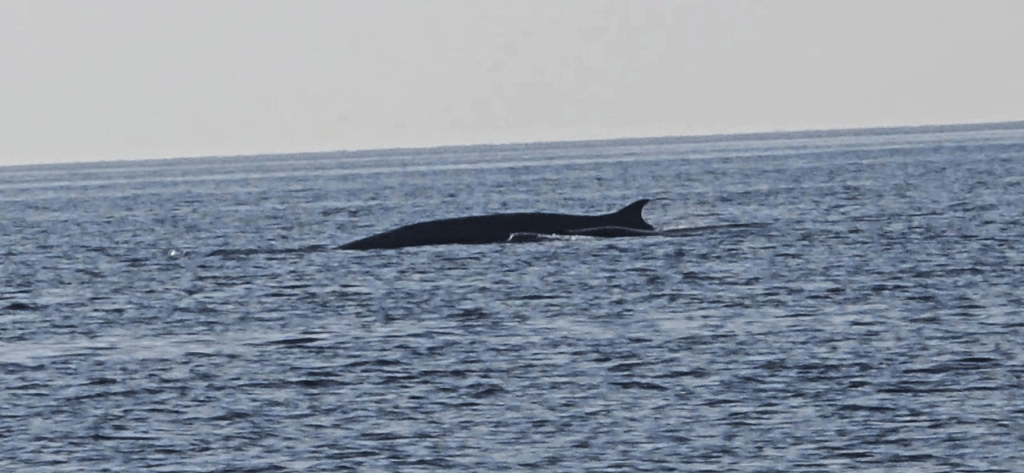
Aida bint Khalaf Al Jabri, project leader, described the sighting as a major development in understanding the distribution of rare or previously undocumented marine species in the region. She explained that this monitoring is an important step in understanding the spread of rare species in Musandam and underscores the importance of continuing environmental surveys to protect biodiversity in the Sultanate of Oman.
She further emphasised that the marine survey project is a pioneering national initiative, combining rigorous fieldwork and scientific analysis to build a comprehensive database of marine life in Oman’s waters. The data collected is expected to play a key role in supporting national efforts to conserve marine species and maintain the health of ocean ecosystems for future generations.
Read More
- Oman accident: Truck collision causes injuries, traffic congestion on Sultan Thuwaini bin Said Road
- Oman records highest temperature of 46.2°C
- Heavy rain and hail lash Oman’s Al Buraimi, triggering wadi flows
- Honourable Lady visits Omani Women’s Association in Salalah
- Oman Foreign Minister holds talks with Tunisia, Brunei on bilateral ties and global developments
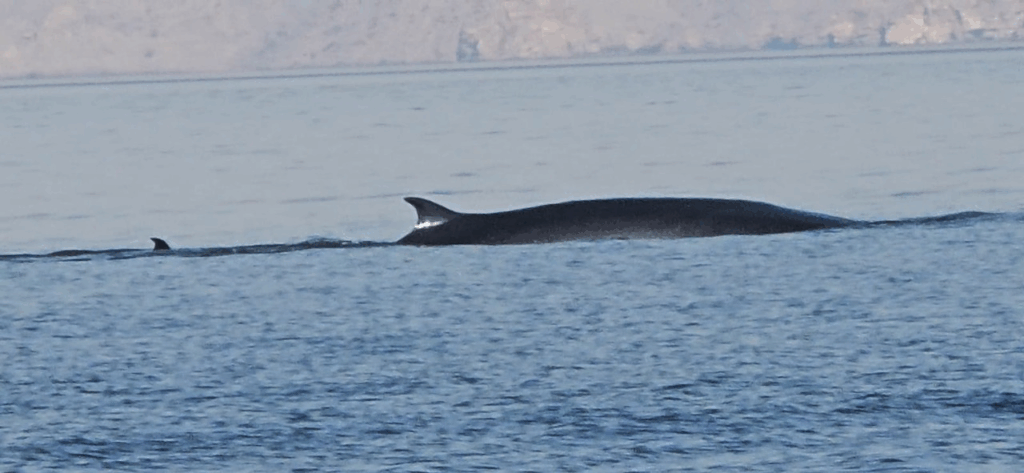
The Bryde’s whale, a medium-sized baleen whale, is known for its sleek, elongated body and distinctive three ridges on the top of its head. Typically found in warm waters, it feeds on small fish and plankton using a “surge and swallow” technique and is often seen alone or in small groups. Its elusive nature and preference for deeper offshore waters make sightings particularly rare.
Environmental experts note that the presence of Bryde’s whales serves as a sensitive biological indicator of marine ecosystem health. The species’ appearance in Musandam suggests the region may support a broader range of marine life than previously documented and highlights the need for ongoing efforts to monitor and mitigate environmental threats such as pollution and climate change.





