Muscat – The tariffs, which include a 34 percent levy on China, 20 percent on the European Union, and a minimum 10 percent on all US imports, have raised concerns about their long-term impact on trade dynamics.
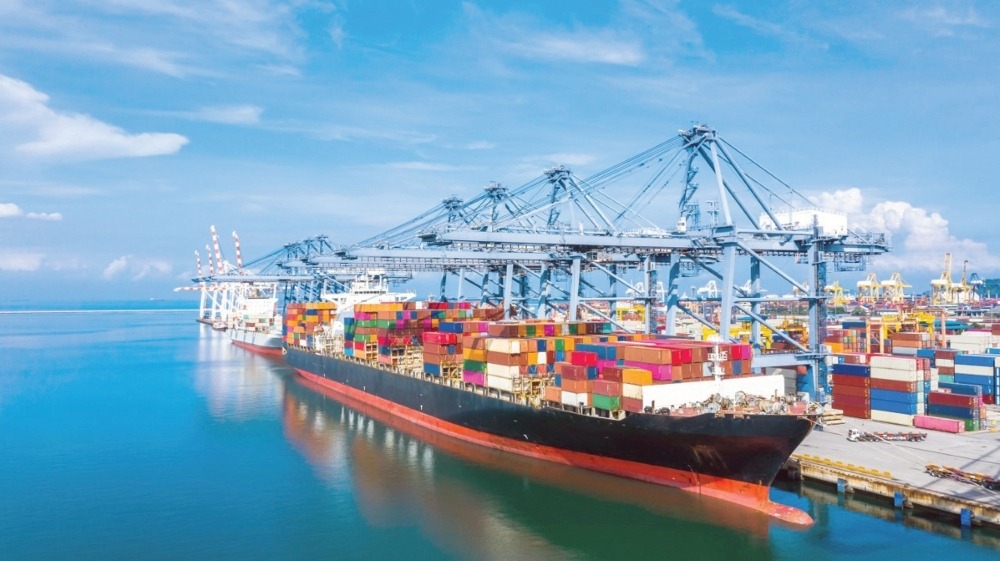
Honorable Dr. Mohammed bin Hamid Al Wardi, a member of the State Council, academic, and economic analyst, anticipates a period of significant trade fluctuations and negotiations, potentially affecting global economic growth. He noted that the tariffs would disrupt global trade, especially supply chains, leading to weaker growth. The World Trade Organization (WTO) has already forecasted a 1 percent contraction in global goods trade for 2025, attributing this to the risks of a trade war stemming from the US tariff actions.

Dr. Al Wardi also pointed out that the US tariffs will trigger currency fluctuations, especially affecting the US dollar, and create inflationary pressures, adding further uncertainty to the global economic environment. He explained that the United States is using these tariffs strategically to strengthen its position in future trade negotiations, thus opening a door for countries to respond either by imposing countermeasures or negotiating for relief.
Read More
- Saudi Airlines to launch direct Muscat-Riyadh flights from October 27
- Oman, Saudi Arabia to strengthen economic partnership at 7th coordination committee meeting
- Consumer Protection Authority seizes 1,236 non-compliant school products in Muscat
- Future Fund Oman invests RO 4 million in Maternal and Fetal Care Centre in Muscat
- Oman social protection system covers 1.56 million beneficiaries, 1.06 million expat workers

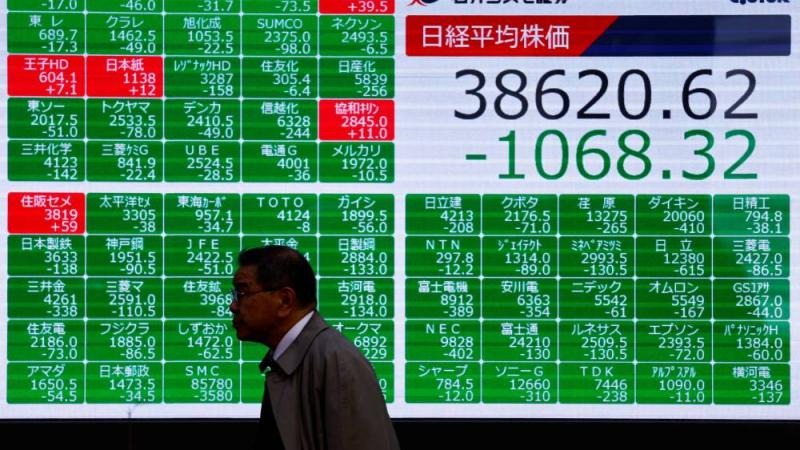
Dr. Yousef bin Hamad Al Balushi, an economic expert, echoed these concerns, noting that the primary aim of the US tariffs is to reengineer the US economy by attracting domestic investment and boosting the manufacturing and export sectors. He added that the impact of these new tariffs will be significant on the global economy, as they will lead to a decline in global demand, particularly from major economies such as China and the European Union. This will have repercussions on fuel demand from these countries, leading to a decline in oil prices. The new US tariffs and countermeasures by some countries will also impact global financial markets, with global stock exchanges suffering losses due to investor panic.
In Oman’s case, Dr. Al Balushi highlighted that while the Sultanate is part of the global supply chain and will feel some effects, especially through lower oil prices due to reduced global demand, the US tariffs on oil and gas products have exempted Oman’s exports. He pointed out that there are opportunities to increase the Sultanate of Oman’s attractiveness to foreign investment and to ease its burden on the US market, as imposing these tariffs at a rate of 10 percent is still preferable to the high rates imposed on many countries around the world, such as China and Taiwan. In the coming period, the Sultanate of Oman must intensify its marketing of its economy as an attractive investment destination.

Louay Bataineh, another economic expert, noted that the new tariffs are expected to lead to significant global disruptions, especially in the form of a contraction in international trade. He warned that higher tariffs would slow the flow of goods, particularly between the US and its major trading partners, and could trigger inflationary pressures. This, in turn, would push up import costs and lead to higher prices for consumers worldwide.
He further explained that the tariffs would likely prompt a restructuring of global supply chains, with companies moving production lines to avoid the tariffs, creating both challenges and opportunities for developing countries. Bataineh also outlined potential responses to the tariffs, including countermeasures by other countries, and emphasized that negotiation and restructuring of trade agreements, particularly free trade deals with the US, could help mitigate the impact.
The expert concluded by predicting that some countries might adopt protectionist policies or stimulus packages to support their affected industries. This could lead to a greater emphasis on regional trade, as countries seek to reduce their dependence on the US market.
In retaliation to the US tariffs, China has announced a 34 percent tariff on all imported US goods, while some EU countries are considering their own countermeasures. As a result of these developments, oil prices have dropped sharply, with a 3 percent decline observed today following a 7 percent loss last Friday, amid fears of an economic recession that could dampen demand for crude oil. Additionally, several global stock market indices have reported losses.





