Muscat: The rise was driven by increases across multiple sectors, with the highest surge seen in personal goods and services, which rose by 4.4%.
Other key categories that saw price hikes include:
Health (+3.2%)
Transportation (+2.8%)
Food and non-alcoholic beverages (+1%)
Restaurants and hotels (+0.9%)
Clothing and footwear (+0.6%)
Culture and entertainment (+0.6%)
Read More
- His Majesty Sultan Haitham returns home after state visits to China, Brunei
- Oman’s digital economy contributes 9% to GDP as investments reach RO 1.3 billion in 2025
- Muscat Municipality announces traffic diversion on Al Khuwair service road from November 4
- Oman clarifies expat recruitment rules after agency talks
- Oman police arrest two over vehicle theft, number plate tampering and resisting officers in Seeb
Meanwhile, housing, water, electricity, gas, communications, and tobacco costs remained unchanged.
Within the food and non-alcoholic beverages category, vegetables saw the biggest jump, rising 6.2%, followed by:
Milk, cheese, and eggs (+3.3%)
Sugar, jam, honey, and sweets (+2.8%)
Oils and fats (+1.2%)
On the other hand, fruit prices dropped 1.3%, while fish and seafood (-0.5%), meat (-0.4%), and non-alcoholic beverages (-0.2%) also saw slight declines.
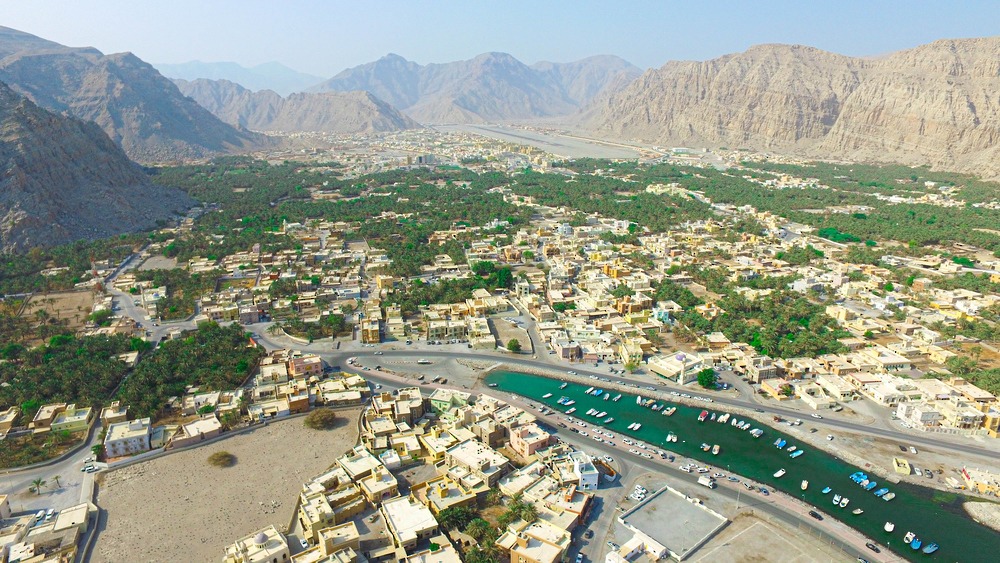
Inflation rates varied across governorates, with Musandam recording the highest rate at 1.7%, while South Al Batinah had the lowest at just 0.2%.
Other key figures included:
Al Dakhiliyah (1.5%)
South Al Sharqiyah (1.4%)
Al Wusta (1.3%)
Muscat and Dhofar (1.1%)
North Al Batinah (0.8%)
North Al Sharqiyah (0.3%)





