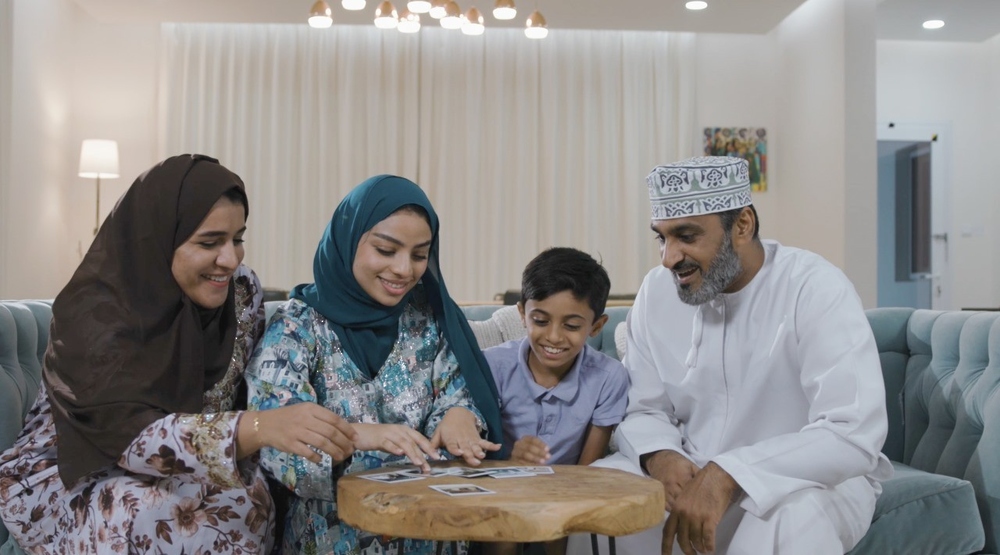

Muscat: Speaking to the Oman News Agency, they called for collaborative efforts among government bodies, educational institutions, and the media to uphold Oman’s deep-rooted values of tolerance, coexistence, and mutual respect.
In a statement emphasizing legal safeguards, Dr. Salem bin Salman Al-Shukaili, Professor of Constitutional and Administrative Law, pointed out that the Omani Basic Law of the State enshrines peace, love, and coexistence as the bedrock of the nation. “The Basic Law of the State is the supreme and highest law in the State, as it has enshrined in many of its texts these lofty and noble principles, whether political, economic, social or cultural, which are considered to guide the State’s policy, and are adhered to by public authorities and individuals, citizens and residents alike.”
He said that Article 15/2 considered solidarity and compassion as a strong bond between citizens, and strengthening national unity as a duty, and the state prevents everything that leads to division or strife, or harms national unity. Article 16/1 also emphasized building the Omani character and preserving the national identity, rooting the scientific approach in thinking, consolidating civilizational and spiritual values, and establishing the concepts of citizenship, tolerance and harmony. Article 21 of the Basic Law of the State stipulated the principle of equality among citizens without discrimination based on origin, gender, color, religion, sect or social status, while Article 34 preserved for all individuals the freedom to perform religious rituals and practice them in accordance with established customs without disrupting public order or inconsistent with morals.
Read More
- Oman, Iran agree framework for safe shipping corridor through Strait of Hormuz
- Thunderstorms, strong downdraft winds sweep parts of Oman
- Saudi Crown Prince sends written message to His Majesty Sultan Haitham
- Oman FM arrives in Tehran, discusses safe passage of ships through Strait of Hormuz
- CPA seizes 1,668 soft drinks, 177 expired juice cans in Oman
He added that public rights and duties must strike a balance as freedom of opinion and expression is guaranteed, but it remains subject to legal limits, citing Article 35. The Penal Code criminalizes any act that compromises national security or sows discord. Article 108 specifically penalizes those who promote sectarian strife or hatred.
Calling for awareness starting from the family unit, Dr. Al-Shukaili urged parents and schools to instill sound morals, especially given the prevalence of social media. He also stressed the duty of public and private media outlets to disseminate legal knowledge responsibly, ensuring that freedom is exercised within the bounds of societal values.
From a social and educational vantage point, Dr. Rajab bin Ali Al-Awisi, an expert in social and educational studies at the State Council, warned of the psychological toll that extremism takes on individuals. Intellectual and religious fanaticism poses a major challenge. According to him, it can foster a state of despair or hostility toward those with differing beliefs, highlighting the importance of proactive education. Dr Rajab highlighted that continuous review of curricula, teaching methods, and teacher-training programs to anchor learners in a social path of dialogue and open-mindedness is vital.
Dr. Al-Awisi further advocated for “preventive media presence” to steer the younger generation away from incitement or unhealthy content. He emphasized the mosque’s role and broader religious system in promoting values such as tolerance, peace, and justice. Meanwhile, the family’s responsibility, he noted, is to provide “a sustainable practice of raising children,” offering them alternatives and guidance that keep them from drifting into extremist circles.
Echoing these views, Dr Sabra bint Saif Al Harrasi, a specialist in psychological and educational counselling, described the family as “the first fortress” against deviant ideas. “Combining faith, open dialogue, and critical thinking is crucial,” she observed, stressing the importance of healthy role models who demonstrate Islamic values in daily life. She emphasized that we must teach children what to think and how to think—encouraging them to question, analyze, and consult credible sources.
According to Dr. Al Harrasi, instilling national pride and involving children in cultural and volunteer activities reinforce their sense of belonging and responsibility. She also noted the need for continuous communication and joint activities to allow families and teachers to align their values and create a unified front in raising balanced, self-assured citizens.
Reflecting Oman’s commitment to tolerance and unity, these experts unanimously called for sustained efforts to protect the younger generation from divisive ideologies.





