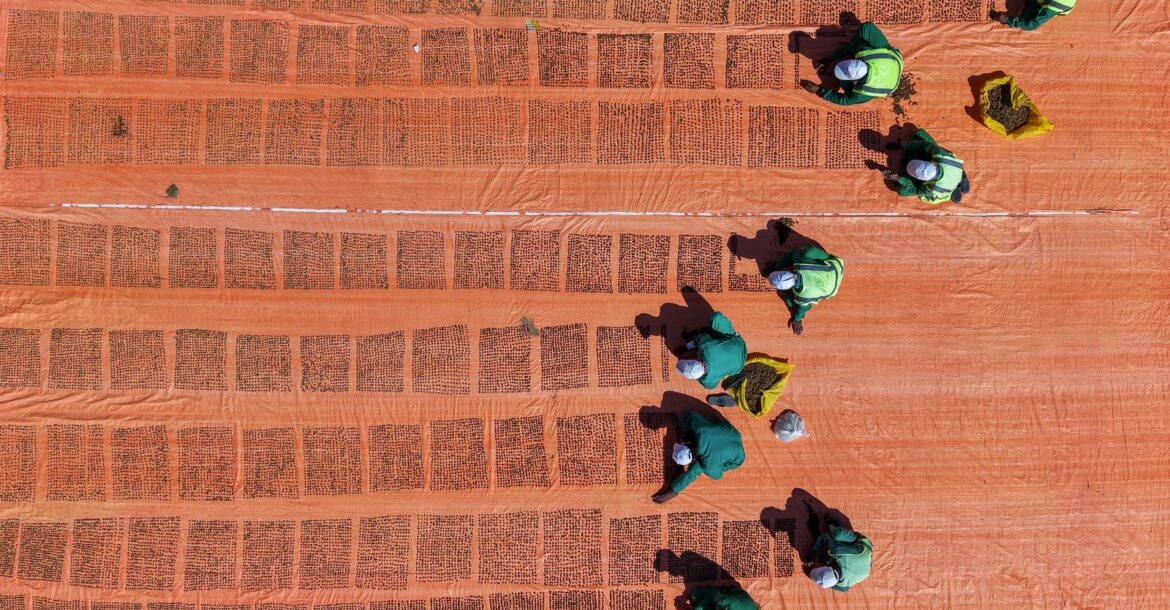

MUSCAT : The study reveals that while the average productivity of natural pastures in the Khareef region stands at 3,935 kilograms per hectare, pastures infested with Parthenium experience a drastic drop in dry mass, sometimes reaching zero, threatening the sustainability of these vital grazing lands.
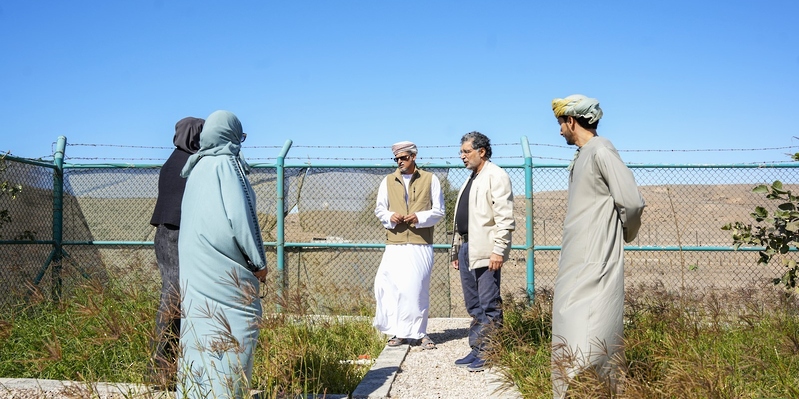
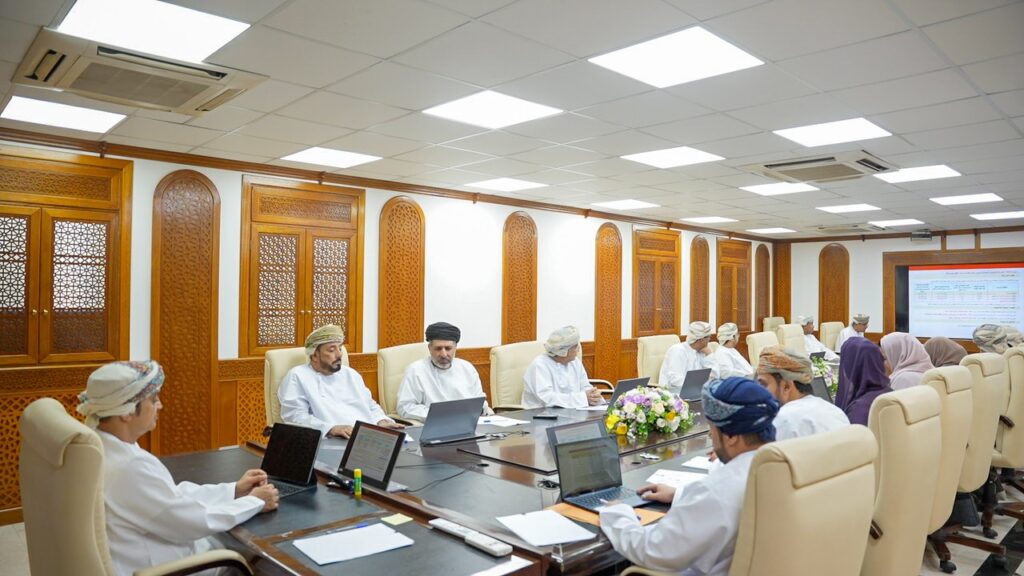
According to the research, Dhofar’s pastoral ecosystem produces approximately 208,000 tons of dry grass annually, a critical food source for livestock. However, the spread of Parthenium, coupled with early grazing, is endangering this supply, posing a severe risk to the livestock sector and local economy.
In response to this growing threat, Dhofar Municipality has intensified its control measures, with His Excellency Dr. Ahmed bin Mohsen Al Ghassani, Chairman of the Steering Committee for Dealing with Parthenium, announcing a range of initiatives:
Read More
- His Majesty Sultan Haitham returns home after state visits to China, Brunei
- Oman’s digital economy contributes 9% to GDP as investments reach RO 1.3 billion in 2025
- Muscat Municipality announces traffic diversion on Al Khuwair service road from November 4
- Oman clarifies expat recruitment rules after agency talks
- Oman police arrest two over vehicle theft, number plate tampering and resisting officers in Seeb
More than 40 billion seeds of perennial pastoral grasses have been sown in the past season.
68 million local trees and shrubs have been planted.
An additional 3 million seed balls have been scattered, with 10 million more planned.
2,700 tons of Parthenium have been removed in 2024, reducing its density from 120 plants per square meter in 2022 to 15 in 2024.
However, 50 high-density hotspots remain, and targeted efforts will ramp up in 2025 to curb its spread.
To tackle the issue, the committee has introduced chemical control methods, which disrupt the plant’s photosynthesis while minimizing environmental impact. Initial trials showed high effectiveness compared to physical removal, leading to their application in wild areas after thorough analysis.
Additionally, biological control studies are underway, with experts from Australia conducting insect surveys to identify natural enemies of the Parthenium plant. The research is still in its early stages and could take up to five years of laboratory testing.
In a promising development, the University of Nizwa has discovered that extracts from local herbs, “Aliye” (Themeda quadrivalvis) and “Shabdaf” (Apluda mutica), weaken the Parthenium plant, reducing its chlorophyll and stunting growth—an encouraging sign for future eco-friendly control measures.
Mohammed bin Mubarak Akaak, Deputy Head of the Field Team, confirmed that more than 4 million seed balls have been formed, while chemical treatments achieved over 99% success in eliminating Parthenium. Meanwhile, cutting methods only managed 10-20% effectiveness.
For all the latest news from Oman and GCC, follow us on Twitter, Instagram and LinkedIn, like us on Facebook and subscribe to our YouTube page, which is updated daily.





