
One evening, my wife and I sat down to watch an old Indian movie, Laila Majnu, starring the late Rishi Kapoor and Ranjeeta. The poetic dialogues and soul-stirring songs of Mohammed Rafi captivated us, and we couldn’t help but be drawn into the timeless romance of the film.
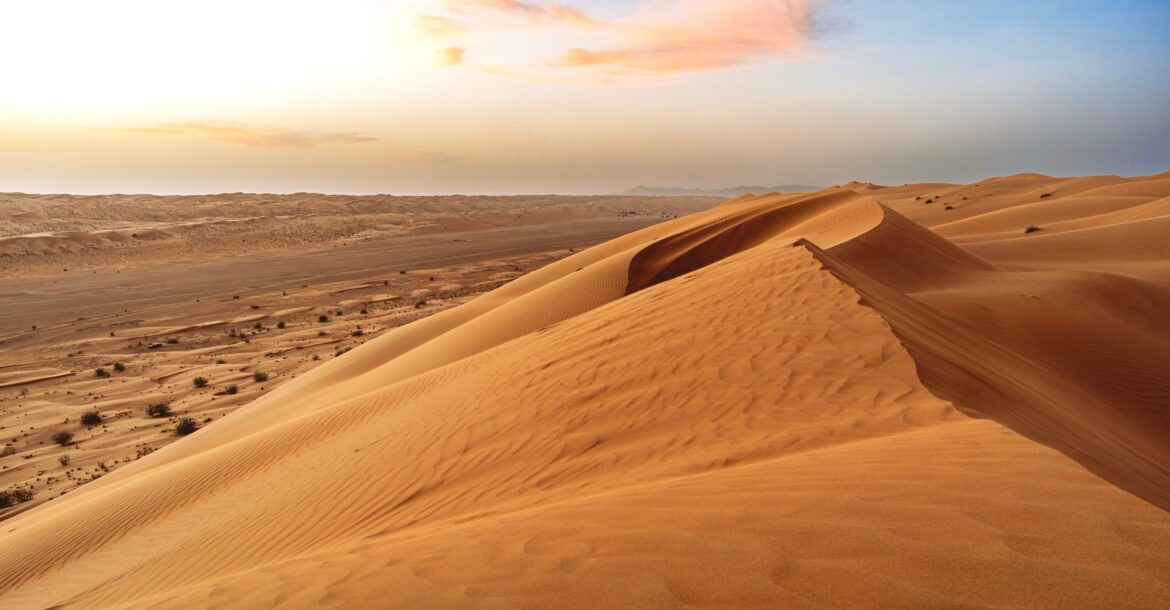
However, what struck me most were the stunning locations and the portrayal of Arab Bedouin culture. The scenes of vast sands and endless desert instantly transported me back to Bidiyah in Oman.
It had been years since I last visited Bidiyah, but the memories were vivid. Between 2004 and 2006, I had the chance to travel there multiple times for work, auditing local offices. The trips were mostly functional, we completed our tasks and returned, but the beauty of Biddiya always left a mark. It was one of those places where the desert seemed to have a life of its own.
Read More
- What Shakespeare knew about economics before economists did
- Respect is earned, not expected: Rethinking the teacher-student relationship
- Never underestimate a woman who enjoys her own company
- Rethinking schooling in the age of Artificial Intelligence
- Reeling from endless social media content? Pause the doomscroll, rewind to screen-free time
I recalled a conversation with Hamed, a colleague who accompanied me on one of those trips. “We had a good time and stayed overnight. The weather was fantastic, wasn’t it?” he said. And he was right, December in Bidiyah was something special.
The days were mild, the nights cool, and the air carried the faintest scent of frankincense and dry earth.
Recently, my elder brother visited Bidiyah with his friends. Over dinner, he shared his experience. “It’s amazing, you know,” he said, his excitement evident. “The dunes are full of life this season. We saw so many tourists, locals and foreigners alike.”
“And the sunsets?” I asked. He smiled. “Unbelievable. We climbed to the top of a dune, and as the sun dipped below the horizon, the whole desert turned into this golden sea. It’s hard to put into words, but we loved it.”
His words stirred something in me, bringing back my own experiences. I remembered how Saeed, our guide during one trip, welcomed us to Bidiyah with a wide smile. “You’re here at the perfect time,” he had said, gesturing to the endless dunes. “The desert is gentle in December.”
One night, after we’d wrapped up our audit tasks, Saeed offered to take us to a Bedouin camp. We were hesitant at first, but his enthusiasm was infectious. “Trust me,” he said. “You’ll see a different side of the desert.”
When we arrived, the Bedouins welcomed us warmly. An elderly man handed us cups of steaming qahwa, fragrant with cardamom, along with dates that seemed to melt in the mouth. “This is how we greet our guests,” he said. “Coffee and dates bring people closer.”
I vividly recall an elder of the camp sharing stories about life in the desert. “The desert is our home,” he said, his voice deep and steady. “It teaches us patience and resilience. And these camels” he pointed to a group resting nearby, “—are more than animals. They’re family.”
Later, we climbed a high dune to watch the sunset. The view was breathtaking, the sky blazed with hues of orange and pink, casting long shadows across the golden sands. Saeed, stood beside me and said, “Every sunset here is different. It’s like the desert is painting its own masterpiece.”
Those moments, small yet profound, remained etched in my memory. Bidiyah was more than just a place to work or visit; it was a glimpse into a way of life rooted in simplicity and connection. The desert, with its quiet beauty, had a way of humbling and inspiring you at the same time.
As the credits rolled on Laila Majnu, I turned to my wife. “We should visit Bidiyah again someday,” I said. “It’s not just the desert, it’s the people, the stories, and the magic of it all.” She nodded, a smile playing on her lips. Perhaps it was time to revisit the golden sands, this time not for duty, but for the sheer joy of it





