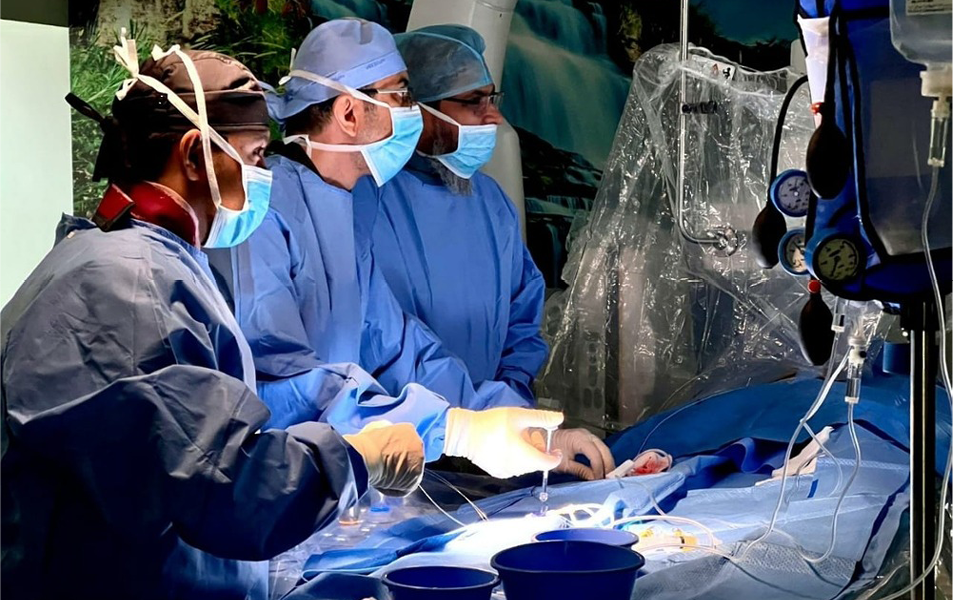

Muscat – These procedures utilised modern medical devices as an alternative to traditional open surgical procedures, marking a significant advancement in the treatment of aneurysms, offering patients a safer and more efficient option for care.
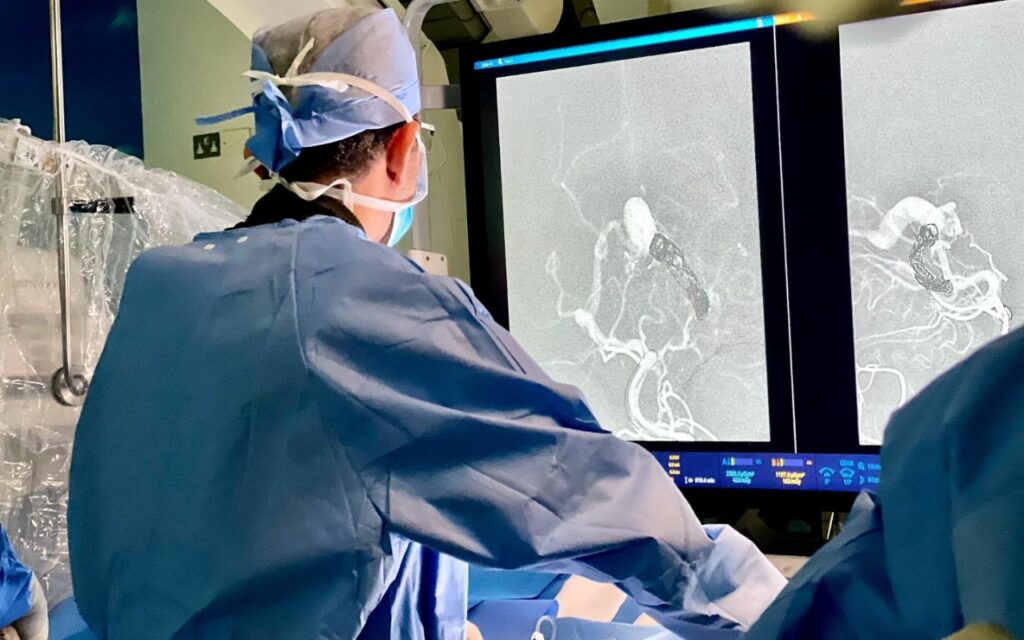
Dr. Ahmed bin Hamoud Al Habsi, Consultant Neuro-Interventional Radiologist at Khoula Hospital, explained that the newly introduced devices offer several benefits over traditional methods. These include ease of use, high precision in guiding treatment, and reduced risks typically associated with open surgery. Additionally, the advanced technology eliminates the need for blood-thinning medications during stent procedures, thus reducing potential complications.
He pointed out that the new devices treat the entire aneurysm at its neck, which allows the possibility of treating a wider range of cases of cerebral aneurysms, whether haemorrhagic or non-haemorrhagic. He further noted that the team plans to treat 20 additional cases over the next two years.
Dr. Rashid bin Mohammed Al Alawi, Director General of Khoula Hospital, highlighted the significance of this achievement, noting that it represents a major step forward in providing specialized medical care in accordance with the latest international standards. He emphasized that these advancements not only enhance Khoula Hospital’s position as a leading center for complex medical treatments but also signal a transformative shift in Oman’s healthcare sector.
Read More
- Oman lays foundation stone for genome centre costing more than RO 4.2 million
- Nearly 60% of high blood pressure cases go undiagnosed, Oxford study finds
- ADHD: An emerging discussion on a shared disorder
- Matcha Mania: Is the green drink really as healthy as it seems?
- Oman marks World Health Day, highlights commitment to health innovation and digital transformation





