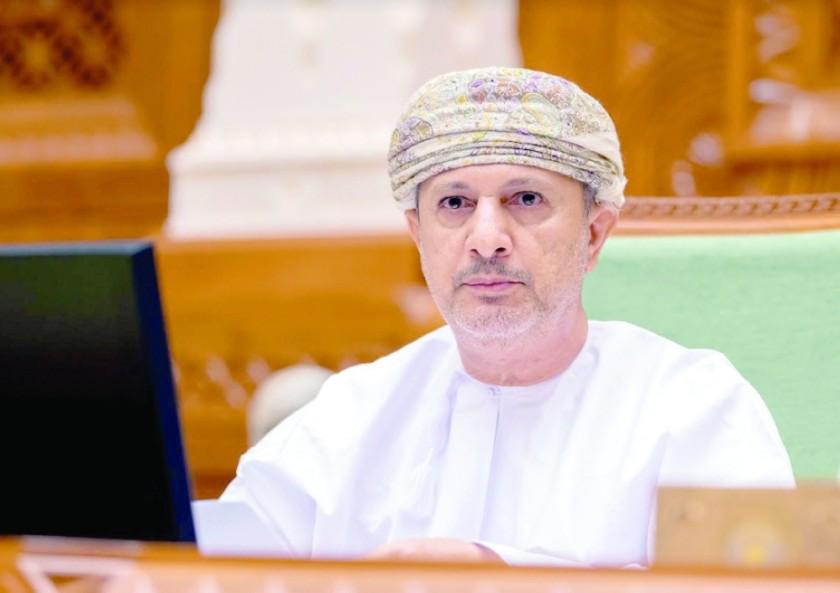

MUSCAT: The announcement was made during the media briefing on the 2025 state general budget last Thursday.
His Excellency explained in the media meeting for the state’s general budget for the year 2025 last Thursday that diversifying revenues represented a major turning point within the plan, as the Sultanate relied on oil to finance the general budget at more than $100 per barrel to cover expenses.
Highlighting the transformation, he noted that the Sultanate now covers its budgetary expenses at $68 per barrel of oil, compared to the previous reliance on $100 per barrel. Oil’s contribution to financing the budget has dropped to 52%, with taxes, fees, and other revenues making up 32%. Tax revenues alone amounted to RO 1.4 billion, derived from corporate income tax, value-added tax (VAT), selective tax, and other fees.
Read More
- 17 expats arrested in Khasab and Dibba for illegal entry into Oman
- Expat arrested in Oman’s Al Dhahirah oil concession area for illegal tobacco trafficking
- Oman appeal court overturns Sohar Flour Mills bankruptcy ruling, records settlement
- Oman reduces prices of 290 medicines by up to 88%, easing costs for patients
- Expat workers in Oman welcome savings scheme, citing concerns over unpaid gratuity
The 2025 budget emphasizes reducing reliance on oil, allocating resources to job creation and training programs for Omanis in the private sector. His Excellency expressed optimism about oil prices averaging above $70 per barrel, potentially eliminating the projected deficit of RO 620 million, based on conservative estimates of $60 per barrel.
Harnessing financial surpluses to stimulate the non-oil economy and tackle unemployment challenges is a priority. Experts, including Dr. Khalid bin Saeed Al Amri, Chairman of the Omani Economic Association, praised the budget’s approach to balancing economic diversification and social support.
Dr. Al Amri highlighted the allocation of RO 5 billion for social services, covering education, healthcare, and infrastructure projects, including 22 new government schools and multiple health institutions. While oil and gas revenues still constitute over 70% of total revenues—estimated at RO 11.18 billion—the budget reflects a commitment to reducing public debt and fostering economic resilience.





