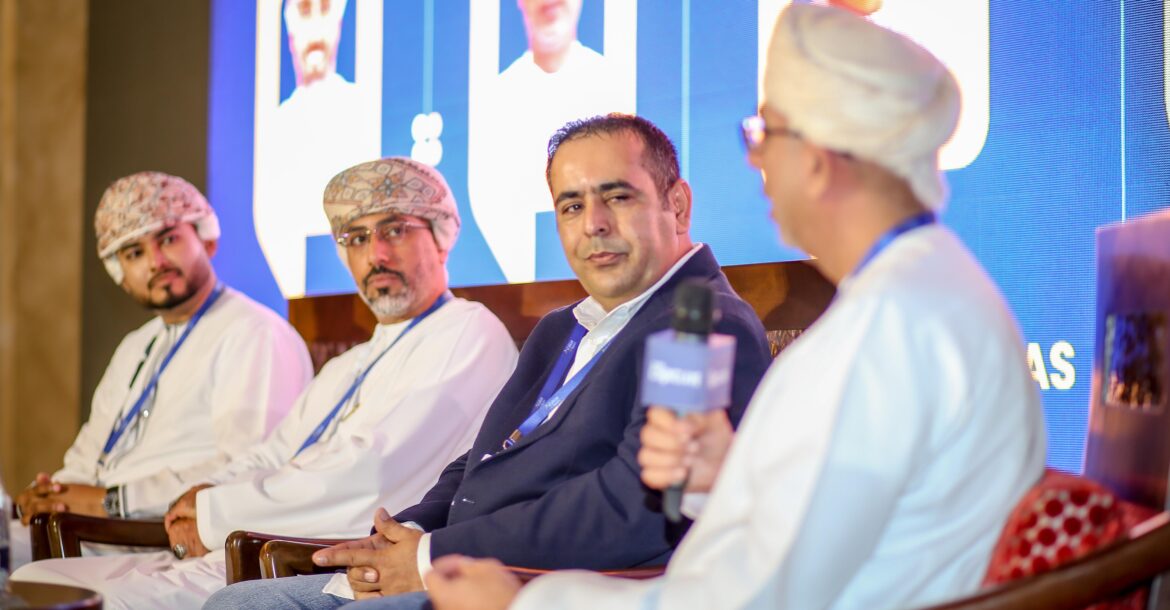

Muscat: Held under the theme “Time of Transformation,” this year’s event facilitated meaningful dialogues on topics shaping Oman’s future, including investments, sustainability, technology, and the growth of local talent.
A standout feature of this year’s conclave was the “Future of SMEs in Oman” panel discussion, which delved into challenges and opportunities for the nation’s 140,000+ registered small and medium enterprises. Panelists shared actionable insights on how SMEs can drive Oman’s economic development while navigating an evolving global landscape.
Said Al Busaidi, Head of Marketing and Corporate Communications at Bank Dhofar, having been a key part of the development of many SMEs in Oman, emphasized the importance of diversification and how having the right goal alone is insufficient to make it big as an SME.
Read More
- Oil explodes back above $90 as US-Iran tensions reignite
- Muscat power production rises 197% as Oman posts 4.5% overall growth
- Survey launched to track learning access and skills across Oman
- HDFC Bank CEO Sashidhar Jagdishan to retire in October after deciding against reappointment
- RO 45 million Samail Hospital to bring advanced care closer to Oman’s Al Dakhiliyah
“SMEs need to open their way of thinking. Currently, many SMEs, if they have a brilliant idea and they see it growing, they just focus on one idea which might not be safe,” he said.
With a vision to think big, he emphasized, “You might just lose your brilliant idea in one second. So you need to have diversification of ideas, income and businesses to make sure that you sustain your business.”
Aankush Bhatia, Founder & CEO of Kitchenomiks, a significant player in the F&B sector and one of the pioneers of cloud kitchen services in Oman, championed local innovation and focused on thinking on a ground level on how to utilize local talent and cultural efforts to lead the SMEs to more success.
““We need to think local, we need to grow local. Let’s take the learnings from international markets and brands. But I think it’s high time we started to think local and build local brands and SMEs,” he said.
While technology is the way forward, human connection and associating an intimate value is pivotal.
“You still need a human connect and consumer driven approach despite the massive growth of technology. This is something every SME in Oman should follow,” he emphasized.
Dr. Aadil Thomas Alexander, Executive Director of Al Adrak Trading and Contracting LLC, highlighted the role of the circular economy and the most important steps an SME should implement to achieve their goals.
“You should encourage SMEs to be part of our circular economy. There are a lot of SMEs registered, but it’s important to give them that support system from both government and private sector to grow,” he said, speaking about the important role of funding.
Sultan Ameen Al Zadjali, Chief Executive Officer of Musalih, having built a successful business which bridges the gap in finding the right service for the apt need, talked about the importance of understanding the stages of developing an SME and identifying the role of the local workforce.
“There’s a lot of difference between big organizations and SMEs, as we have to work 24×7 and more. Finding the right workforce is not just about holding their hand but also guiding them,” he said.
With a focus on fostering local talent, he said, “We focus on ensuring we vet the quality of each of our technicians to make sure you trust our services. We build on ensuring customer service, an important aspect of our business.”
This year’s conclave successfully sparked essential conversations on investments, sustainability, technological advancements, and the focus on developing local talent—all crucial topics for the future of Oman.





