Muscat: Engineer Abdullah bin Salem Al-Hakamani, Director of the Technical Affairs Department in the Duqm SEZ, shares insights into the zone’s progress and forthcoming initiatives to create a robust investment environment.
Engineer Al-Hakamani emphasizes the strategic approach adopted by the General Authority for Special Economic Zones and Free Zones in Duqm, focusing on creating sub-plans within the overarching development blueprint. These plans are meticulously designed to cater to the diverse needs of investors, encompassing vital services like electricity, water, and specialized infrastructure to elevate the investment landscape and attract a wide range of investments.
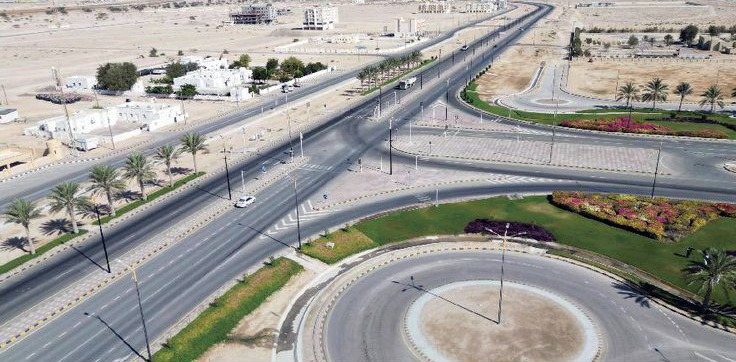
Key highlights include the successful implementation of a network of main and secondary roads spanning over 200 kilometres within the Duqm SEZ. Additionally, a tender has been issued for the construction of primary and secondary roads specifically tailored for fish industries, highlighting the zone’s commitment to sector-specific infrastructure development.
Read More
- Heavy rain and hail lash Oman’s Al Buraimi, triggering wadi flows
- Honourable Lady visits Omani Women’s Association in Salalah
- Oman Foreign Minister holds talks with Tunisia, Brunei on bilateral ties and global developments
- Oman, Kazakhstan review bilateral ties and regional developments
- Oman’s Health Ministry urges public to act on suspected unsafe food
The Duqm SEZ is also embarking on a consultative study to formulate a detailed plan for industries related to clean energy and green hydrogen, aiming to create a seamless integration between energy production and industrial operations.
Significant progress has been made in road infrastructure projects, with the awarding of tenders for main and subsidiary roads in medium and light industries plans. Furthermore, plans are underway to develop a sub-plan for green industries, signalling a proactive approach to attract environmentally conscious investments.
The zone’s commitment to enhancing connectivity is evident in ongoing projects such as the duplication of “National Road 32,” which includes the construction of main roads and bridges to facilitate smoother transportation within the area.
With agreements in place for clean energy projects worth over 30 billion US dollars and ambitious targets set for hydrogen production.





