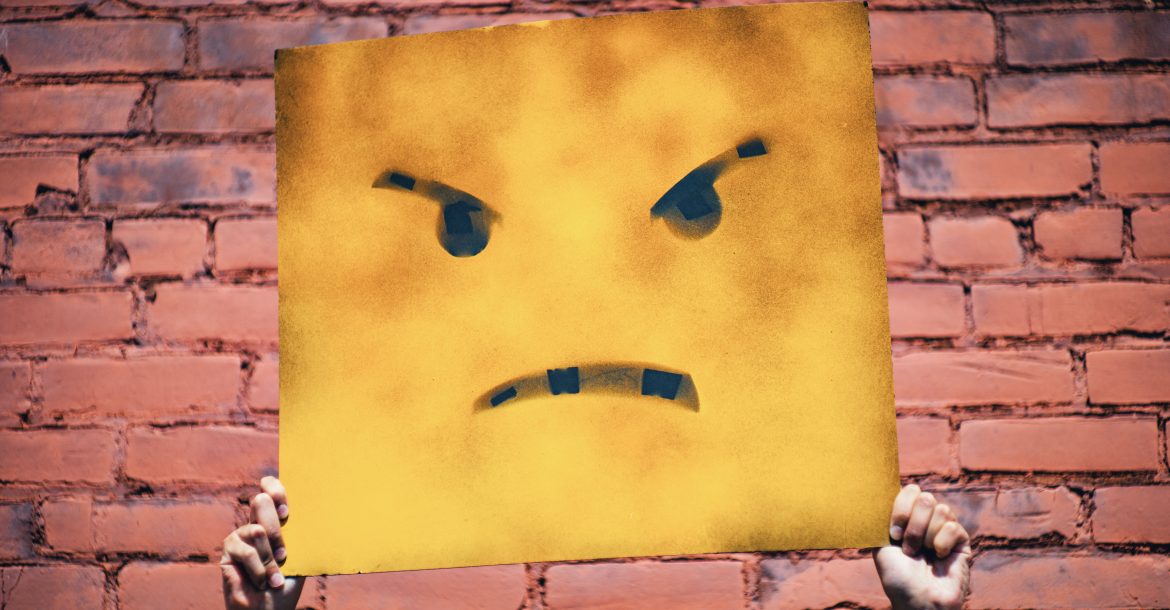

I recall reading an anecdote on anger. It was more of a humorous piece than a moral science lesson – which is how I saw it then, several eons ago; but that it stayed with me, compelling me to repeat it for want of validation, does shine the torch on the underlined message.
The anecdote goes like this:
Once upon a time (not the fairy tale variety) there lived a man who harboured anger with angry retorts, scarring insults, fisticuffs and whatnot. He was the village resident angryman. He knew not how to state his point or even respond without letting anger take over his senses/sentences. It reached a point when people turned the other way every time he crossed their paths. They refused to entertain him and stumped any attempt from him to engage them in a free conversation; for they knew the conclusion well – angry outbursts.
Read More
- What Shakespeare knew about economics before economists did
- Respect is earned, not expected: Rethinking the teacher-student relationship
- Never underestimate a woman who enjoys her own company
- Rethinking schooling in the age of Artificial Intelligence
- Reeling from endless social media content? Pause the doomscroll, rewind to screen-free time
This was pre-internet days; pre-counselling, pre-therapy…pre all days. Most specifically, pre ‘calm down’ days of today, which are more about adding fuel to the ire than an invitation to sit down and let it pass.
He had no recourse for salvation.
And then he heard a divine voice. It came from a beggar who had just got an earful for extending his palm in front of the angry man for alms.
“Man, you need to visit the sage who sits on top of that hill to cure this affliction,” he mumbled, before walking away.
Surprisingly, the angryman heeded that voice and made his way to the hilltop for a meeting with the sage. That meeting lasted several days; days spent chanting mantras to give anger a beating of its life.
The village waited for his return; to experience magic of calmness unfold before them.
Return he did, with an illusory halo of positivity.
The crowd cheered him, wished him luck as he walked by them, and he revelled in the new found attention. Until a voice from the crowd asked: “Have you really given up anger?”
“Yes”, replied the angryman, smugly.
“You mean…you really have no anger in you?”
“Correct!”
“No anger at all?”
“I just told you that.”
“Are you sure, you will never get angry?”
“Yes, yes, how many times do you want me to repeat that?”
“But how is it possible for you to stay without anger?”
“I can…”
“No anger…? Really?”
“I already said yes.”
“But, you and no anger…”
“I TOLD YOU ONCE; I AM TELLING YOU AGAIN, I AM NOT ANGRY!”
Those capital letters should suffice to infer the tone of that sentence and the anger packed in them.
What am I getting at here?
That there is almost always a trigger!
It may be self-ignited; unintentional, unwarranted, misdirected…but then all of us are susceptible to this emotion called anger. And some experts even believe it’s important to vent out; that it is a coping strategy. Which could then raise the question on repercussions: can venting out prove to be more catastrophic than cathartic?
I presume we lose sanity in those little seconds/minutes when anger flares beyond control.
Until science or motivational gurus find the elusive calm button to overcome anger and its myriad expressions, let’s just, as they say, count to ten. At a speed and pace that helps exhale out the toxins.





