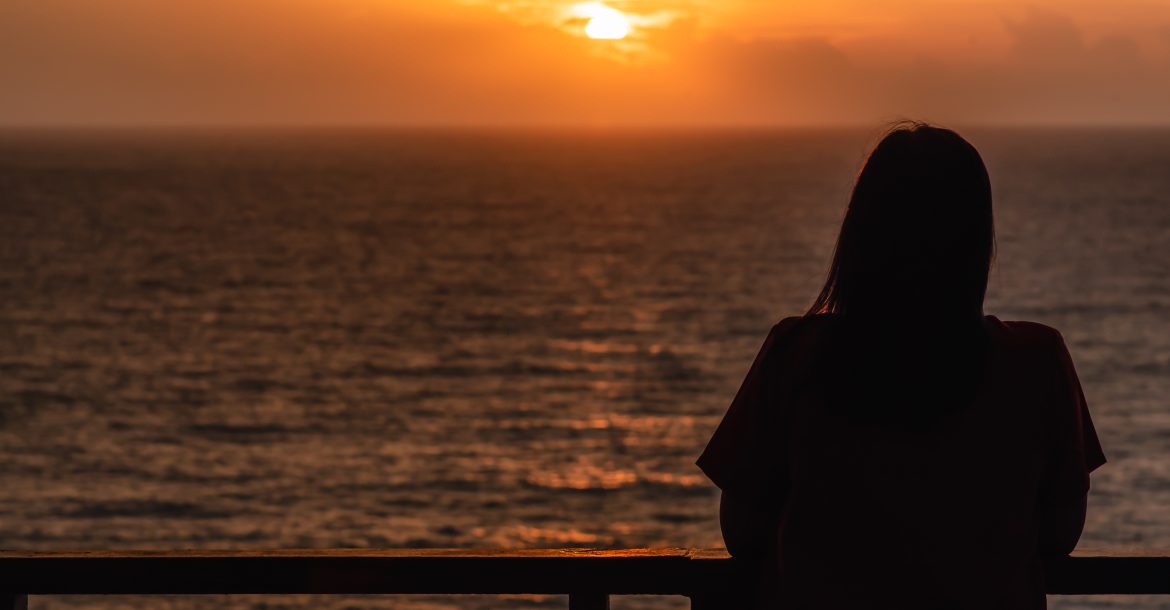

I am a mother, daughter, sister, and a dedicated professional who often has to be away from my family. In this bustling world, there are weeks and months where I experience loneliness; communicating with my loved ones back home through video calls. During these times, I often feel sad and aloof, and experience emotional pain, which casts a shadow over my mental health.
But, over a period of time, I have learned to overcome those low moods.
Yet, I’ve come to realize that I am not alone in experiencing this feeling of solitude. Coming from Kerala, where migration is a common part of life, I’ve learned that dwelling on this sense of loneliness and pain brings no gain.
Read More
- What Shakespeare knew about economics before economists did
- Respect is earned, not expected: Rethinking the teacher-student relationship
- Never underestimate a woman who enjoys her own company
- Rethinking schooling in the age of Artificial Intelligence
- Reeling from endless social media content? Pause the doomscroll, rewind to screen-free time
Recently, a friend shared an article about an artist named Yusuf Arakkal who celebrated life exuberantly, while his canvases depicted images of solitude, reflecting a brooding spirit. The solitude came from his life as an orphan. The artist’s solitary beings, immersed in the sound and fury of life, conveyed profound insights about the colors of life, even when portrayed in monochrome. This revelation taught me that being alone can be a creative experience if we detach it from a sense of aloofness and connect it with solitude. Yes, solitude is a creative journey that I’ve come to appreciate through such observations.
Discovering one’s identity while being alone opens doors to creativity, and it does not mean being cut off from the world. Instead, it leads to a world of self-realization that brightens our existence. Solitude, in its essence, holds the beauty of a highly positive experience.
Loneliness, on the other hand, is a state marked by an involuntary lack of meaningful connections with others. It causes deep social pain that persists even in the presence of people. In contrast, solitude is a conscious choice to spend time alone, using it for self-reflection or finding joy in one’s own company. It is about being present with oneself rather than merely feeling the absence of companionship. Esteemed philosophers like Aristotle, Epictetus, Montaigne, and Petrarch have extensively explored the advantages and virtues of solitude throughout history.
As I immersed myself in exploring the beauty of solitude through various works of art and writings, I realized that even when I am alone, I do not feel lonely. This newfound understanding ignited a quest within me: Can a woman live without a life partner? I’ve witnessed numerous individuals, both men and women, who lead fulfilling lives without marital bonds. Some married couples even find a way to maintain independence while cherishing their union. Life, they say, is not solely about fulfilling traditional roles; it involves embracing the organic fabric of existence and finding moments to relish solitude. Life is also about mindfulness.
Amidst the contemplation of these questions and introspective answers, I asked myself one last time, “Are you alone?”
“Yes!” I responded to myself.
“Do you enjoy solitude?”
“Yes, because it gives me time to connect with myself and discover my inner strength,” I countered.
This realization unveiled that solitude is not about seclusion or aloofness; instead, it empowers me to remain an active part of society. Within this state of being, I am not secluded or dejected. Instead, I uncover the vibrant colors of life, which grant me strength to thrive in solitude as part of my profession while also cherishing the lighter moments shared with my family across the ocean.
Reena Rahman is a writer and aviation expert.





