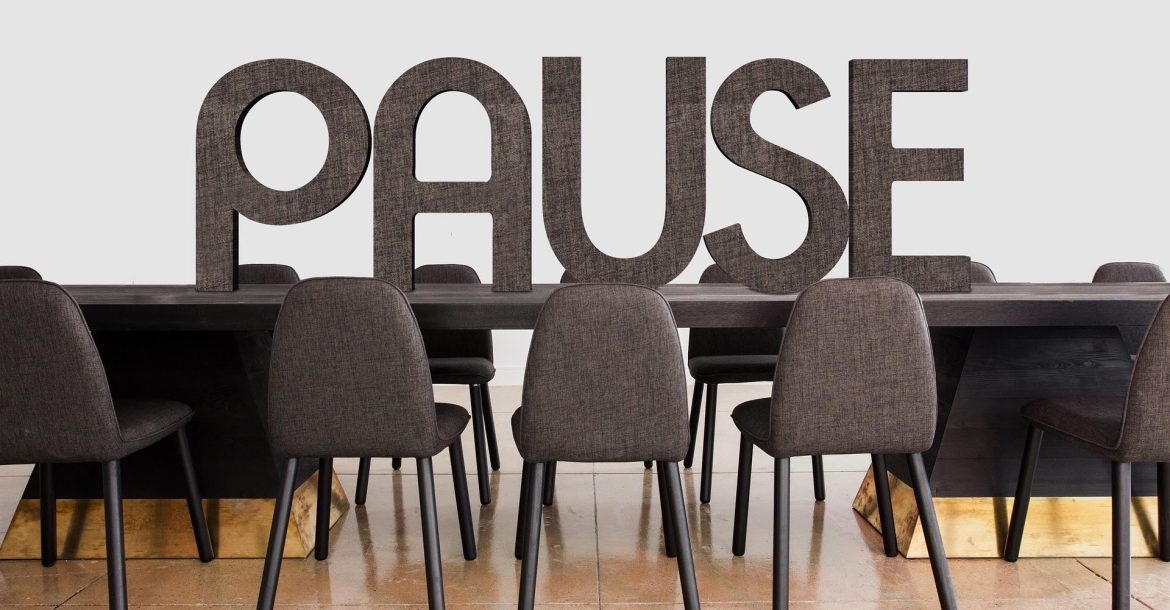

To take a cue from the clichéd ‘eat to live, not live to eat’ quote, the basic premise behind work ought to be ‘work to live’, and not ‘live to work’. Work, work and more work can be all consuming, snuffing out time for self or others. The need to be constantly occupied with some productive activity or the other is anathema for overall wellbeing.
This is precisely why most countries around the world have incorporated paid holidays into their labour laws – some more, some less. Workers in Oman have it good, as the Labour Law stipulates paid annual leave of thirty days for every calendar year – which s generous in comparison to some developed countries around the world that follow no annual leave policy.
While the pandemic helped put a break on the hectic pace of work that dominated most employees’ the world over,and introduced work from home as a feasible and equally productive option, the post pandemic days have, sadly,taken a u-turn. There is a perceptible rush to meet deadlines, fulfill targets, develop networks… There is agnawing pressure of wanting to be seen by the management while dispensing work; the looming fear of losing job at the altar of a holiday is perhaps what prevents some people from saying ‘yes’ to leaves, even when one is provided in the contract.
Read More
- Youth are the pillar of Oman’s development and future, says minister
- His Majesty Sultan Haitham issues decrees amending Council of Oman, Shura election laws
- Oman moves to ensure essential goods supply, price stability as CPA meets retailers
- 13 expats arrested for gambling in Muscat
- His Majesty Sultan Haitham expresses condolences to Jordan King over church attack
The Whys of Annual Leaves
On the grounds of productivity, it is obvious that annual leaves, whether spent in a foreign land or cocooned in one’s home, can be therapeutic after endless hours of work on the computer; long meetings, forgotten lunch breaks, rushed commuting and just following boss’s orders. Even research backs this assertion. The International Foundation of Employee Benefit Plans’ research found that availing annual leave can improve employee production by 40%, while reducing the risk of sick leave by 28%.
The whys of annual leaves are easily answerable; here is a quick take:
• It takes one away from an environment that may – or could – have been a trigger for stress/anxiety
• It helps reduce/ mitigate stress which could manifest as stomach problem, headache or general concentration problem
• Disconnecting from all things office or work can be therapeutic
• Holidays translate as quality time with family
• It helps improve personal work-life balance
• Even a week or two of time out can help recover from burgeoning stress
• It is the perfect solution to recharge that overworked brain
The Hows of Annual Leaves
Right, annual leave is an excellent remedy for all work-related ailments, but there is no guarantee that it will provide the anticipated relaxation and rejuvenation – not if work persistently intrudes every thought. The strong urge to extend a holiday to recover from a vacation just concluded could lead to more anxiety; it could imbue a sense of weariness at the prospect of rejoining work.
It is, often, the fear that thoughts of work will persist even during the break that discourages the idea of annual leave. This is common among people who obsess about work at all times – also among those who construe holidays as demanding activities. It is all the more evident among expatriates who fit all their bank chores, home renovations, family reunions and whatnot into the month-long holiday. Annual leave then becomes just another responsibility of meeting set targets.
But then, there are ways to find answers to those hows of annual leaves:
• Begin by utilizing weekends for family time
• Adapt relaxation techniques to break away from the persistent work thoughts
• Making a roster to fulfill the home chores will provide enough time to relax and unwind on an annual leave
• Sparing a couple of days in the leave to get back to the normal routine before the onset of work helps
• Staycations are effective solutions to combat financial hows





