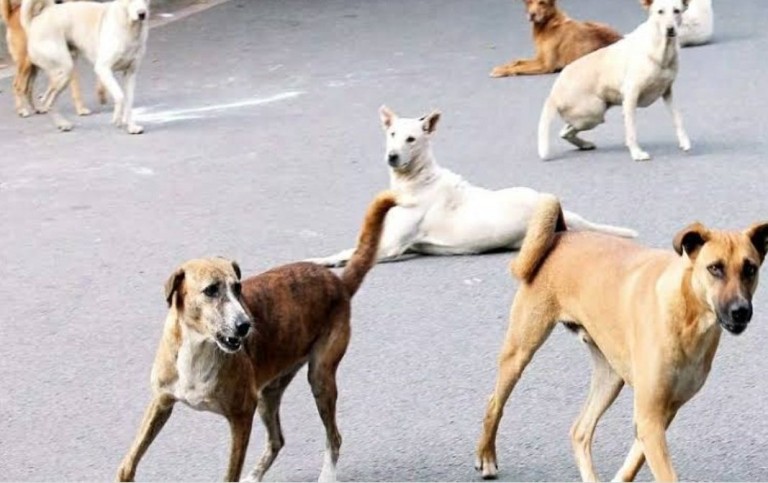

A video of a father accompanying his kids and their friends to school, with an air gun in hand, apparently to protect them from stray dogs, went viral.
The police promptly registered a case against Sameer, from Kasaragod in Kerala, who claimed he would shoot any stray dog if attacked! He said the children in his locality were scared of stepping out after one of them was bitten by a stray dog, and he wanted to ensure the protection of his children.
For a moment, forget the legality and let the law take its course. But the man with the air gun reflected a general concern that is haunting Kerala today – the stray dog menace and the anxiety regarding the safety of the people. One cannot untangle the issue that easily.
Read More
- What Shakespeare knew about economics before economists did
- Respect is earned, not expected: Rethinking the teacher-student relationship
- Never underestimate a woman who enjoys her own company
- Rethinking schooling in the age of Artificial Intelligence
- Reeling from endless social media content? Pause the doomscroll, rewind to screen-free time
Should dogs be culled? NO! Animal rights activists, law and political leaders have more or less echoed the same voice, as it is cruelty. So culling to prevent the menace is not practical.
Even animal birth control measures are not well received in Kerala. In other Indian states, too, it back-fired. In 1994 in Gujarat state, the plague returned to the city of Surat.
Though the local authorities have resumed rabies vaccination in the wake of the incidents of stray dog bites, the number of rabies infections in humans and cattle have been on the rise. The moot question is, how far will it be effective?
Here, what we need is a sustainable solution.
Agreed, animals have the right to live. However, the issue is a bit too serious because of complicated problems. How will you prevent school-going children from such attacks? What about the pedestrians? The two-wheeler riders who meet with accidents due to the stray dogs that cross their path? Nobody has any concrete answer.
If you are bitten by dogs, how can you be sure that the vaccine would prevent them from the infection? There were reports that rabies-vaccinated people have died.
One reason for the stray dog menace, cited by everyone – is the poor way Keralites manage their waste, particularly the food waste.
Yes, there are umpteen campaigns for disposing of waste at the source, but one can witness heaps of wastes on every street corner of urban Kerala. There you see the street dogs fighting against each other and also chasing the people around. One aspect that changed the character trait of the dogs in recent times is probably the dumping of poultry waste. It is well-known that stray dogs that taste raw meat would become more aggressive.
From the hotels to the meat shops, dump waste in public places and even on river banks, thus attracting the dogs. Ironically, this happens in progressive Kerala.
Why do we not have a system to collect organic waste from everywhere and process it to manufacture fertilizer? Why should we create Himalayan heaps of food waste, thus causing all these issues?
Also, we should have mobile clinics in every local body to test the pets to ensure they are safe from infection. Then, there should be proper rehabilitation spaces for stray animals. Even voluntary organizations can take part in stray animal care.
There should be a balanced approach while considering the care of stray animals to minimise the man-animal conflict.
As the incidents of stray dog attacks are on the rise(reports say at least 14 people died of rabies in Kerala till July), the authorities have to take a proactive measure to handle the menace effectively and ensure the efficacy of the vaccine.
About the Author: Reena Rahman is the Chief Executive Officer of Khartoum-based Sun Air.





