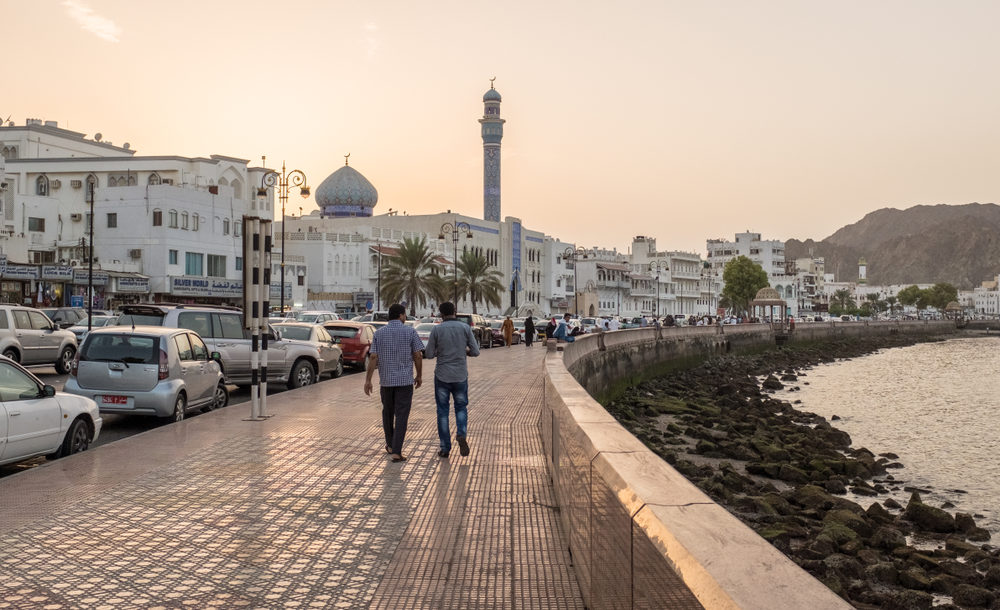

I call this Eid the first Eid after COVID-19 because we didn’t celebrate it the way we used to. A warm and joyful Eid to all, and I hope we will regain the same taste for it as we lost because of COVID-19.
Throughout the world, Eid ul Fitr is celebrated in a similar fashion, whether in Oman or elsewhere. Muslims gather early in the morning on Eid Day to offer Eid prayers in outdoor locations and mosques. Most of the women prepare food by cooking “areesa and siwi” at home.
After Eid prayers, most Muslims scatter to visit friends and family, give gifts (especially to children), and make phone calls to distant relatives to wish them well on the special occasion. These activities take place for three days.
Read More
- Before MBAs and marketing: Timeless business lessons from Prophet Mohammed
- What Shakespeare knew about economics before economists did
- Respect is earned, not expected: Rethinking the teacher-student relationship
- Never underestimate a woman who enjoys her own company
- Rethinking schooling in the age of Artificial Intelligence
In the days before Eid, banks are busy, not for potential customers, but exchanging notes, giving new notes to customers, and taking the old ones back from them. In addition to the bazaars, the bazaars are crowded as everyone buys Eid’s stuff.
You will enjoy the Eid regardless of your age, especially if you are a child and receiving “Eidi”, like new notes, such as 100 or 500 baizes, and one of its meanings is forgiveness, you forgive those who have wronged you.
Does Eid have a different meaning? In 1994, my friend told me a story about an Indian employee who worked for one of the companies in Russail Industrial area. “God has given us untold gifts, one of which is a father. Today is Eid and I cannot see my father beside me,” a son wrote to his father, in Oman. In an ironic twist, Eid has little meaning for those who are far away from their loved ones.
Eid is a great gift from Allah, to be celebrated as a reward for fasting in Ramadan. A compassionate person would share his or her happiness or at the very least sympathize with those unable to celebrate Eid due to a variety of circumstances. Do we have such people who are unable to celebrate this Eid?
“I hope my children can see me on TV and I want to tell them that I am fine in the refugee camp,” said a Syrian mother interviewed on one of Lebanon’s TV channels. She was wearing a white scarf and looked sorry that she couldn’t give her kids Eidi as other mothers would.
We have seen that during these Eid days, some Muslim families celebrate while others cannot afford to.
“I don’t know where my siblings can be at this moment, I wish them all the best,” said a Syrian teenage boy from Jordan. Displacement is one of the reasons family members don’t see each other during such celebratory days.
There are many reasons why Eid isn’t really an Eid. However, thousands of people live in poverty on our planet; if a family cannot afford one meal of the day, can they afford to celebrate Eid?





