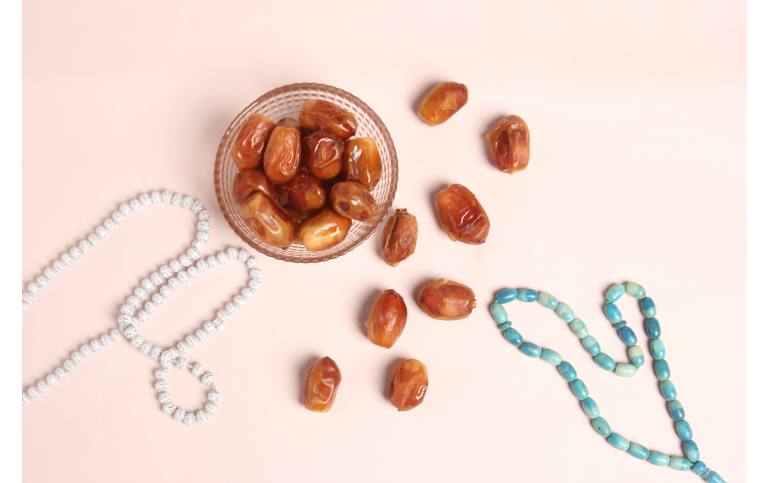

What is the holy month of Ramadan all about? It is not just about fasting. It is also about self reflection and looking to realise how fragile our life is. When we observe fasting during this holy month, when Quran was revealed to Prophet Mohammed, we are also bowing our head before humanity.
Fasting does not mean you abstain from food from sunrise to sunset and disproportionately compensate for that during the night hours. Quite often, it is observed that after the month of Ramdan many people gain weight! Paradoxical, isn’t it?
After fasting if you gain weight, means there is something wrong with the way you eat.
Read More
- What Shakespeare knew about economics before economists did
- Respect is earned, not expected: Rethinking the teacher-student relationship
- Never underestimate a woman who enjoys her own company
- Rethinking schooling in the age of Artificial Intelligence
- Reeling from endless social media content? Pause the doomscroll, rewind to screen-free time
I have seen people, who never have resources for two square meals a day, eagerly waiting outside the mosques during the evening time. No, they are not there to celebrate food, but to somehow fill their stomach because they wanted to have something to save them from starvation.
I have also seen people sitting round the dining table and devouring dishes after dishes to break their fast. The table is filled with breads, turkey, and many types of vegetarian and non-vegetarian delicacies apart from juices and other soft drinks. They eat it out and the servants stand in queue to fill the plates.
Is this your prayer to the Almighty? I have read somewhere that Prophet Muhammad never entertained excess food in his household and every night he used to dispose of anything excess, which he practiced throughout the year. But, if we celebrate excessive food in the name of the holy month, how can we claim to have any piety? How can we be the ambassadors of humanity?
I was brought up in a family where we were taught self restraint, which instilled in us a sense of simplicity and humility. When the person across the road is starving, what is the use of your prayers with an over-filled tummy? How you are expected to shed your ego if you are unable to have self-restraint over food? If you gain weight after four weeks of Ramadan fasting, definitely there is something wrong about the way you manage yourself.
I always remember what Mahatma Gandhi said, “There are people in the world so hungry, that God cannot appear to them except in the form of bread.” But after a heavy dinner at night, if you wake up early in the morning and fill your tummy with another round of feast, what on earth are you doing in the name of your religious faith?
I have read of the rich-poor divide in many developed and developing nations. I have seen such people who dream of having something delicious for their kids but end up getting dry kuboos or rotis. If you are not able to part with a portion of your sumptuous meal, how you are expected to be a human being with piety?
I have often noticed that many families waste the food they cooked because of the disproportionate quantity. Food that goes stale in your kitchen when the people next door are fighting their hunger is the biggest sin before the Almighty.
Whenever I fast, I often remember a simple story by Leo Tolstoy “Where Love Is, God Is”. The story of a shoemaker named Martin Avdeitch, this story tells about the values that a poor man maintained throughout his life by sharing his food and clothes.
If you prepare huge quantity of food and throw it away, if your wardrobe is full of clothes that you do not want, but your neighbour is still trying hard to cover his/her body as they have no proper clothing, how do you expected to be in the proximity of God?
Dear friend, as we are about to observe yet another holy month of fasting, some random thoughts entered my mind! There are lessons that we have to learn from the life of the Prophet as far as food habits are concerned. Do not criticize the food given to you. Also, eat modestly.
“Nothing is worse than a person who fills his stomach. It should be enough for the son of Adam to have a few bites to satisfy his hunger. If he wishes more, it should be: One-third for his food, one-third for his liquids and one-third for his breath,” the Prophet said.
Also one should have control over the desire for food, and never be greedy in eating. Instead of over-indulgence, learn to share food with others who require it. Also, eat slowly rather than gulping it.
If you overeat when your neighbor is starving, whose door will the Almighty knock? It’s up to you to guess!





