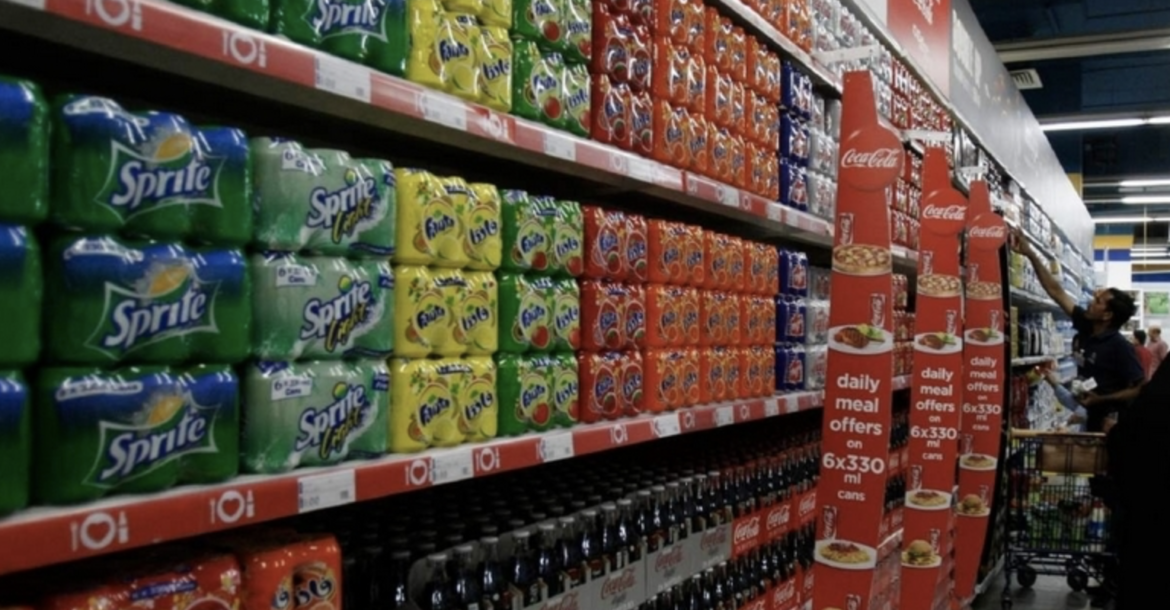

Muscat: Oman’s new ‘sin tax’ has come into effect from Saturday, June 15, following a royal decree issued by Sultan Qaboos bin Said to tax 100 per cent on tobacco, alcohol, pork and energy drinks, and 50 per cent on carbonated drinks.
What is a sin tax?
Early in March 2019, His Majesty Sultan Qaboos issued a Royal decree 23/2019 promulgating the Selective Tax Law or Sin Tax. Saudi Arabia was the first to impose the tax in June 2017, followed by the UAE and Bahrain later that same year, covering cigarettes and sugary drinks. Qatar implemented its tax in January, adding pork and alcohol. Kuwait has yet to implement any selective tax, but its excise tax law draft said the covered goods would be tobacco, and energy and soft drinks.
Why implementing sin tax is important?
Selective taxation seeks to achieve a set of objectives, the most important of which is to encourage a healthy lifestyle and curb negative practices through changes in the consumption pattern of individuals.
Read More
- Travel agency representative in Muscat jailed, agency shut for a year over cancelled trips
- Oman’s CDAA urges mountain safety after foreign national critically injured in Jabal Shams fall
- Oman’s media must adapt to AI while upholding accuracy, minister says
- Oman forecasts thunderstorms from October 25 as low-pressure trough approaches
- Oman, UK agree to deepen defence, investment and technology partnership
It is also aimed at raising additional resource for public finances, which can be used to promote health and social services.
The National Health Survey (NHS), conducted by the Ministry of Health and covered more than 9,000 people, revealed a number of risk factors affecting human health and society.
There has been an increase in the proportion of people with diabetes during the last ten years (the period from 2008 to 2018) to more than three per cent, and the survey points to the addition of more than 7,500 diabetes patients in the Sultanate annually.
The survey also revealed that 8.5 per cent of adults aged 18 years or over are currently using or smoking tobacco. Omani males are up 14 per cent and 38.6 per cent are exposed to secondhand smoke at home or at work.
Sin tax could generate $260 million
The Budget 2019 had indicated towards introducing the selective tax on certain commodities to revitalise non-oil revenues. The new taxes could generate about 100 million Omani rial ($260 million) annually, Saleh bin Said Masan, head of the economic and financial committee at the Shura Council, said in November.





