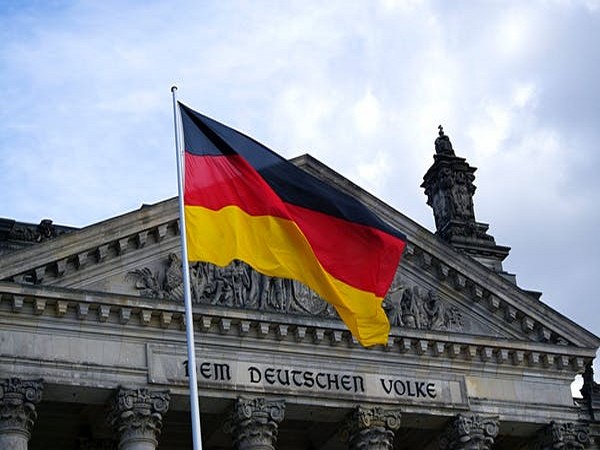

BERLIN : Germany has slipped into recession as last year’s energy price shock took its toll on consumer spending, CNN reported on Thursday (local time).
Europe’s largest economy’s output dropped 0.3 per cent in the first three months of the year, following a 0.5 per cent contraction at the end of 2022, official data showed on Thursday. The Federal Statistical Office downgraded its previous estimate of zero growth in gross domestic product (GDP) compared with the previous quarter. A recession is defined as two consecutive quarters of declining output, as per CNN.
The office said: “The persistence of high price increases continued to be a burden on the German economy at the start of the year. This was particularly reflected in household final consumption expenditure, which was down 1.2 per cent in the first quarter of 2023.”
Read More
- Qatar permanently bans 27 individuals from healthcare sector over fake certificates
- Historic solar eclipse to cross Europe as Spain awaits first total eclipse in more than a century
- Nepal: Bodies of three elite Nepali climbers killed in Broad Peak avalanche arrive in Kathmandu
- “We own it”: Trump reiterates “total control” over Strait of Hormuz
- Pakistan, Iran hold high-level talks as Hormuz crisis drags on
Claus Vistesen, chief euro-area economist at Pantheon Macroeconomics, said spending by consumers in the first quarter was crimped by “the shock in energy prices.”
European energy prices were already rising when Russia’s invasion of Ukraine in February last year sent them soaring to record highs. Moscow then went on to throttle gas supplies to European countries, prompting Germany to declare an emergency, according to CNN. (ANI)





