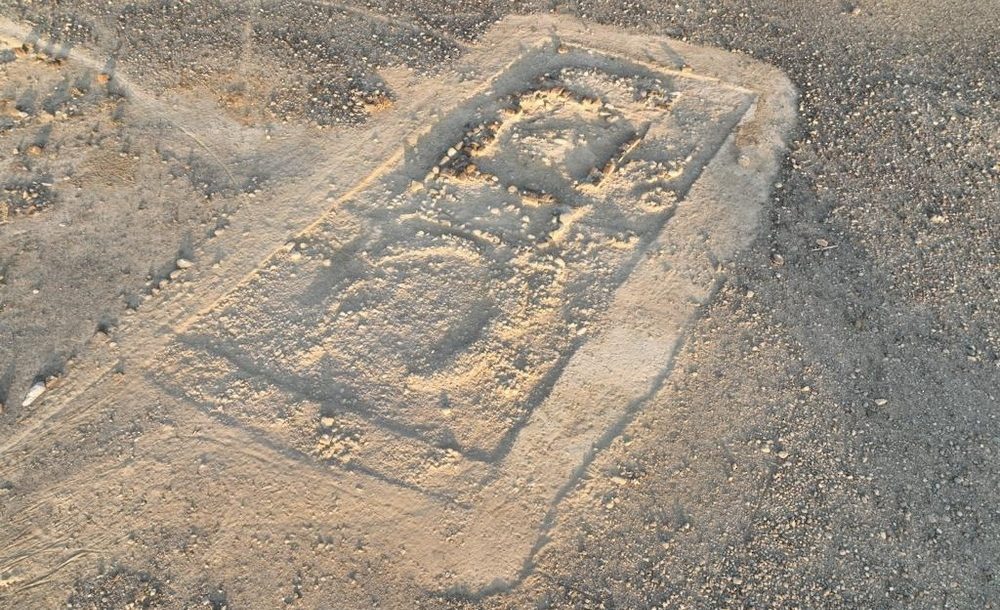

MUSCAT: Archaeological excavations at the site of Al-Taikha in the Wilayat of Rustaq uncovered a small temple inside a residential area, which indicates the presence of religious beliefs among the residents of the site. The area was distinguished by the presence of a number of circular stone terraces outside the building, in addition to a circular building adjacent to it from the western side of the temple.
All architectural attachments discovered inside and outside the temple indicate that the residents of the settlement practiced their religious rituals intensively and for a long period of the life of the settlement.
The results of the archaeological excavations also confirmed that the site of Al-Taikha in the Wilayat of Rustaq was home to a large permanent settlement dating back more than 4,500 years. It is the first to be discovered and excavated in the Al Batinah South Governorate.
The settlement includes a large number of residential houses, whose areas ranged from very large to medium and small. Archaeological excavations also revealed the presence of no less than four huge towers built of stones and mud bricks.
The archaeological mission team also excavated two tombs that were found to have been vandalized at a later stage, especially in the Iron Age, nearly two thousand years after their construction, when they were reused for other purposes.
It is worth noting that the inhabitants of the site had commercial relations with civilizations outside Oman, especially the civilization of Harba, and this was evident in the amount of pottery imported from the Indus Valley, which was found in good quantity within the excavation areas of the settlement.
Read More
- Oman authorities seize fishing vessel using banned nets, 12 expatriates detained
- 31 held in Shinas for attempting illegal entry into Oman
- Muscat Municipality announces temporary closure of Al Sahwa Park
- Temporary government employees not covered by Oman’s new promotion system
- Oman introduces dedicated committees to review government employee promotions





