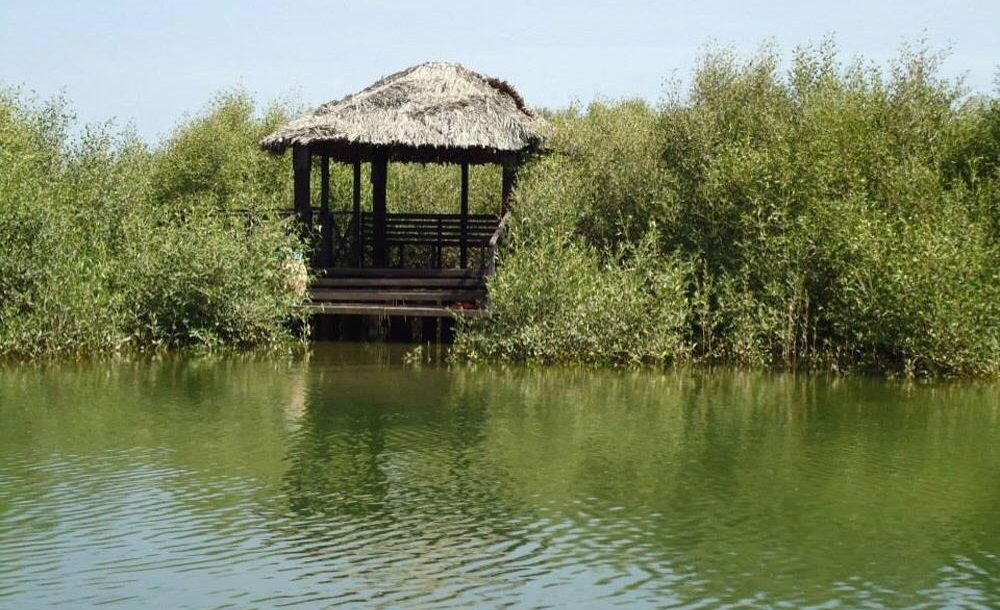

MUSCAT : Oman’s coastal wetland sites form wide extensions on its coastal strip. It is a refuge for many marine creatures and endemic and migratory birds, the most important of which is the Qurum Nature Reserve, the first nature reserve in the Sultanate of Oman.
The reserve enjoys hydrological importance, and it is a natural forest in which there is one species of natural mangrove trees (Avicenna Marina), which is the only variety that has the ability to adapt to the climatic situation of the Omani environment. The mangroves help protect the lagoons and the surrounding areas from floods, hurricanes, and erosion; they purify the atmosphere of greenhouse gases by absorbing carbon dioxide, and are a natural habitat for endemic and migratory birds.
The reserve is distinguished by the diversity of the organisms and seabirds that live in it: 27 types of crustaceans, 48 types of mollusks and 40 types of fish have been recorded, including bass fish, bass, badah, glass fish, mullet, and cannabis fish. It is frequented by migratory birds, from Africa and Russia, in addition to the endemic birds, as they are located on one of the main lines of bird migration. The number of bird species that frequent the reserve is 194 species.
Read More
- Building completion in Oman to require telecom connection certificate under new rules
- Expat arrested over theft from commercial shop in Oman’s Bahla
- Oman exempts death cases involving citizens from healthcare service fees
- New Musandam road to cut Khasab–Dibba travel to 55 minutes for commuters in Oman
- Oman Across Ages Museum welcomes one million visitors
Ecotourism in the Nature Reserve provides an opportunity for visitors to witness and learn about the unique and pure state of the biodiversity and ecological processes of the mangrove tree system, in addition to hiking and boating trips.
Highlighting the importance of Qurum Nature Reserve, Badr bin Saif Al Busaidi, Environmental Systems Specialist at the Environment Authority, said: “The Qurum Nature Reserve is the first site registered under the Ramsar Convention on Wetlands of international Importance in the Sultanate of Oman, under Royal Decree No. 64/2012. It covers a total area of 104.5775 hectares.
He also pointed out that as of October 13, 2022, the number of mangrove trees planted in 32 sites in the coastal governorates had reached 765,000, since the start of the project to rehabilitate and preserve mangrove forest environments in 2001. These sites are distributed in the governorates of Muscat, Musandam, North and South Al Batinah, South Al Sharqiah, Al Wusta and Dhofar.





