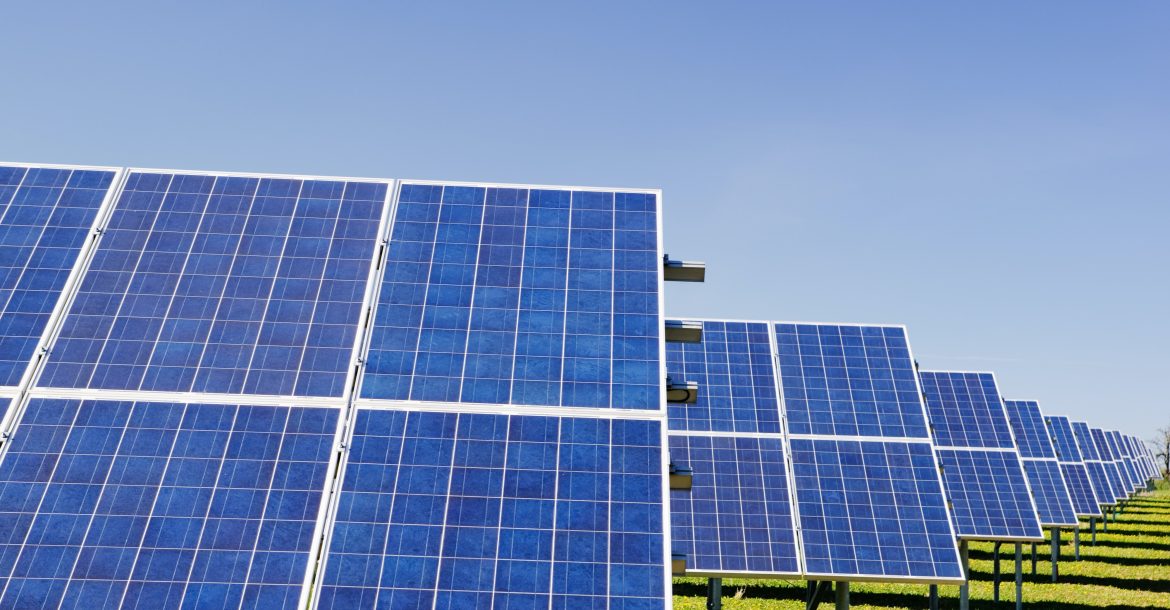

NEW DELHI: India is shining in energy transition by treading a strong renewable energy path post-2015 Paris Agreement as it witnesses a step-up in investments in solar energy. Additionally, there’s a significant slowdown in investments in thermal power plants.
The total installed renewable energy capacity in India, excluding large hydropower, has crossed the milestone of 100 GW or 100,000 MW, about 26 per cent of the total capacity, a turning point in the history of renewables as India is celebrating 75 years of Independence.
This milestone is significant as the Intergovernmental Panel on Climate Change (IPCC), in its report cited the need for urgent climate actions collectively to keep global warming under 1.5 degrees.
Read More
- Cholera surge puts millions of children at risk across Africa, UNICEF warns
- Qatar permanently bans 27 individuals from healthcare sector over fake certificates
- Historic solar eclipse to cross Europe as Spain awaits first total eclipse in more than a century
- Nepal: Bodies of three elite Nepali climbers killed in Broad Peak avalanche arrive in Kathmandu
- “We own it”: Trump reiterates “total control” over Strait of Hormuz
The global surface temperature is already about 1.1 degrees higher today than in the period 1850-1900.
Responding to the accelerated renewable proliferation of India, the only G20 nation that is on track to achieve Paris commitments, International Solar Alliance Director Ajay Mathur told that this is a huge accomplishment.
“You see India has gone from 10 GW to 100 GW in just over 15 years, from 2005 onwards. It highlights the success that is achieved with simultaneous, strengthening availability of both equity and debt, of human and organisational capacity in the solar, financial and policy sectors, and of continuously tweaking business models in light of advances in solar technologies, investments, and markets.”
The IPCC report paints an even bleaker picture of a planet at risk of seeing dramatic changes in its fundamental parameters which have made human civilisations possible, if emissions from fossil fuels and other sources are not immediately contained.
On the other hand, it also makes clear that much of the future climate is still in the hands of today’s generations, as “stringent emission reductions have immediate and sustained effects on human-caused climate change”.
India has taken several initiatives, including setting up of the International Solar Alliance, for raising the domestic renewable energy target to 450 GW by 2030 and putting in place an ambitious National Hydrogen Mission and continuing efforts to decouple its emissions from economic growth.
With the total installed renewable energy capacity exceeding 150 GW, India now stands fourth in the world in terms of installed renewable capacity, fifth in solar and fourth in wind in terms of installed capacity.
Vibhuti Garg, an Energy Economist at the Institute for Energy Economics and Financial Analysis (IEEFA), says India embarked on the energy transition journey a decade ago and has made tremendous progress.
“The feat of 100GW of renewable energy is a testimony to India’s desire to adopt sustainable energy choices. However, the road ahead needs further acceleration of these targets to help India decarbonise its energy sector. This can be achieved through advancement in technology and finance across the value chain and also providing a stable and conducive policy environment.”
India, which accounts for nine per cent of emerging market electricity demand and 20 per cent of expected demand growth, illustrates the speed and scale of change, says the latest report by Council on Energy, Environment and Water (CEEW) and the financial think tank Carbon Tracker.
From less than 20GW of solar in 2010 it has grown to 96GW of solar, wind biomass and small hydro in May 2021. Including large hydropower and renewables now provide 142GW or 37 per cent of India’s power capacity.
It says the demand for fossil fuel generation reached a plateau in 2018, and fell in 2019 and 2020. While fossil fuel demand might again increase in the near-term to meet latent electricity demand, India has demonstrated how a double leapfrog — connecting nearly all households to electricity and its renewable energy rollout — can be driven with policy priorities and market design.
According to Central Electricity Authority (CEA) projections, instead of 40 per cent, India will have 63 per cent of installed capacity from non-fossil fuel sources by 2029-30.





