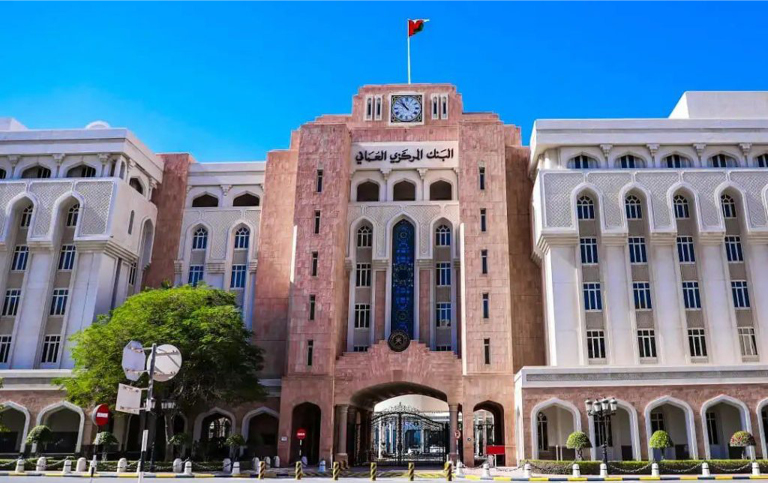

MUSCAT: While the uncertainty about the course of pandemic recovery remains elevated, the Central Bank of Oman (CBO) has expressed confidence that the country’s financial system is well poised to support the economy in absorbing any adverse shock.
Tahir Salim Abdullah Al Amri, Executive President of CBO said the economic and health impact of the COVID-19 pandemic continued to influence policymaking during the year. “We will continue to work hard to ensure that Oman’s financial stability remains intact, any impediments in accessing credit are resolved, and that banks maintain sufficient capacity to support economic diversification and sustainable economic growth,” Al Amri said in the Financial Stability Report 2021 issued by CBO.
According to Al Amri the measures taken by the government and CBO since the onset of the pandemic provided significant support to households, businesses, and financial institutions, which helped dampen the economic impact of the pandemic.
Read More
- His Majesty Sultan Haitham accorded official welcome in Brunei
- Oman expat Shaandar Bukhari shortlisted for World Police Summit ‘Good Samaritan Award’ 2026 out of 700+ global nominations
- His Majesty Sultan Haitham arrives in Brunei for state visit
- HH Sayyid Bilarab patronises promotional event for Musandam Winter Season 2026–2027
- President Xi calls deeper China-Oman ties a shared strategic choice
“Resultantly, the Omani economy and financial system weathered the pandemic quite well, and the majority of the market participants showed confidence in the Omani financial system,” Al Amri said.
During the pandemic, the robust banking sector proved to be a source of strength for the Omani economy. “Banks maintain strong capital buffers and sound asset quality. Therefore, CBO could leverage on the strength of the banking sector to support the economy,” he said.
“The support measures helped the economy steer through turbulent times and averted any crisis. However, in the long run, strong fundamentals will be the key to macroeconomic and financial stability. To that end, the government accelerated the fiscal reform process, which culminated in the approval of the Medium-Term Fiscal Plan aimed at eliminating the fiscal deficit over the medium term. The Value Added Tax was implemented in April 2021,” Al Amri pointed out.
Governance reforms by the Oman Investment Authority in the state-owned enterprises and creation of the Energy Development Oman were intended to improve public asset management.
“An early retirement scheme was introduced to reduce the public-sector wage bill. Water and electricity subsidies were rationalized, while social safety nets have been strengthened. Despite the elevated twin deficit in 2020 due to the dual shock, the ongoing fiscal reforms are expected to restore fiscal balance in the medium term,” he added.