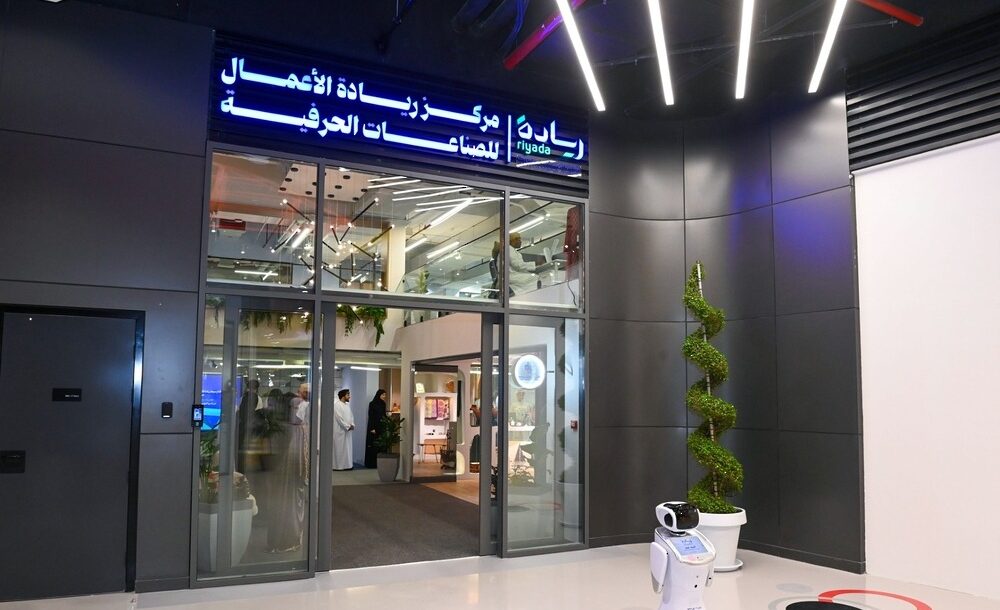

Muscat: The Small and Medium Enterprises Development Authority (Riyada) inaugurated the Entrepreneurship Centre for Specialised Handicraft Industries at Active Oman in Muscat Governorate on Tuesday, November 24, as part of efforts to promote innovation, support entrepreneurs and increase the economic value of Omani handicrafts.
The centre was inaugurated under the patronage of His Excellency Saud bin Hilal Al Busaidi, Minister of Culture, Sports and Youth, in the presence of senior officials, representatives from government and private organisations, and business owners.
The initiative aims to transform traditional and home-based handicraft activities into organised, sustainable businesses by providing artisans with access to specialised training, modern technology, product design, technical support and marketing guidance.
Read More
- Oman targets Saudi food market as 10 firms showcase products at Foodex 2026
- Mohsin Al Bahrani honoured with TAS Icons Award at 6th TAS Conclave in Oman
- School bus collision injures 15 in Oman, police say
- Siham Al Harthi wins another term on Oman Chamber board
- Oman Chamber chairman Faisal Al Rawas wins another term
Spanning approximately 636 square metres, the centre features specialised workshops for sewing and fashion design, leather goods manufacturing, and digital design and modelling. It also incorporates modern technologies and artificial intelligence applications to support product development.
The facility includes a dedicated ‘Handicraft House’ for displaying and marketing products, helping participating businesses reach customers and expand their presence in local and international markets.
Badriya bint Mohammed Al-Fouri, Director of the Handicrafts Department at Riyada, said the centre follows a structured approach to supporting promising handicraft businesses, beginning with the evaluation of project ideas and their technical and commercial readiness.
Selected businesses will receive training, technical assistance and consultancy services based on individual development plans. The programme will also assess their progress through indicators such as revenue growth, sales, business contracts, employment opportunities and expansion potential.
According to Al-Fouri, businesses can benefit from the centre’s services for one to two years under renewable annual contracts, with a maximum participation period of three years.
The centre aims to support 5 to 15 handicraft projects annually, while providing pre-incubation training to 15 to 20 participants. It will also facilitate partnerships and access to financing and investment opportunities to help emerging enterprises grow.
The initiative is expected to create new employment opportunities, strengthen the competitiveness of Omani handicraft products and encourage the adoption of innovation and technology across the sector.
The opening marks another step towards diversifying Oman’s economy by supporting small and medium enterprises, preserving traditional craftsmanship and transforming creative skills into commercially viable businesses.