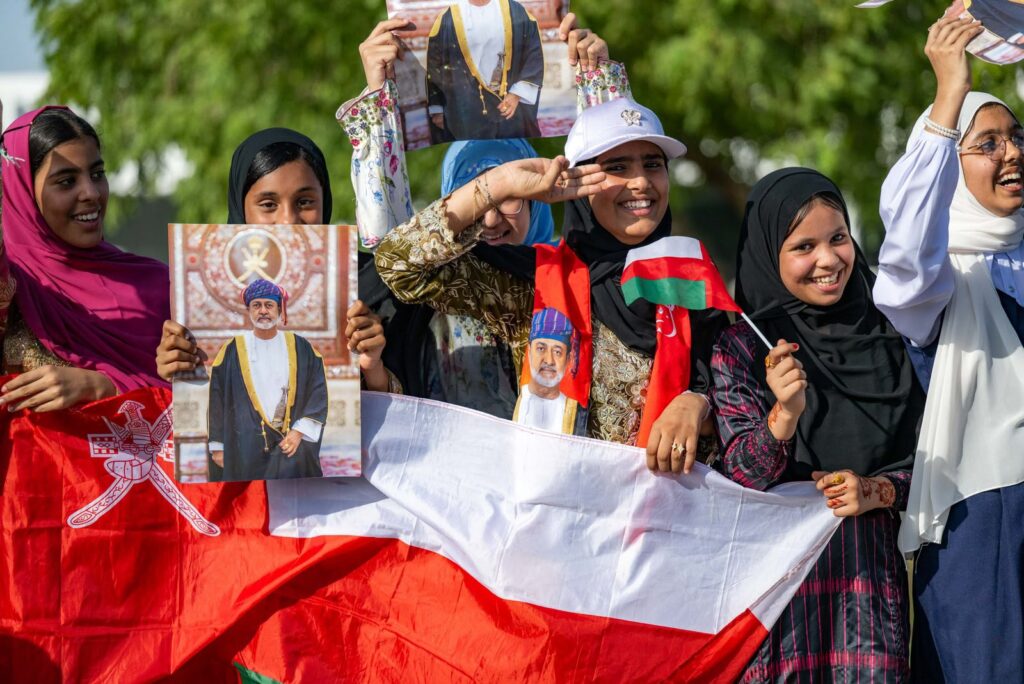
The National Day photographs I look forward to most are the ones of children holding the Omani flag. They are often the smallest people in the frame, yet they have the greatest stake in the decisions Oman makes today. By the time they finish school and begin their working lives, much of what we now discuss under Oman Vision 2040 will be part of their everyday experience. They will know what it takes to find a first job, build a business or get good healthcare close to home.
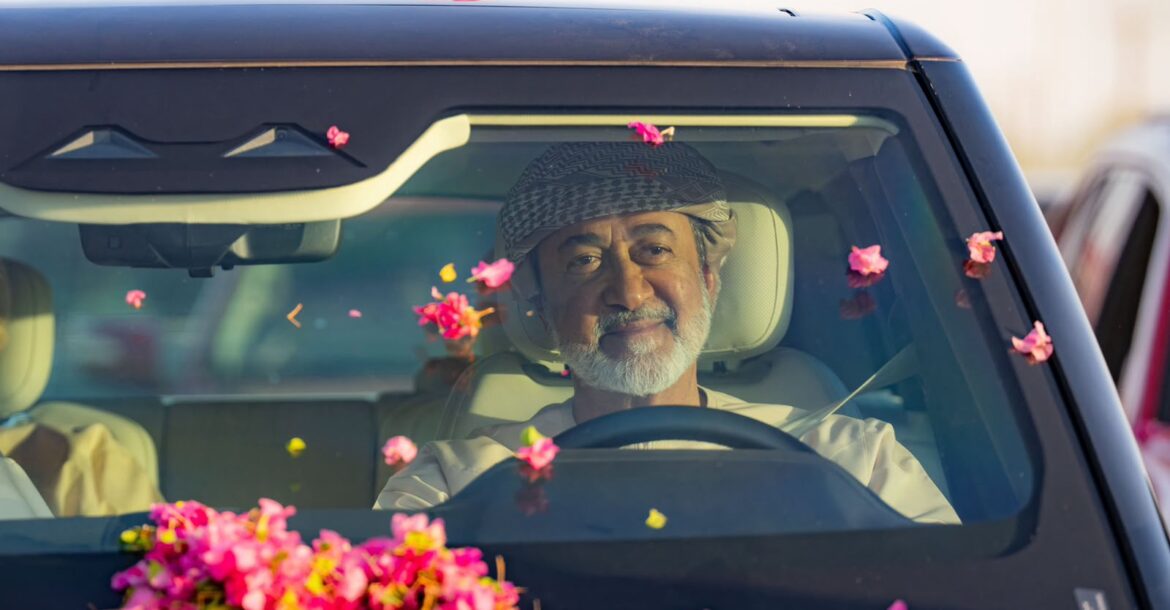
As we celebrate Oman’s National Day on November 20, I find myself thinking about what we owe those children. It is also how I have come to appreciate the leadership of His Majesty Sultan Haitham bin Tarik. He has given the country a long-term direction and set a demanding standard for those entrusted with carrying it out. The decisions we make today must improve the lives of Omanis in the years ahead.
His Majesty inherited a country transformed by the late His Majesty Sultan Qaboos bin Said, whose reign brought schools, hospitals and roads to communities across Oman. His Majesty Sultan Haitham has carried that work forward with the patience to pursue reforms whose benefits take years to emerge. Oman has reduced public debt and regained its investment-grade credit rating, giving the government more room to invest in public services and infrastructure.
Read More
- Rain falls across parts of Muscat, with showers possible in Hajar and Dhofar
- Sultan Haitham programme launched to support academic research chairs
- Oman Embassy urges citizens in Thailand to avoid renting motorcycles amid rising accidents
- Muscat Municipality announces night traffic closure of Al Khuwair service road exit until November 22
- Oman expands cultural reach, empowers youth through major initiatives in 2026
Some of those investments are already visible. The new referral hospital in Al Suwaiq has brought more care closer to families in North Al Batinah. In Duqm, a wind turbine manufacturing project points to the kinds of industries in which young Omanis could build careers. By the end of 2025, social protection programmes had reached more than 1.5 million people.
I take equal pride in the way His Majesty has carried Oman’s voice abroad. During his state visit to the United Kingdom, he expressed the conviction at the heart of our foreign policy in two sentences.
“A wise nation chooses to listen. Oman has chosen to listen.”
Those words carry particular weight at a time of deepening geopolitical tensions. As conflicts harden positions and trust between governments erodes, Oman has championed dialogue and urged restraint. Its ability to speak with countries that disagree profoundly is one of its greatest diplomatic strengths. When governments struggle to speak directly, a country trusted to listen can help bring them back to the table.
Under His Majesty, Oman has deepened its ties across the Gulf and widened its partnerships in Europe, Asia and Africa. Its foreign policy rests on respect for sovereignty, good neighbourliness and the conviction that disputes can be resolved through diplomacy. Keeping channels open, defending freedom of navigation and supporting political settlements are practical ways Oman contributes to a more peaceful world.
There is much still to do at home. Young Omanis want meaningful work and a fair chance to build a life in the places they call home. Entrepreneurs want to see an idea grow into a business that can employ others. The strength of His Majesty’s vision is that it gives us a way to judge progress in those everyday terms.
When I see those children with their flags this National Day, I will think of the country they will one day lead and the world in which they will have to lead it. His Majesty Sultan Haitham has placed their future at the centre of Oman’s work. We can honour his leadership by giving them the opportunities to shape their country and passing on the conviction that peace begins with a willingness to listen.





