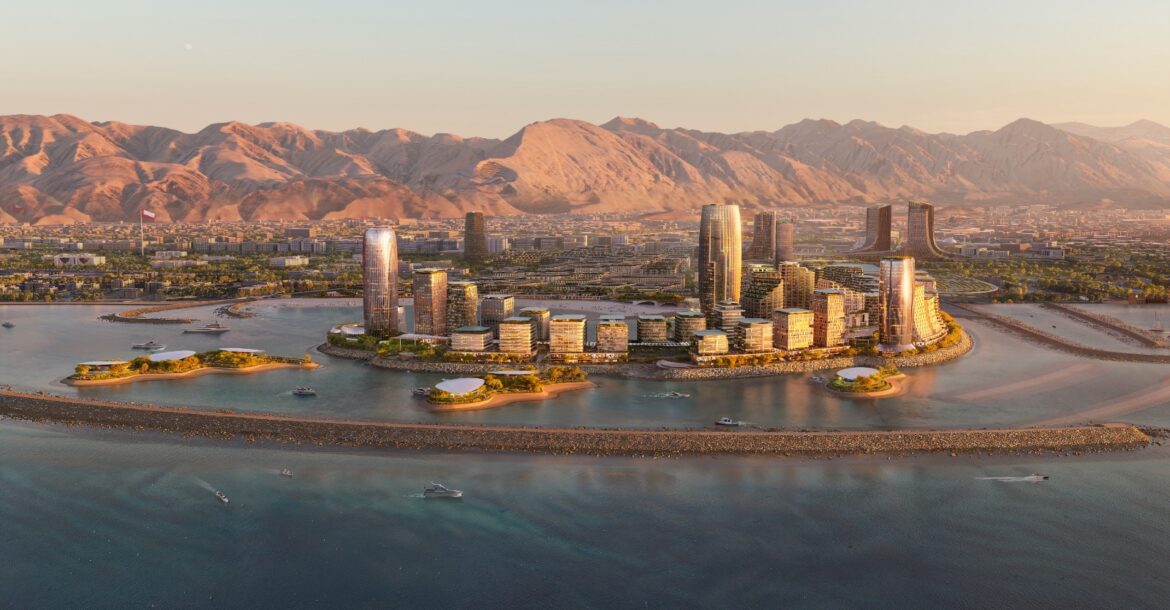

MUSCAT : Muscat Governorate is pressing ahead with a wide range of development and investment projects across its six wilayats, focusing on modern infrastructure, improved public services, tourism development and new economic opportunities.
His Highness Sayyid Bilarab bin Haitham Al Said, Minister of State and Governor of Muscat, said the projects reflect ongoing national efforts to achieve integrated and sustainable development while making the most of the governorate’s economic, urban and tourism potential.
He stressed that the success of these initiatives would be measured by their direct impact on citizens and residents, particularly through better services, improved infrastructure and greater investment opportunities.
Read More
- Oman’s Shura Council opens session with 2027 budget on agenda
- Oman’s food security sector contributes RO 1.56 billion to GDP
- Six Omanis injured in deadly Fujairah road crash
- Uzbek President Shavkat Mirziyoyev to make state visit to Oman on November 16
- 110 candidates to contest 61 seats in Oman Chamber elections on Nov. 23
The projects form part of the governorate’s vision of building a “Sustainable, Prosperous and Vibrant Muscat”, while preserving its cultural identity and natural resources.
Among the key developments is Sultan Haitham City in Seeb, spanning 14.8 million square metres with investments exceeding RO 3 billion. Construction has begun in seven residential districts, with contracts worth approximately RO 300 million awarded and infrastructure works reaching 65 percent completion.
In Bausher, the first phase of Al Thuraya City, covering more than 3 million square metres, has reached 90 percent completion, while associated road and infrastructure works stand at 25 percent.
Other major developments include the Saraya project, Al Ahd District, Al Amerat Hills, Al Khuwair Central Project and Yiti Sustainable City, which has reached 69.6 percent completion.
These developments fall under the Greater Muscat Plan, which aims to create a greener, more resilient, safer, better-connected and economically productive capital.
Significant progress has also been recorded in road development and drainage projects.
The 15-kilometre Al Ansab–Al Jafnain dual carriageway has reached 94 percent completion, while work continues on the 8.08-kilometre Al Nuzha Street dual carriageway, Al Salam Street upgrades in Seeb and improvements to the Al Khuwair route, which have reached 57.14 percent completion.
By the end of October 2026, Muscat’s paved road network extended approximately 6,206 kilometres, including 111.86 kilometres completed since the beginning of the year. More than 137,000 square metres of roads were also maintained.
The Al Anwar Street surface water drainage channel has reached 94 percent completion, while additional projects to address water accumulation in Al Mawaleh South, improve drainage in Al Ghubra North and strengthen coastal protection in Muttrah have been awarded at an estimated cost of OMR 3 million.
Meanwhile, the redevelopment of Ruwi’s 360,000-square-metre commercial district has reached 40 percent completion. Work is also progressing on the 7,500-square-metre Muttrah Square, while a 31,000-square-metre urban development project has been awarded in Al Qurm.
Preparations are also underway to develop commercial districts in Al Mahaj and Al Qurm.
Muscat is also strengthening its tourism offerings through new attractions and the restoration of historical landmarks.
The governorate has 243 registered historical and archaeological sites, of which 87 had been restored by the end of 2025.
Trial operations have begun on the three-kilometre Muttrah cable car, while a development tender has been awarded for the 499,000-square-metre Najm area in Qurayyat.
Other projects include the development of Bausher Sands across 362,000 square metres and preparations to upgrade the Qurayyat waterfront, Qurum Beach and a nature reserve.
The Oman Botanic Garden in Al Khoudh is also undergoing operational preparations, with tenders issued for facility management following Royal Decree No. 44/2026, which placed the garden under Muscat Governorate, represented by Muscat Municipality.
In the industrial sector, Al Rusayl Industrial City houses more than 340 projects and factories, with investments exceeding RO 780 million.
Knowledge Oasis Muscat has attracted investments worth more than RO 276 million, alongside continued development of the Muscat Innovation Complex.
Food security initiatives are also gaining momentum, particularly through aquaculture projects in Qurayyat and Seeb.
These include Blue Waters Company’s fish farming project, with an annual production capacity of 3,000 tonnes, Marjan International Fish Company’s RO 3.8 million investment and Water Gateway Company’s project, valued at nearly RO 30 million, targeting annual production of up to 10,000 tonnes.
Smart farming and vertical agriculture projects are also being developed to strengthen local food production.
The governorate has stepped up efforts to support small and medium enterprises (SMEs), including providing designated locations for street vendors.
SME spending as a share of government contracts and purchases increased from 64 percent to 74 percent during the first half of 2026.
In October, the governorate signed an agreement to implement the Unified Municipal System, aimed at bringing municipal services together on a single digital platform.
Service accessibility improved from 59 percent to 82 percent, while satisfaction among external service users increased from 50 percent to 76 percent, following improvements to 33 administrative procedures during the first half of the year.
Muscat’s education sector serves approximately 159,000 students with 11,695 teachers, alongside 730 students enrolled in technical and vocational education.
The number of government schools reached 191 in 2025, with construction continuing on seven new schools in Seeb and Al Amerat.
Maintenance work is being carried out at 15 schools, restoration at five schools and additional facilities are being developed at 10 schools.
In healthcare, the foundation stone has been laid for the Omani Genome National Centre for Genome and Human Data in Seeb, with investments exceeding RO 4.2 million.
The Central Public Health Laboratory has also opened in Al Khoudh, while appointment systems have been introduced across specialised clinics and evening healthcare services expanded.
General medicine services have been activated at Al Salam and Al Amerat Heights health complexes, while 24-hour services are now available at health centres in North Al Khuwair and Al Jami neighbourhood.
Further developments include ongoing upgrades to the blood bank in Bausher, Royal Hospital and Khoula Hospital.
Plans are also underway for Seeb Referral Hospital, a Women and Child Centre in Sultan Haitham City and kidney dialysis units in Seeb and Qurayyat.
Beyond infrastructure and economic development, Muscat has continued expanding its international and community engagement.
The governorate participated in UNESCO’s Global Learning Cities Programme in Shanghai, China, as the only participating Arab city.
It also implemented 54 awareness and community service initiatives and 26 environmental protection initiatives.
Muscat Governorate received the 2025 Partnership and Cooperation Award, while the governorate and Muscat Municipality were recognised in the 2026 Individual Excellence System Application Safety Index.
The Office of the Wali of Al Amerat and Muscat Municipality also received the 2025 Best Service Delivery Outlet Award.
Additionally, the governorate achieved a score of 95 percent in the National Cybersecurity Index.
For all the latest news from Oman and GCC, follow us on Twitter, Instagram and LinkedIn, like us on Facebook and subscribe to our YouTube page, which is updated daily.





