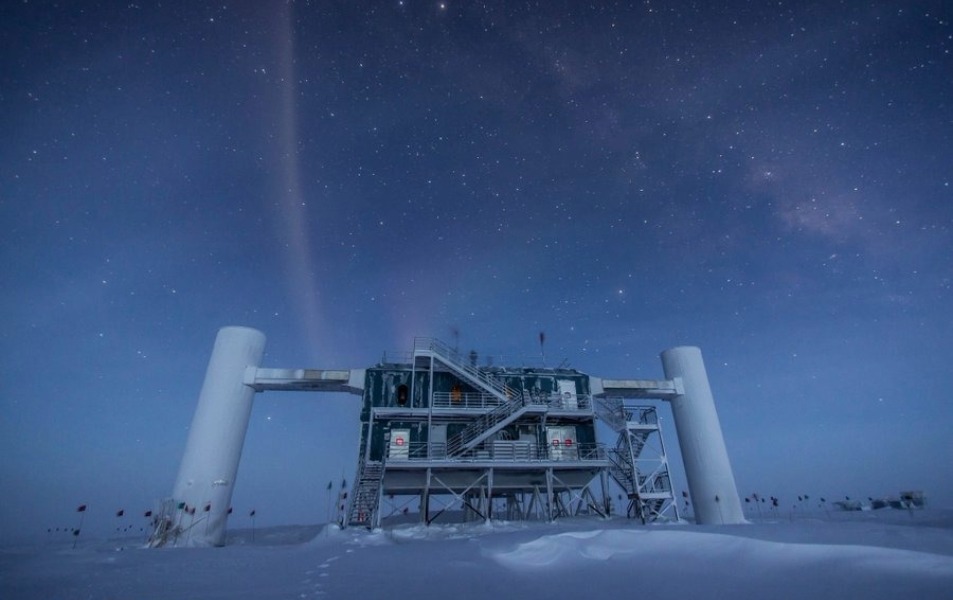

STOCKHOLM : The Royal Swedish Academy of Sciences has awarded the 2026 Nobel Prize in Physics to Francis Halzen of the University of Wisconsin–Madison for his decisive contributions to the IceCube Neutrino Observatory and the groundbreaking discovery of high-energy neutrinos originating from deep space.
The academy said Halzen’s scientific vision and leadership were fundamental to the development of IceCube, a neutrino observatory embedded in a cubic kilometre of Antarctic ice at the South Pole. The instrument has enabled researchers to detect high-energy neutrinos produced by extremely energetic processes in the distant universe.
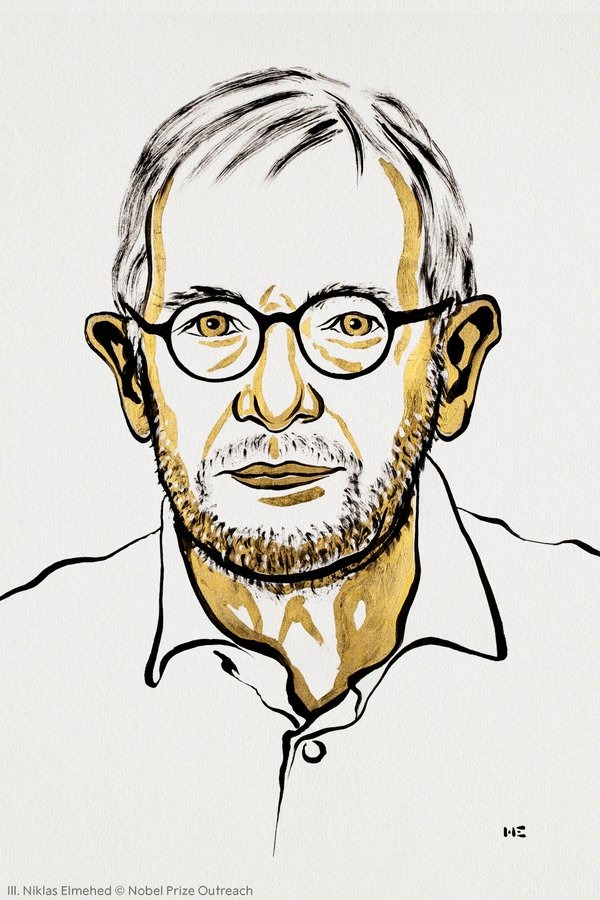
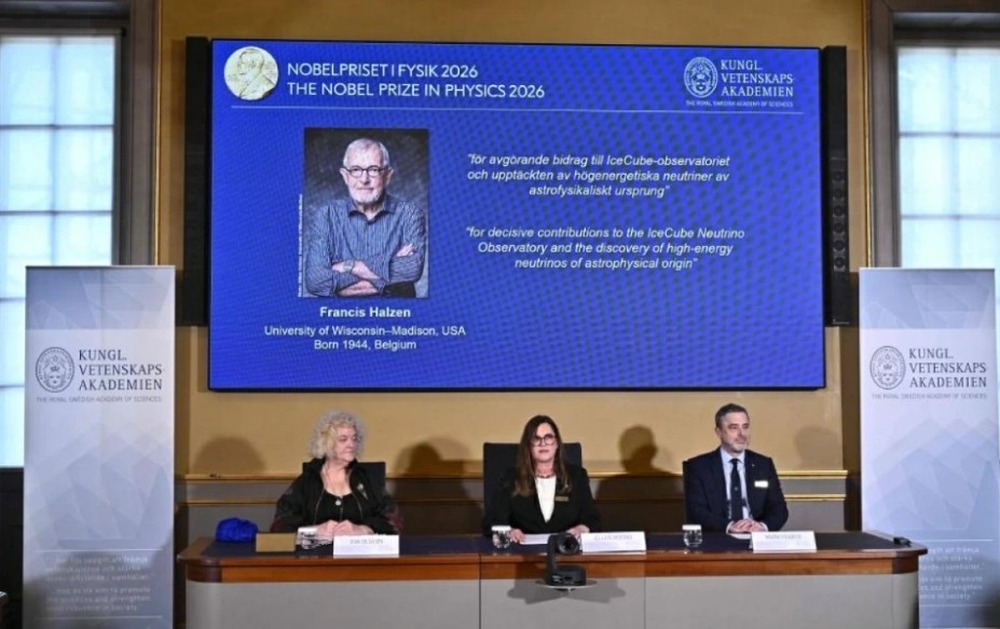
Halzen first presented his idea of using the South Pole’s ice to detect neutrinos in 1988. When a neutrino collides with an atomic nucleus, it can produce a flash of light that is detected by sensors embedded deep in the clear glacial ice.
Neutrinos are among the most elusive particles known to science. They pass through matter, including the Earth and human bodies, with little interaction. Their ability to travel vast distances without being deflected or losing significant energy allows scientists to trace them back to violent astrophysical environments and study cosmic phenomena that cannot be investigated through other particles.
The IceCube detector, completed in 2011, uses thousands of light sensors distributed throughout the Antarctic ice. Because high-energy cosmic neutrinos are extremely rare, the enormous volume of ice provides researchers with a sufficiently large target in which to detect their interactions.
IceCube soon detected high-energy neutrinos, and researchers subsequently identified neutrinos originating from well beyond the Solar System, opening the way for a new form of astronomy based on neutrinos.
“Francis Halzen has led an international team of researchers and engineers who have provided us with a fantastic instrument,” said Mark Pearce, Chair of the Nobel Committee for Physics. He said Halzen’s persistence and scientific vision had paved the way for a new kind of astronomy.
For all the latest news from Oman and GCC, follow us on Twitter, Instagram and LinkedIn, like us on Facebook and subscribe to our YouTube page, which is updated daily.
Read More
- US warns Eritrea, Ethiopia against fresh conflict as tensions escalate
- UN unlocks $160 million for 12 underfunded humanitarian crises
- Hunger crisis deepens in Yemen as food needs hit record levels
- US VP JD Vance says H-1B visa programme “completely broken”, should be scrapped
- Airbus A350F completes maiden flight, begins testing campaign





