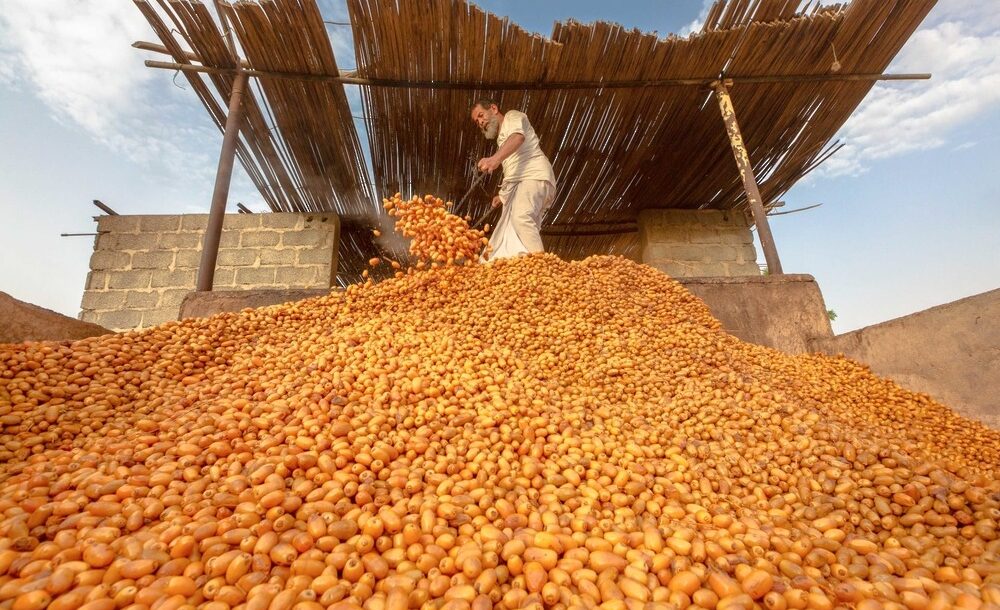

MUSCAT : The Ministry of Agricultural Wealth, Fisheries and Water Resources is implementing a series of programmes and initiatives aimed at improving the quality of date production and maximising the economic return from the crop.
The initiatives include applied research into post-harvest practices, studies on date preservation and drying techniques, and the transfer of modern methods to farmers through training and agricultural guidance programmes.
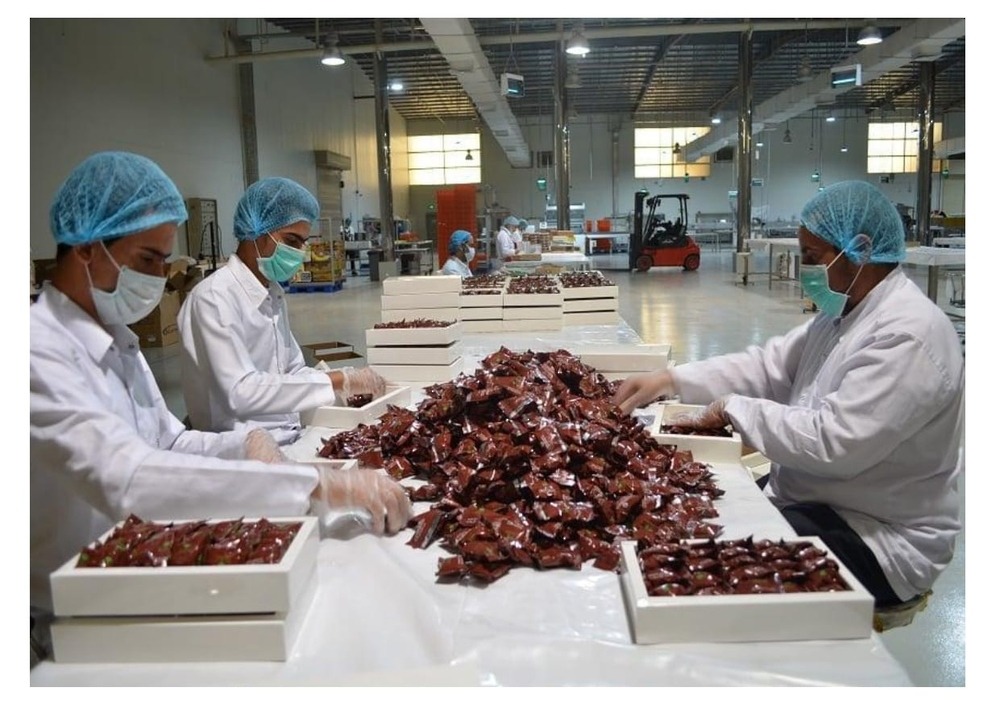
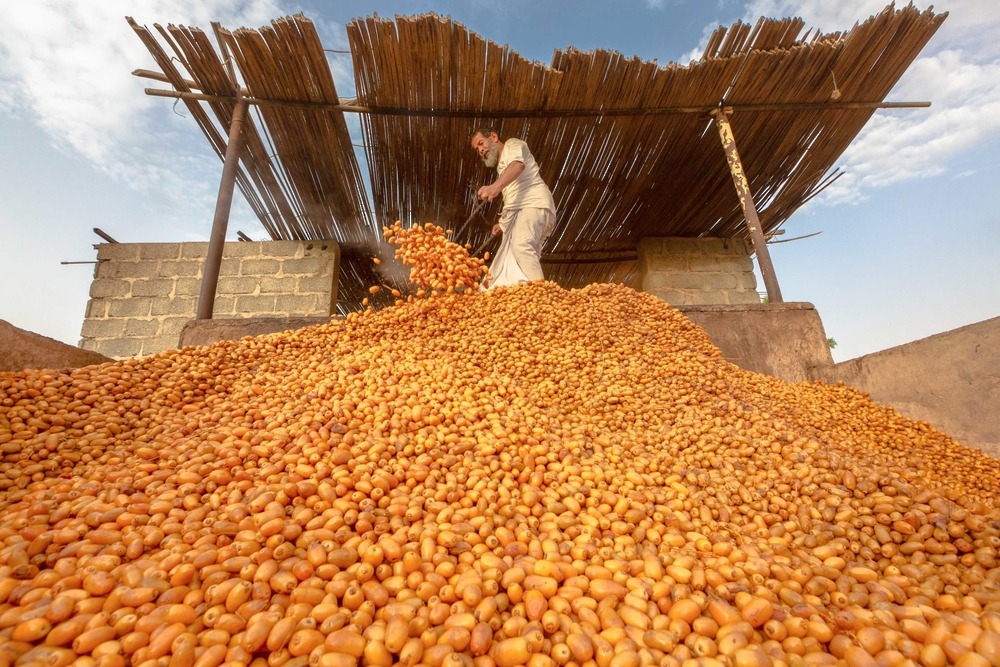
The ministry said greater adoption of modern technology could help reduce post-harvest losses, improve food quality and safety, and strengthen the competitiveness of Omani dates, while supporting the Sultanate’s broader objectives of enhancing food security and developing agriculture-based food industries.
Read More
- 13 expats arrested for gambling in Muscat
- His Majesty Sultan Haitham expresses condolences to Jordan King over church attack
- Two arrested in Muscat for possessing crystal meth
- Reposting offensive content on social media could lead to jail, fines in Oman, legal experts warn
- India-Oman AYUSH Information Cell inaugurated at KIMS Health Hospital, Muscat
As part of its research, ministry specialists have conducted trials using a drying room covered with specially designed polycarbonate material.
Comparisons with traditional open-air drying showed that the enclosed system was more effective in maintaining fruit cleanliness and quality while protecting dates from dust and insects. The ministry said this could improve the final product and increase its market value.
Dr. Abdulhamid bin Awad Al-Riyami, Director of the Palm and Plant Production Department at the ministry, said the date harvest season holds both agricultural and economic importance in Omani society, with families and farmers traditionally coming together to harvest, sort and prepare the crop.
He said advances in drying and food-processing technologies now offer an opportunity to preserve this agricultural heritage while transforming dates into value-added products and sustainable economic opportunities.
According to Al-Riyami, date drying gives farmers additional marketing options, particularly during seasons of abundant production or falling prices.
It also reduces crop losses, increases the economic value of the harvest and allows farmers to make better use of date palm production.
He noted that dried dates are an important part of the food security system because they retain high nutritional value and can be stored for extended periods without significant deterioration in quality.
Dates are rich in natural sugars, fibre, vitamins and minerals and can contribute to strengthening national food reserves while reducing food waste.
Al-Riyami said Oman needs to expand the use of modern drying methods, including solar systems and advanced mechanical dryers, to ensure higher standards of food safety and quality.
He also highlighted the growing role of entrepreneurs and small and medium enterprises across Oman that are turning dates into innovative food products, helping diversify income sources and increase the presence of Omani products in domestic and overseas markets.
He said farmer training, investment in processing industries and greater support for SMEs could strengthen the date palm value chain and create new employment opportunities, particularly in rural areas.
“Each stage of processing adds new value to the product,” he said, pointing to benefits ranging from better quality and stronger marketing potential to improved farmer incomes and more sustainable use of agricultural resources.
The ministry stressed that the future of Oman’s date palm sector will depend not only on increasing production, but also on making better use of the crop and converting it into products capable of competing in local and global markets.
Drying is among the most important processing activities in the sector, helping extend shelf life, reduce losses and create new opportunities in food manufacturing.
Dried dates are also widely used in products including date syrup, pastries, sweets and date powder.
The ministry said growing investment in date manufacturing and packaging is already improving product quality and marketability in Oman.
Existing date-processing projects, including facilities at the Nizwa Industrial Complex, were cited as examples of how the palm industry can support stronger local sales and future export growth.
For all the latest news from Oman and GCC, follow us on Twitter, Instagram and LinkedIn, like us on Facebook and subscribe to our YouTube page, which is updated daily.





