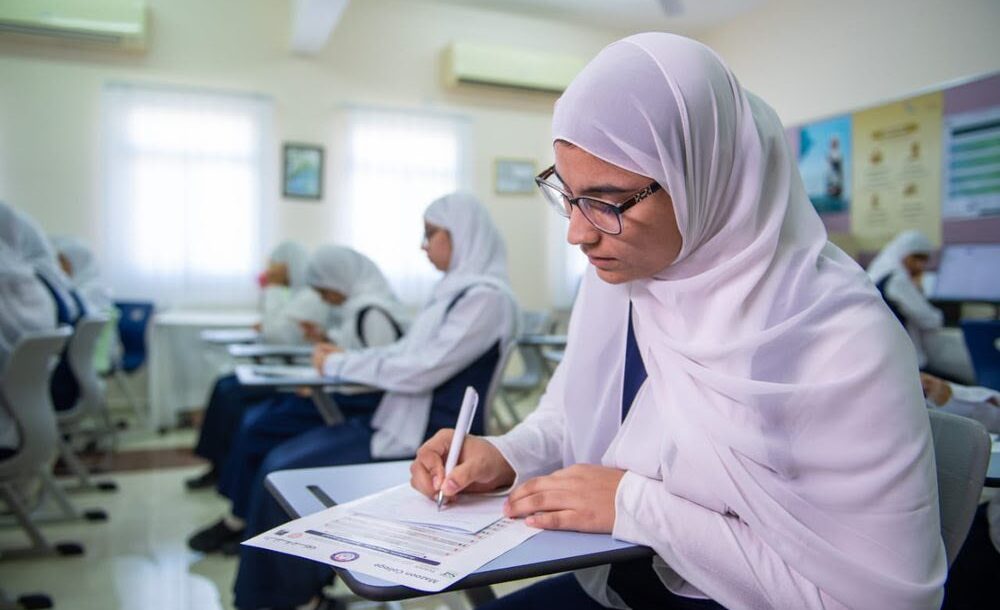

MUSCAT : A total of 876,117 students will begin the new academic year across schools in Oman on Sunday, September 6, as the Ministry of Education pushes ahead with reforms spanning curricula, vocational education, digital learning and artificial intelligence.
The student population comprises 440,899 boys and 435,218 girls, while about 3,903 students are enrolled in special education programmes across government and private education, according to figures released by the ministry.
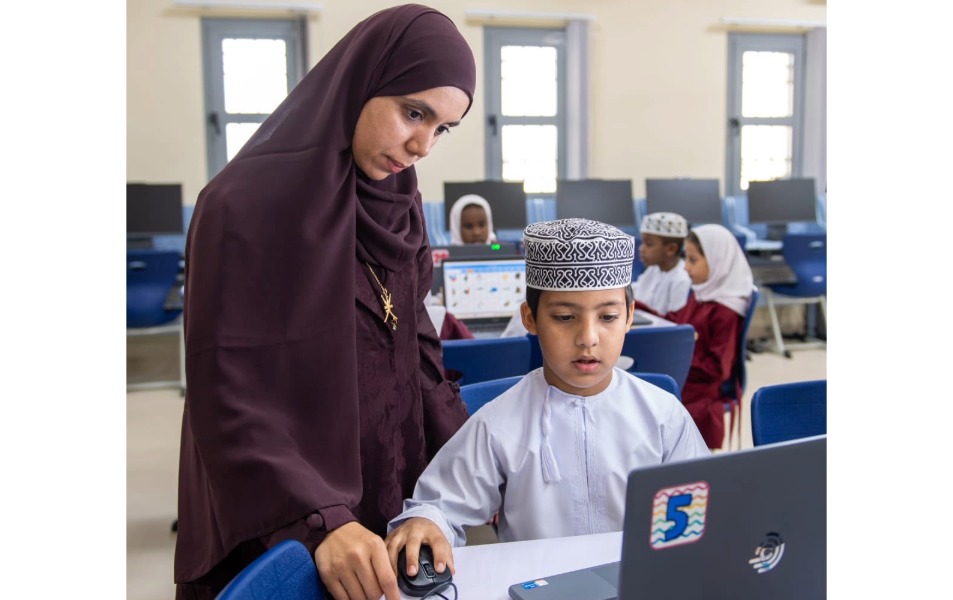
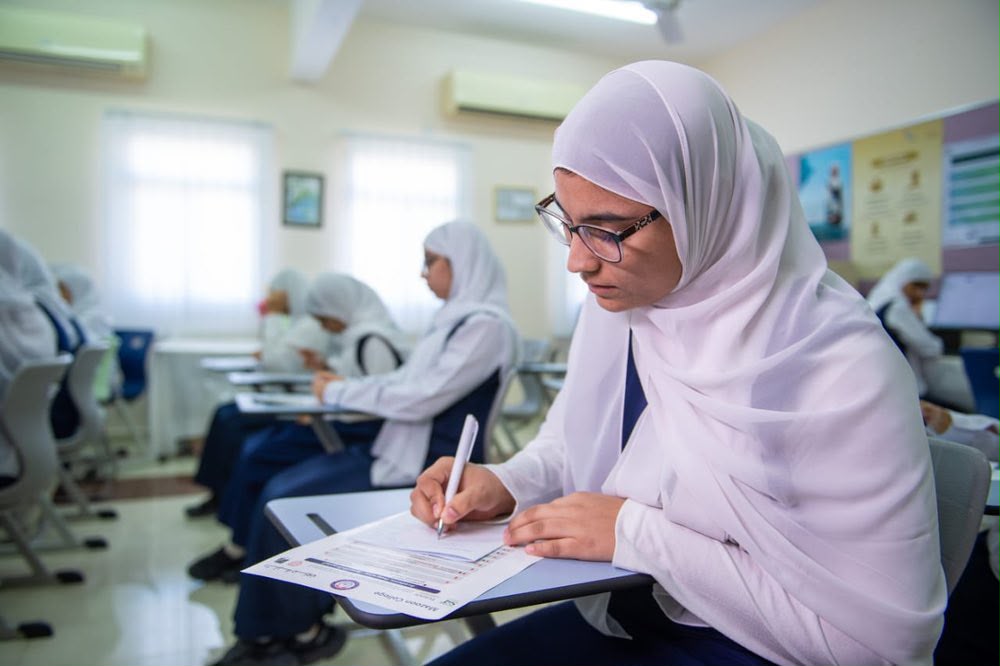
Students will attend 1,298 government schools across the Sultanate, including 341 serving Grades 1-4, 128 for Grades 5-8 and 165 for Grades 9-12. Another 664 schools cover multiple grade levels, while 115 schools operate evening shifts.
Read More
- Youth are the pillar of Oman’s development and future, says minister
- His Majesty Sultan Haitham issues decrees amending Council of Oman, Shura election laws
- Oman moves to ensure essential goods supply, price stability as CPA meets retailers
- 13 expats arrested for gambling in Muscat
- His Majesty Sultan Haitham expresses condolences to Jordan King over church attack
The government school system employs 68,205 teaching staff, including 21,011 male and 47,194 female teachers, as well as 12,200 administrative and technical employees.
Education Minister Dr. Madiha bint Ahmed Al Shibani said the academic year comes as Oman implements a major institutional overhaul following the merger of the former Ministry of Education and Ministry of Higher Education, Research and Innovation into a single Ministry of Education.
She said the restructuring was aimed at creating a more integrated education system, linking learning from the pre-school level through higher education and improving alignment between graduates’ skills and labour market requirements.
The ministry is also expanding school infrastructure, with 18 new school buildings opening across the country this academic year to accommodate rising student numbers, reduce reliance on double-shift schools and replace older facilities.
Private education is also expanding. The number of private schools is expected to rise to 1,366 from 1,264 last year, an increase of about 8%.
Oman is meanwhile widening its vocational and technical education programme, which currently offers nine specialisations covering engineering, industry, travel and tourism, information technology and business administration.
Around 1,253 students were enrolled in the programme by the end of the previous academic year. It will expand from four governorates to six this year, with South Al Sharqiyah and South Al Batinah joining Muscat, North Al Batinah, Dhofar and Al Dakhiliyah.
The ministry has also introduced 11 new curricula and updated six others. Changes include reducing the number of subjects for Grades 7 and 8 from 11 to 10 and adding Chinese as an optional subject for Grade 12 students in participating schools.
Around 385 textbooks and teaching guides have been printed, while 16 supplementary curriculum publications have also been prepared.
Digital education will form another major part of the reforms, including an e-learning system, digital repository and a pilot digital atlas that will initially cover 20% of government schools.
The ministry will also begin implementing an artificial intelligence framework for school education during the new academic year, setting guidelines for the safe and responsible use of AI while developing digital and AI skills among students, teachers and school leaders.
Dr. Intisar bint Abdullah Ambusaidi, Undersecretary for Educational Support Programmes, said scientific innovation and AI would be central to the ministry’s plans, alongside robotics, mathematics and science programmes.
About 4,000 newly recruited teachers will also undergo orientation programmes as part of preparations for the academic year.
The ministry is preparing 200 government and private schools across nine educational governorates for external reviews by the Oman Authority for Academic Accreditation and Quality Assurance of Education, with 1,575 participants being trained in school self-evaluation and quality improvement.
Oman will also hold the fifth edition of the Oman Science Festival during the academic year, alongside programmes aimed at developing student leadership, entrepreneurship, innovation and participation in regional and international competitions.
Al Shibani said investment in teachers remained central to Oman’s education strategy.
“Investing in the teacher is an investment in the future of this nation,” she said, adding that teacher preparation and professional development would remain a priority as the education system adapts to changing skills requirements.
She also urged parents to work closely with schools and help children use technology and social media safely and responsibly.
For all the latest news from Oman and GCC, follow us on Twitter, Instagram and LinkedIn, like us on Facebook and subscribe to our YouTube page, which is updated daily.





