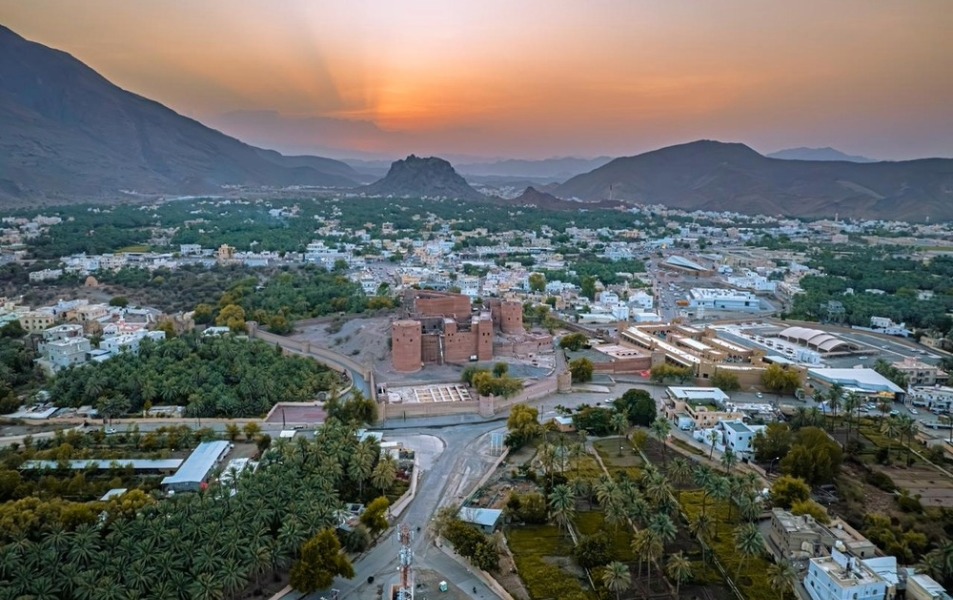

MUSCAT : H.E. Dr. Yahya bin Sulaiman Al Nadabi, Wali of Rustaq, said the wilayat is steadily building on its historical, natural and tourism potential while improving services and infrastructure for residents and visitors.
He said ongoing projects in roads, public facilities, services and tourism development reflect efforts to create an integrated environment that improves quality of life, supports economic activity and enhances Rustaq’s appeal as a destination.
Among the major projects is the design and paving of 40 kilometres of internal roads. Around 33 kilometres have already been completed, taking the overall completion rate to 80 per cent.
Read More
- Youth are the pillar of Oman’s development and future, says minister
- His Majesty Sultan Haitham issues decrees amending Council of Oman, Shura election laws
- Oman moves to ensure essential goods supply, price stability as CPA meets retailers
- 13 expats arrested for gambling in Muscat
- His Majesty Sultan Haitham expresses condolences to Jordan King over church attack
Work on box culverts across several locations has reached 90 per cent completion, with works completed in Samia, Al Falaj Al Hadith and Al Hawqain.
The Rustaq City Walk project, aimed at creating a new destination combining recreational, social, commercial and service activities, has reached 50 per cent completion.
Development of the Aqaba Al Rustaq Gate is meanwhile 60 per cent complete as part of efforts to improve the wilayat’s entrances and urban landscape.
Construction of neighbourhood parks in Al Hawqain, Amq and Jammah has also reached 60 per cent completion.
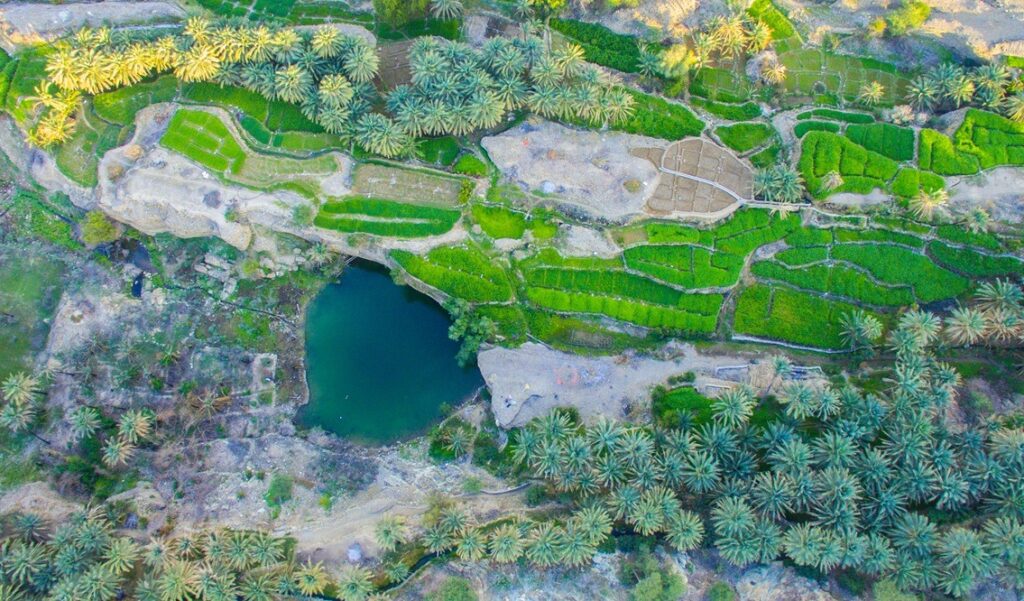
Development work has additionally begun on the third phase of the Ain Al Kasfa project, one of Rustaq’s best-known natural and tourism attractions.
The Ministry of Transport, Communications and Information Technology is also rehabilitating the approximately 11-kilometre road connecting Al Hazm village with Al Washil village. The project is expected to improve road safety, traffic movement and connectivity between surrounding communities.
Several other projects have recently been completed, including development of the Al Hazm entrance, repairs to damage caused by weather conditions, maintenance of the Rustaq vegetable and fruit market, and installation of lighting poles at Rustaq Public Park and other locations.
Rustaq’s development drive is supported by a rich combination of historical and natural attractions.
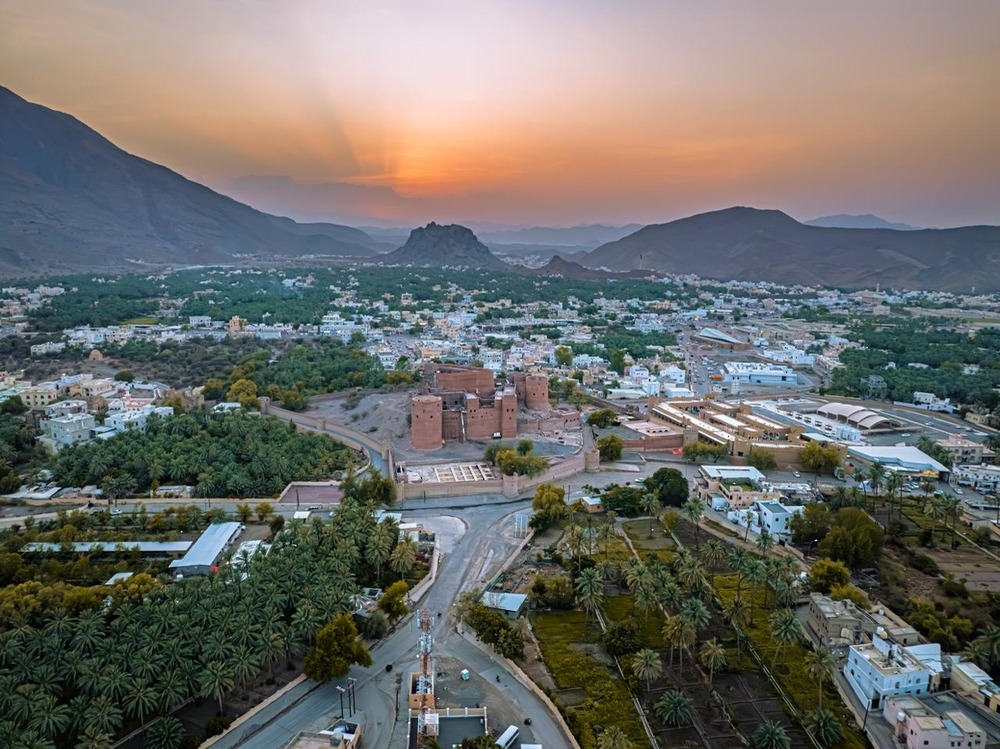
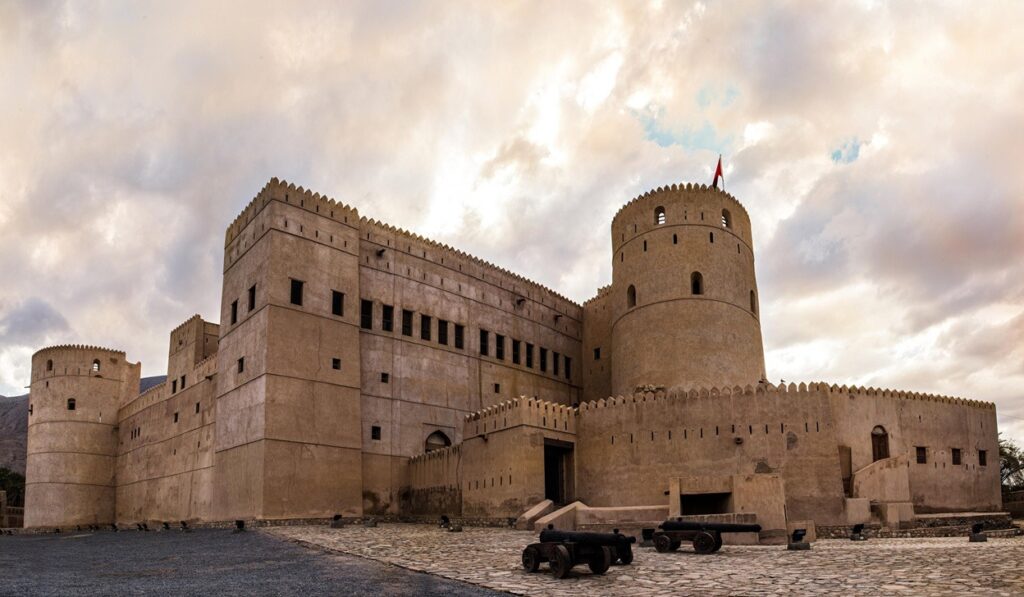
The wilayat is home to prominent landmarks including Rustaq Castle and Al Hazm Fort, alongside Ain Al Kasfa, Ain Al Huwait and Al Khaba Al Zarqa springs.
Falaj Al Maysar also represents an important part of Rustaq’s agricultural heritage and its traditional irrigation systems.
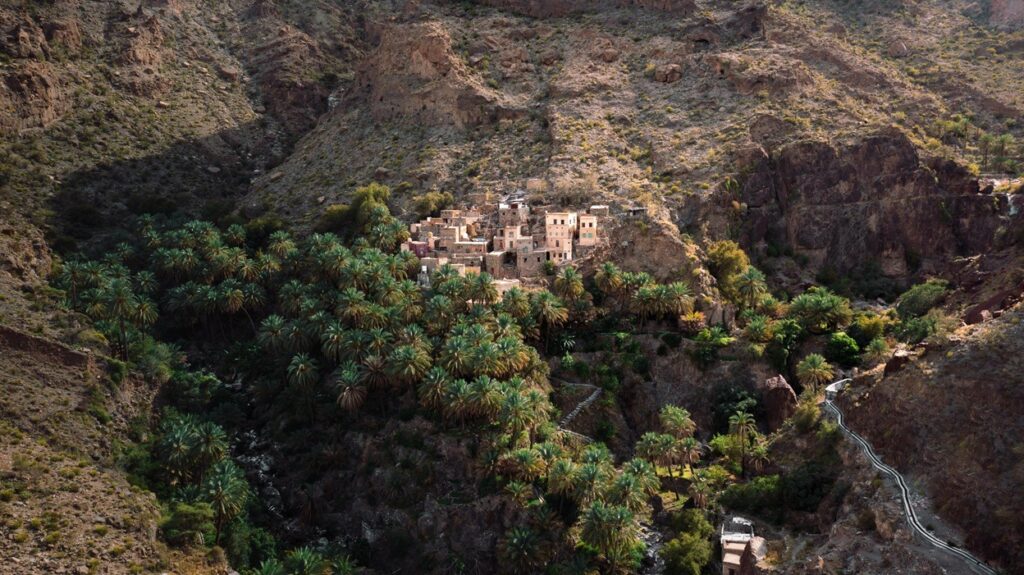
The wilayat is known for several valleys and mountainous areas, including Wadi Bani Ghafir, Wadi Al Hawqain, Wadi Al Sahtan, Wadi Bani Awf, Wadi Al Sin, Wadi Al Haymali and Wadi Bani Hani.
Al Hawqain waterfalls are another prominent natural attraction, while mountain villages including Balad Seet, Jammah in Wadi Al Sahtan and Al Khadha offer opportunities for nature, adventure and heritage-based tourism.
H.E. Dr. Al Nadabi said the integration of forts, springs, valleys, mountain villages and natural trails presents significant opportunities to diversify Rustaq’s tourism offering and increase the economic value generated by these sites.
The wilayat also has a broad network of basic services.
Rustaq has 10 healthcare institutions, including Rustaq Hospital, Wadi Al Haymali Hospital, Wadi Bani Ghafir Hospital and Rustaq Health Complex.
It also has six health centres — Rustaq Health Center, Al Hawqain Health Center, Al Razi Health Center, Wadi Al Sahtan Health Center, Balad Seet Health Center and Wadi Bani Awf Health Center — helping provide services across urban, rural and mountainous communities.
In the education sector, Rustaq has 50 government schools serving students across different areas and villages of the wilayat.
Authorities believe tourism could become an increasingly important contributor to Rustaq’s economy, particularly due to the close proximity of its historical, mountainous and natural attractions.
The wilayat offers scope for integrated tourism programmes combining forts and castles with springs, valleys, mountain trails and heritage villages.
This could also open further opportunities for private investment in hotels, restaurants, cafes, recreational facilities, adventure tourism and mountain excursions, while supporting small and medium enterprises and local entrepreneurs.
H.E. Dr. Al Nadabi said Rustaq has the potential to become an integrated tourism destination and stressed that greater investment in historical and natural sites, supported by improved infrastructure and tourism services, would help maximise the wilayat’s competitive advantages.
He added that cooperation between government entities, the private sector and the local community would be essential to ensure the sustainability of projects and maximise their economic and social benefits.
Rustaq’s strength, he said, lies in its ability to bring together history, nature, essential services and modern development, creating an integrated foundation for greater domestic tourism and local investment.
For all the latest news from Oman and GCC, follow us on Twitter, Instagram and LinkedIn, like us on Facebook and subscribe to our YouTube page, which is updated daily.





