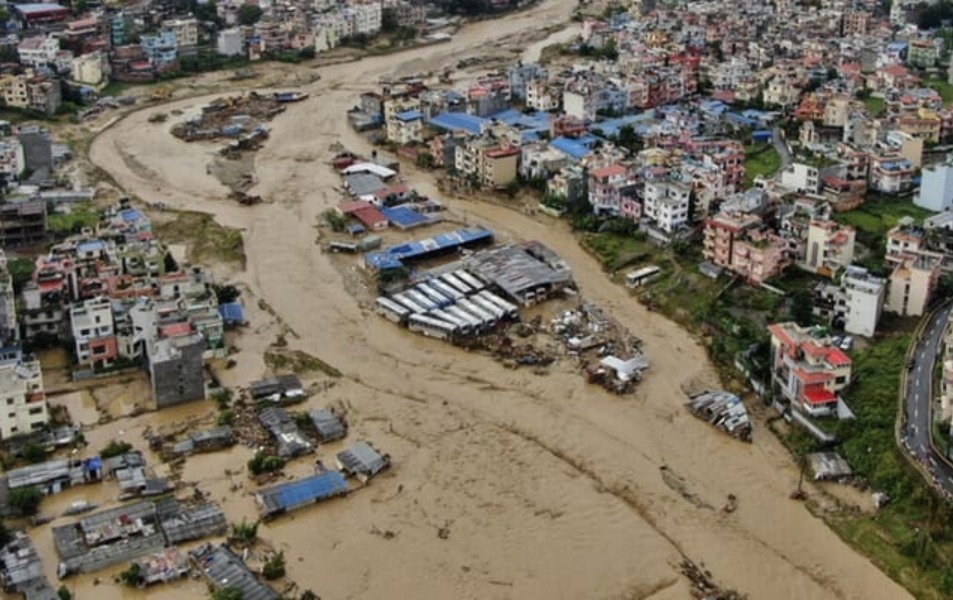

Kathmandu: The assistance will include up to three months of emergency food support for as many as 10,000 flood-affected households, alongside shelter supplies, essential relief items and water, sanitation and hygiene support.
“The United States is standing with the people of Nepal by providing more than $3.6 million worth of life-saving humanitarian assistance,” the US State Department said, adding that its embassies in Nepal and China were also working to assist American citizens affected by the disaster.
The US Embassy in Kathmandu has been coordinating with the Nepal government and humanitarian organisations to ensure relief reaches the worst-affected communities.
Read More
- IndiGo cancels Riyadh flights until October 31, 3 other Saudi routes until October 27 amid evolving security situation
- UAE closes all beaches in Umm Al Quwain after tanker oil spill detected
- Earthquake of Magnitude 7.0 Strikes Tibet; 16 Dead, 32 injured
- Nigeria reports first imported Ebola Bundibugyo case in Abuja: WHO
- US midterm voting begins in Texas as Democrats target historic gains
US Chargé d’Affaires Scott Urbom dispatched the first shipment of emergency supplies on August 28. Catholic Relief Services, through its implementing partner Caritas Nepal, delivered more than 2.5 tonnes of food supplies, along with 500 blankets, 500 mosquito nets and 500 insulating foam sheets for temporary shelter flooring to two schools in Rasuwa.
The embassy said it was working with Nepalese authorities, Catholic Relief Services and Caritas Nepal to prepare further shipments based on the country’s immediate requirements.
The latest assistance follows an earlier US announcement of $500,000 in emergency funding for shelter, relief supplies and water, sanitation and hygiene services. Washington has also deployed a disaster response adviser to assist relief coordination.
Rescue operations continued across the affected districts on Sunday as teams searched for thousands of missing people and attempted to reach communities cut off by damaged roads and bridges.
The disaster struck on August 26 after the collapse of part of a Himalayan glacier near the Nepal-Tibet border triggered an enormous ice-rock avalanche and debris flow. The resulting surge of water, mud and rocks swept downstream through mountain communities, destroying homes, roads, bridges and hydropower infrastructure.
Nepalese authorities reported 734 deaths and 2,498 people missing as of Sunday, while casualties and disappearances were also reported across the border in Tibet. International relief and specialised rescue efforts are continuing as authorities confront one of the region’s deadliest recent natural disasters.





