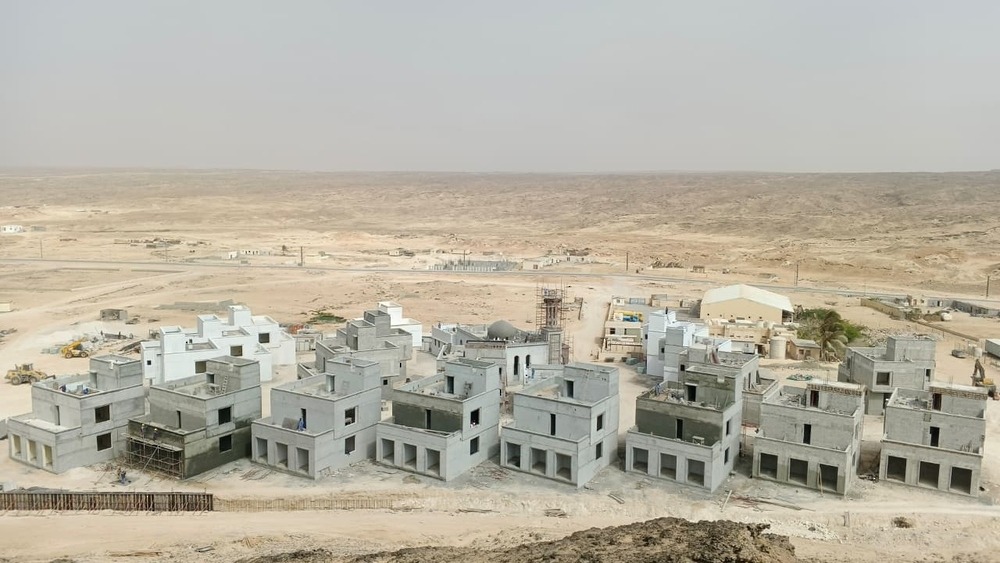

Muscat: Fishermen’s villages are designed to provide a stable residential and service environment close to fish landing areas and high-productivity fishing grounds. Authorities say the projects are expected to attract more fishermen, improve productivity and stimulate economic activity in coastal communities.
Asaad bin Salem Al-Amri, Director of the Fisheries Department in Al Wusta Governorate, told the Oman News Agency that the concept goes beyond simply providing housing.
He said the aim is to establish integrated fishing communities where fishermen have access to the basic services they need for both daily life and their profession, helping them remain close to production areas and continue their activities more efficiently.
Read More
- Al Mudhaibi Health Center in Oman to close permanently as services move to new complex
- Two arrested in Oman’s Al Dakhiliyah for series of vehicle and motorcycle thefts
- World Bank sees Oman’s economy holding firm with 3.1% growth amid regional conflict
- Oman, Italy sign MoU to enhance cooperation in areas of heritage, museums
- His Majesty Sultan Haitham, Dutch King discuss bilateral ties and regional developments
Al Wusta is among the key governorates targeted for such projects due to its long coastline along the Arabian Sea, diverse fish resources and multiple fishing seasons. Its fishing-rich locations also make the governorate a promising centre for further economic activity linked to the fisheries sector.
Al-Amri said the villages form part of a wider system for developing fisheries and should not be viewed as housing projects alone. By bringing fishermen closer to landing sites, the projects can increase fishing activity, support fish trading and marketing, and strengthen different stages of the fisheries value chain.
One of the major projects under development is the model fishing village at Ras Madrakah in the Wilayat of Duqm.
The project includes 19 residential villas, each comprising three rooms, in addition to a mosque, three shops and an office for ministry employees. It is designed to accommodate up to 228 fishermen.
Construction has reached 60 per cent completion, ahead of the planned progress rate of 47.98 per cent. Work is now advancing into finishing, electromechanical works and the completion of facilities and services.
Al-Amri said the economic impact of fishermen’s villages could extend well beyond the fishermen who live there. Increased activity at fishing sites could stimulate fish landing operations, transportation and marketing services, while also creating opportunities for small and medium enterprises and supporting related processing and service industries.
Keeping fishermen close to fishing and landing areas can also reduce travel distances and operating costs, while improving the efficiency of the wider fish value chain.
He added that such projects could attract fishermen from other coastal governorates and help localise economic activity by creating opportunities in fishing, trade, logistics and fish processing.
According to Al-Amri, Al Wusta’s extensive coastline, rich marine resources and strategic location, combined with the rapid growth of economic, industrial and logistical activities in Duqm, make the governorate particularly suitable for developing integrated fishing communities.
He stressed that fishermen’s villages represent an investment not only in infrastructure, but also in people and local communities.
Their success, he said, should ultimately be measured by the stability they provide to fishermen, the growth in fishing activity and related businesses, and their contribution to increasing the economic value of Oman’s fish resources and building a more competitive and sustainable fisheries sector.





