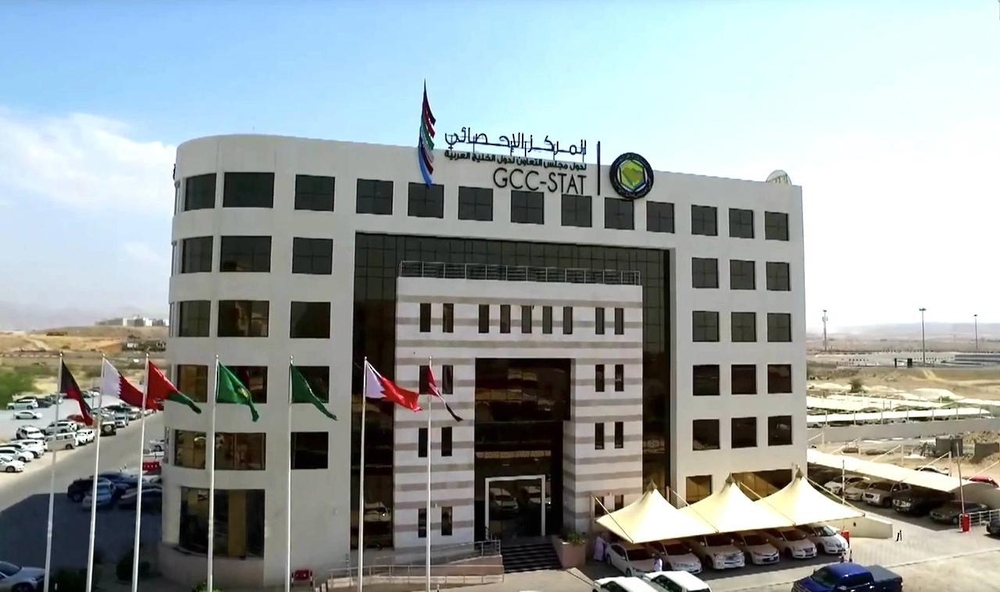

MUSCAT : Latest figures released by the Statistical Centre for the Cooperation Council for the Arab Countries of the Gulf (GCC-Stat) show particularly strong performance among Gulf youth in areas ranging from basic digital operations and social communication to privacy management, information verification and programming.
According to the data, 100 per cent of young GCC nationals demonstrated file-copying skills, compared with 54 per cent globally. Social communication skills were recorded among approximately 95.2 per cent of GCC youth, well above the global level of 68 per cent.
The gap was also significant in more advanced digital competencies. Around 75.9 per cent of Gulf youth possessed skills related to privacy settings, compared with just 34 per cent globally, while 61.6 per cent demonstrated information-verification skills, against a global rate of 24 per cent.
Read More
- IndiGo cancels Riyadh flights until October 31, 3 other Saudi routes until October 27 amid evolving security situation
- UAE closes all beaches in Umm Al Quwain after tanker oil spill detected
- Earthquake of Magnitude 7.0 Strikes Tibet; 16 Dead, 32 injured
- Nigeria reports first imported Ebola Bundibugyo case in Abuja: WHO
- US midterm voting begins in Texas as Democrats target historic gains
Programming skills among GCC youth stood at approximately 31.8 per cent, more than five times the global rate of 6 per cent, according to GCC-Stat.
The figures come as GCC governments continue to place education and skills development at the centre of their long-term economic strategies. Government spending on education in some GCC countries reached around 17 per cent of total expenditure in 2024, exceeding the global average of 12.6 per cent.
The investment reflects efforts across the region to prepare younger generations for rapid technological transformation and the changing requirements of the future labour market.
Digital and communication skills are becoming increasingly important as GCC economies accelerate their transition towards technology-driven and knowledge-based industries. Such capabilities can strengthen employability, encourage entrepreneurship and innovation, support lifelong learning and promote responsible digital citizenship.
The indicators also support the objectives of the United Nations Sustainable Development Goals, particularly SDG 4 on Quality Education, which calls for a substantial increase by 2030 in the number of young people and adults equipped with technical and vocational skills for employment, decent jobs and entrepreneurship.
They are also linked to broader development objectives aimed at strengthening access to essential public services, including education.
The GCC figures underline how investment in education is increasingly moving beyond expanding access to knowledge and becoming an important tool for building human capital, improving competitiveness and preparing economies for the digital age.
The strong levels of programming, privacy awareness and information-verification skills among Gulf youth also point towards a generation increasingly equipped to innovate, launch businesses and adapt to fast-changing workplaces.
The findings broadly reflect the human-development principle that people’s capabilities and opportunities are central to development, while international development institutions continue to emphasise investment in young people and ensuring that technological progress benefits different sections of society.
For all the latest news from Oman and GCC, follow us on Twitter, Instagram and LinkedIn, like us on Facebook and subscribe to our YouTube page, which is updated daily.





