
New York: UNICEF said seasonal rains, flooding, population displacement and cross-border movement are accelerating the spread of cholera across the region, despite the disease being both preventable and treatable.
The outbreaks are currently concentrated along two major corridors. The first is the Lake Chad Basin, covering Chad, Cameroon and Nigeria, while the second stretches across the Congo River Basin, affecting the Democratic Republic of Congo, the Republic of Congo and the Central African Republic.
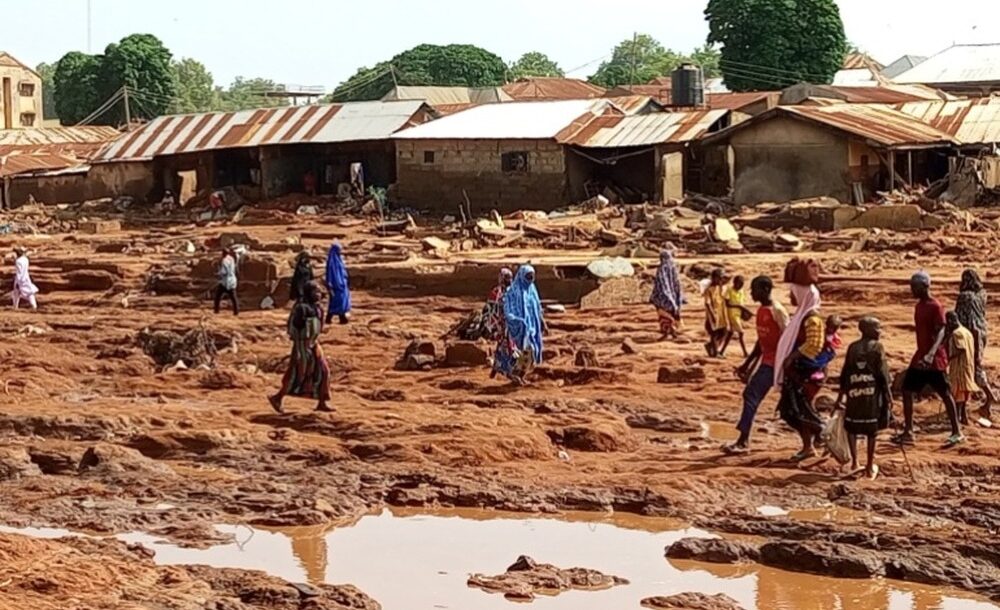
According to UNICEF, flooding in both regions has contaminated water sources and damaged sanitation infrastructure, severely limiting access to safe water and other essential services for vulnerable communities.
Read More
- IndiGo cancels Riyadh flights until October 31, 3 other Saudi routes until October 27 amid evolving security situation
- UAE closes all beaches in Umm Al Quwain after tanker oil spill detected
- Earthquake of Magnitude 7.0 Strikes Tibet; 16 Dead, 32 injured
- Nigeria reports first imported Ebola Bundibugyo case in Abuja: WHO
- US midterm voting begins in Texas as Democrats target historic gains
Children are among the hardest hit. In the Central African Republic, children under the age of 10 account for 44 per cent of reported infections, while those under 15 represent around two-thirds of cases in Chad. In Cameroon, the average age of people infected is just 10 years.
Nigeria is facing the largest outbreak in the region, with more than 50,000 cases and 338 deaths reported since the beginning of the year, with most cases concentrated in Borno State.
Meanwhile, the Democratic Republic of Congo has recorded more than 30,400 cases and nearly 700 deaths, representing the highest death toll among the affected countries.
UNICEF Regional Director for West and Central Africa Gilles Fagnino warned that the outbreak is no longer confined by national borders, with the disease spreading through shared rivers, trade routes and population movements.
He said millions of children remain at risk, adding that every new cholera infection reflects the continued lack of access to safe and clean water for many communities.
UNICEF said containing the outbreak will require an urgent and coordinated response, greater investment and stronger regional cooperation.
Working alongside national and local authorities, the World Health Organization, the Africa Centres for Disease Control and Prevention and other partners, UNICEF is expanding water and sanitation services, strengthening disease surveillance, supplying essential health materials and supporting oral cholera vaccination campaigns.
The agency has called for an additional $15 million in urgent funding to scale up life-saving cholera response operations across West and Central Africa over the next six months.





