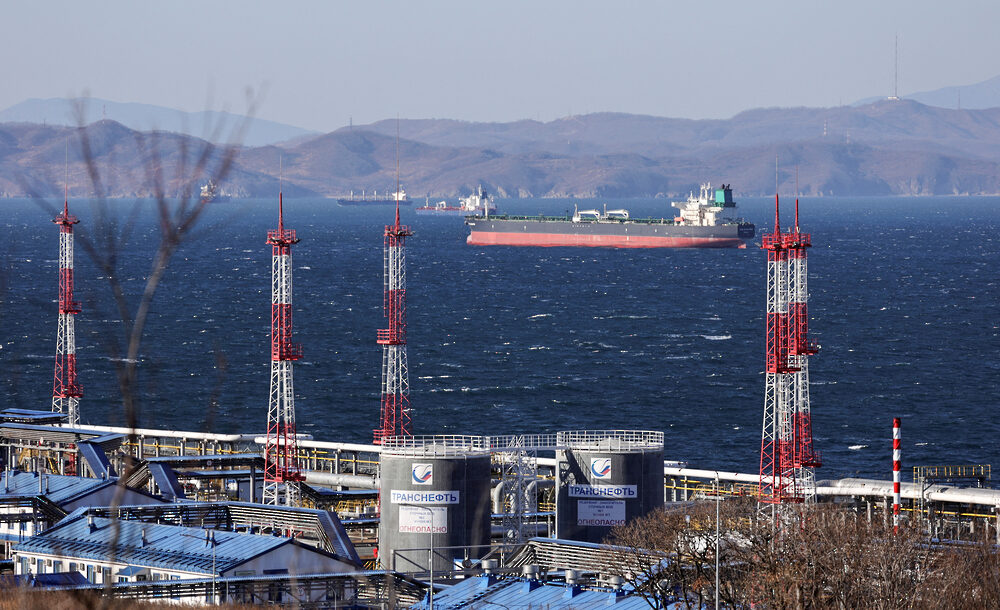

Moscow: Russia, the world’s second-largest exporter of diesel after the United States, announced the export ban last week as domestic fuel supplies came under pressure following Ukrainian drone attacks on its refineries. The move has intensified concerns over global diesel availability at a time when markets are already strained by strong post-pandemic demand, refinery closures in the West and rising geopolitical tensions in the Middle East.
Diesel is one of the most important fuels in the global economy, powering heavy transport, industrial equipment, agricultural machinery and electricity generation. Any sharp rise in diesel prices can therefore feed into wider inflation, raising costs for goods, logistics, farming and power supply.
According to Kpler data, Russia’s average shipments of diesel and gas oil fell to 234,000 barrels per day between July 1 and 10, compared with 400,000 barrels per day in June and an average of nearly 817,000 barrels per day during 2025.
Read More
Market pressure increased further after renewed U.S.-Iran fighting raised concerns about maritime movement through the Middle East, a key region for global oil flows. The escalation came just hours after Russia’s export ban, adding to fears of disruption in an already tight fuel market.
In the United States, official data showed a sharp drop in diesel-related inventories. The U.S. Energy Information Administration reported that distillate stockpiles, which include diesel and heating oil, fell by about 5 million barrels in the week ending July 3.
“Developments in the Gulf, coupled with the halt in Russian exports and the notable report from the U.S. Energy Information Administration, have prompted derivatives sellers to refrain from offering them,” Tom Kloza, a consultant for Gulf Oil, said in a note to clients.
Although the United States and Europe no longer import Russian fuel due to sanctions linked to Moscow’s invasion of Ukraine, the export ban has still pushed diesel prices higher in both regions. Analysts say this reflects the deeply interconnected nature of global oil markets, where a supply disruption in one major exporting country can quickly affect prices worldwide.





