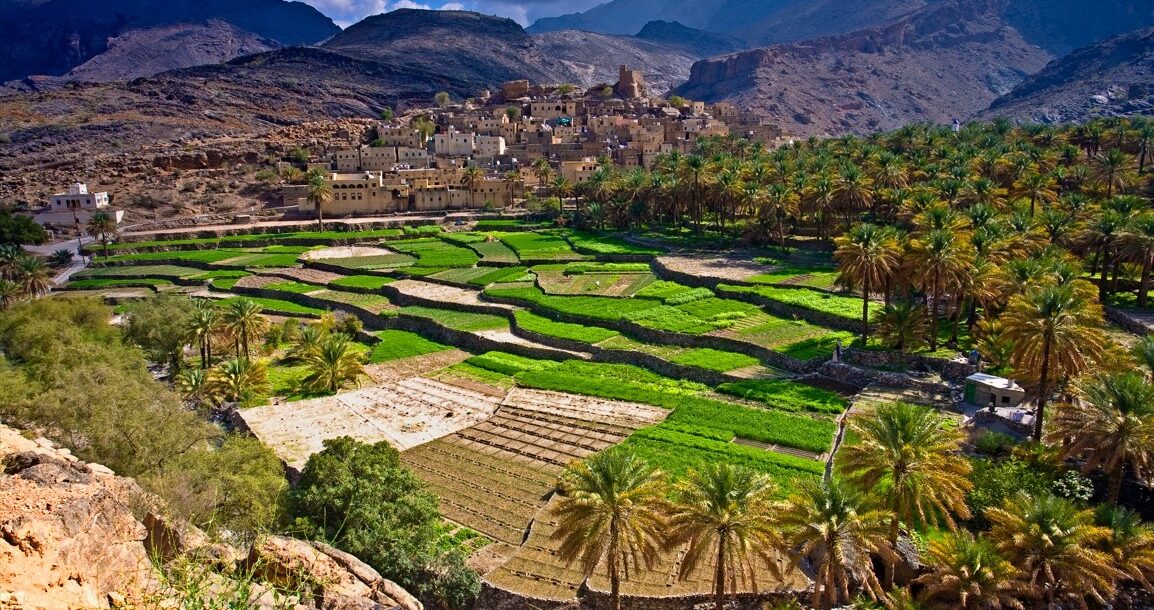

MUSCAT – Stretching from the shores of the Sea of Oman to the highlands of the Western Hajar Mountains, the governorate offers a wide range of tourism experiences, including heritage, eco-tourism, mountain adventures, marine activities and diving.
The governorate, which includes the wilayats of Al Rustaq, Barka, Al Musannah, Nakhal, Wadi Al Maawil and Al Awabi, has witnessed continued development in tourism infrastructure and investment projects, strengthening its presence on Oman’s tourism map.
Historical landmarks remain among the governorate’s key attractions, with around 495 registered sites recorded by the end of the first quarter of 2026. These include castles, forts, mosques, traditional houses, archaeological neighbourhoods, walls and towers.
Al Rustaq leads the governorate in heritage assets with 250 historical landmarks, including castles, forts, mosques, traditional houses and towers, making it one of the most prominent heritage destinations in South Al Batinah.
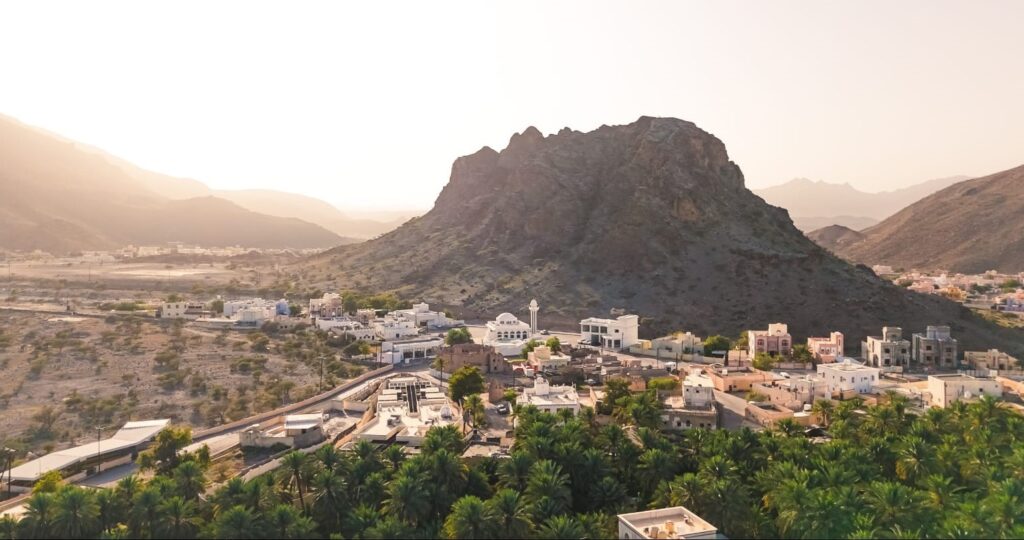
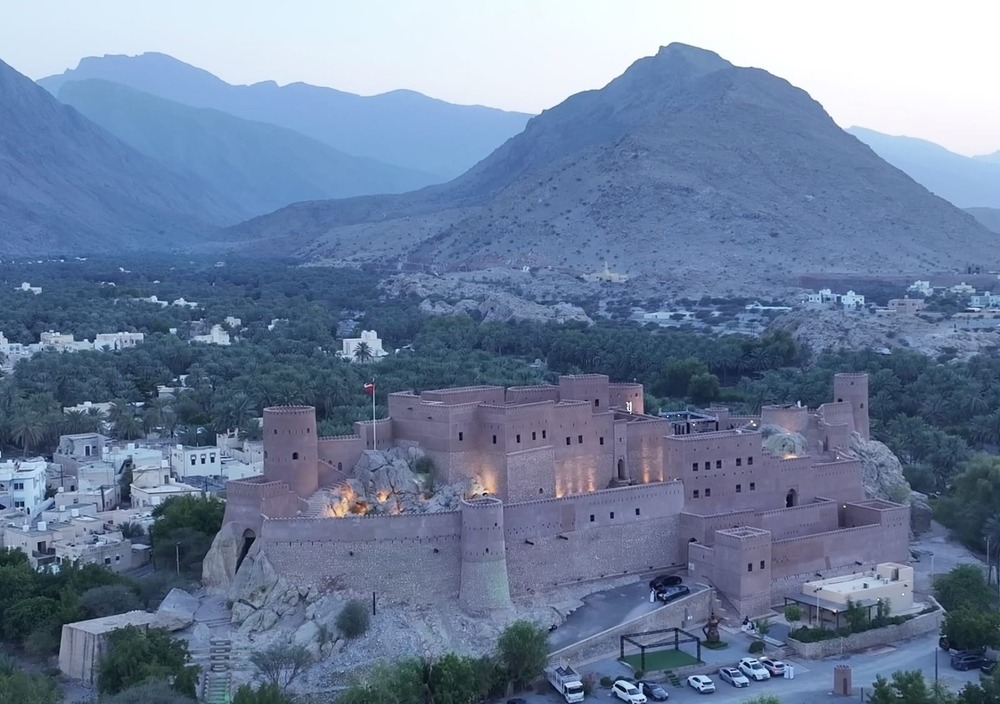
Nakhl ranks second with 93 historical landmarks, followed by Al Awabi with 63 sites, Wadi Al Maawil with 49, Barka with 24 and Al Musannah with 16 historical landmarks.
The governorate’s historic neighbourhoods and traditional houses continue to provide visitors with insights into Omani culture, architecture and social heritage.
The hospitality sector has also recorded significant growth, with 362 licensed hotel establishments operating across South Al Batinah by the end of the first quarter of this year.
Barka accounts for the largest share with 271 establishments, followed by Al Musannah with 46, Al Rustaq with 25, Nakhl with 15, Wadi Al Maawil with three and Al Awabi with two establishments.
The expansion of accommodation facilities supports the governorate’s readiness to receive visitors and provides diverse options aligned with quality and sustainability standards.
South Al Batinah is also known for its natural attractions, including wadis, mountain villages, springs and beaches. Popular destinations include Wadi Bani Awf, Wadi Al Sahtan, Wadi Al Hawqain, Wadi Bani Ghafir, Wadi Al Abyad, Wadi Bani Kharous and Wadi Mustal.
The Daymaniyat Islands Nature Reserve remains one of the governorate’s most important eco-tourism attractions, featuring nine islands known for coral reefs, marine biodiversity and unique geological formations.
The reserve has seen a sharp increase in visitor numbers, rising from 19,783 visitors in 2020 to 136,549 in 2025, highlighting its growing appeal among diving, marine tourism and nature enthusiasts.
Read More
- Oman convenes global experts to advance AI innovation in mental healthcare
- HH Sayyid Theyazin chairs International Financial Centre of Oman board meeting
- Oman participates in Interpol Anti-Drug Conference in Czech Republic
- HH Sayyid Bilarab honours former Wali of Bausher for dedicated public service in Muscat
- Oman police to review heavy vehicle safety standards and driving licence rules





