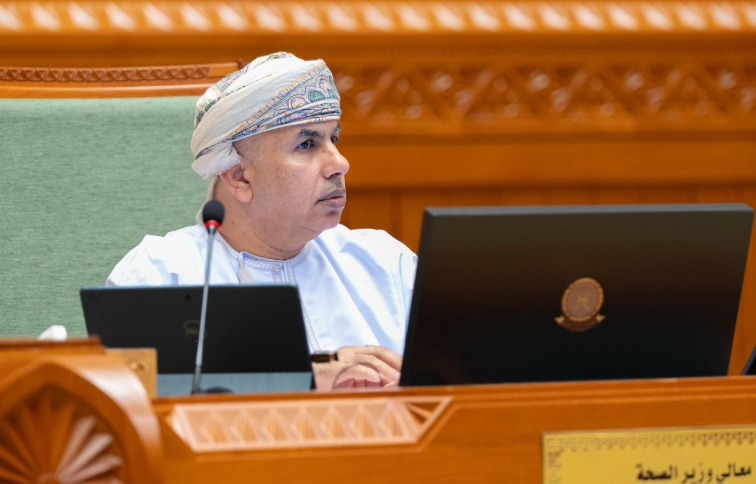

MUSCAT : Members of Shura Council have called for wide-ranging reforms to enhance the quality, efficiency, and sustainability of healthcare services in the Sultanate, as discussions continued for a second day on the statement of His Excellency Dr. Hilal Ali Al Sabti, Minister of Health.
Interventions and observations by Members focused on a range of key challenges and priority issues related to healthcare quality, sustainability of the health system, and the efficiency of human and medical resource management, as well as ways to further develop healthcare services in line with national aspirations and the objectives of Oman Vision 2040.
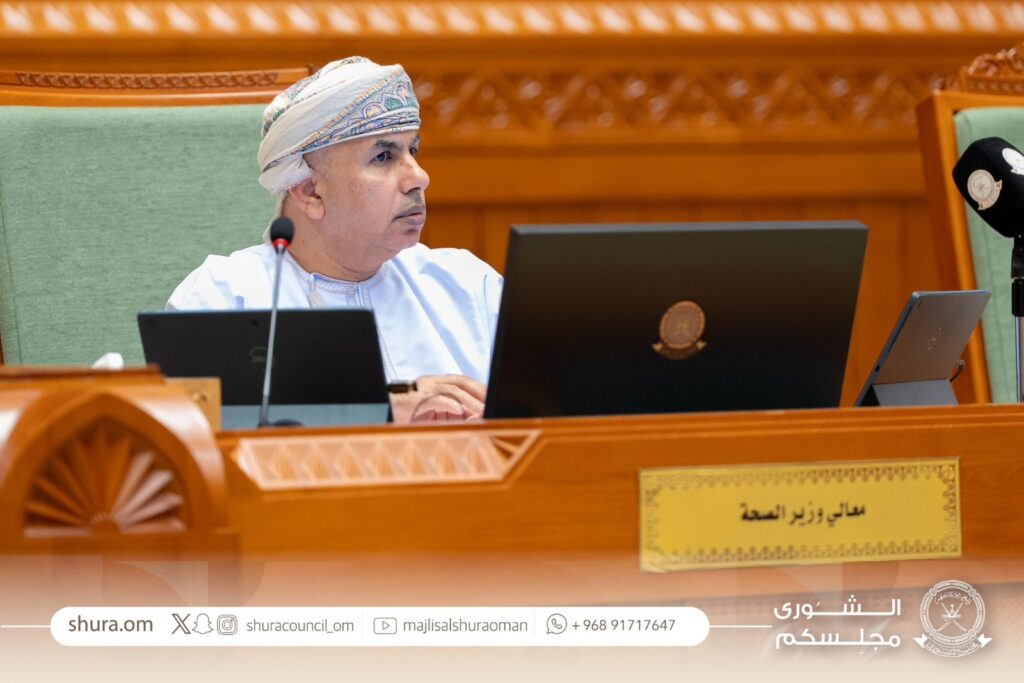
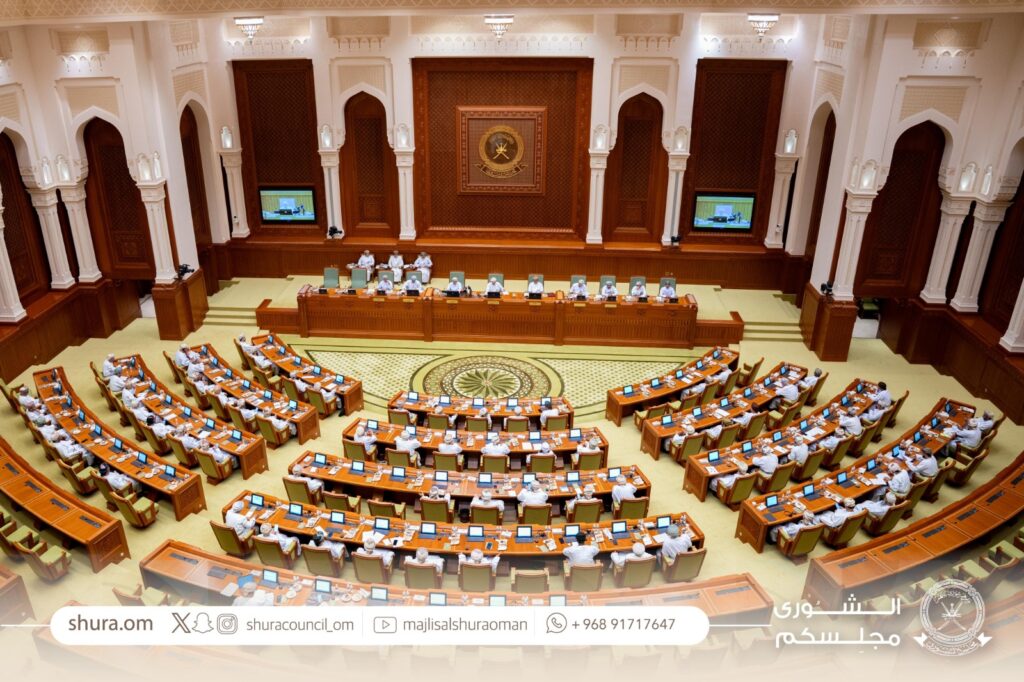
The discussions took place during the 17th regular sitting of the third annual session (2025–2026) of the council’s tenth term, chaired by His Excellency Khalid Al Maawali, Chairman of the Shura Council.
During the discussion, Members emphasised the importance of strengthening pharmaceutical security across all governorates, noting challenges related to improper storage of medical supplies and shortages in some health institutions. They called for the establishment of specialised medical storage facilities at the governorate level to ensure the continuous availability of medicines and medical supplies, particularly for chronic diseases, and to reduce the financial burden on citizens who are compelled to purchase them from private pharmacies.
Members also highlighted variations in the quality of certain medicines and inconsistencies in their availability, stressing the need to strengthen pharmaceutical oversight, enforce strict standards for evaluating the quality and effectiveness of medicines, ensure their safe use, and enhance monitoring of prices and quality in private pharmacies.
Interventions further addressed challenges related to medical personnel, with Members noting a shortage in nursing staff and low Omanisation rates in certain specialisations, leading to increased workload pressures and affecting service quality. In this regard, they stressed the need for clear plans to attract and train national cadres, improve the working environment, and reduce reliance on expatriate staff.
Members also underscored the importance of strengthening coordination and integration between the Ministry of Health and educational and academic institutions in the Sultanate of Oman, including universities, colleges, and health institutes, to align educational outputs with the actual needs of the health sector, particularly in specialised and high-demand fields. They called for the development of targeted education and training programmes and the introduction of specialised tracks to bridge existing gaps and create sustainable employment opportunities for national competencies.
In a related context, Members raised the issue of empowering allied health personnel, emphasising the importance of job equity and accelerating promotions to enhance job stability and encourage enrolment in health professions. They also called for reconsidering the inclusion of medical records staff and administrative personnel within the medical cadre framework, in recognition of their vital role in the healthcare system.
Members also addressed the conditions of ambulance drivers, calling for a review of their employment status and regularisation, given the nature of their field work and associated risks.
On human resources, Members questioned the reasons behind the migration of national medical competencies, noting the resignation of several doctors within short periods without replacement, and stressed the need for clear policies to retain and motivate medical professionals to ensure system stability and continuity of high-quality services.
Regarding job stability, Members called for the regularisation of contract employees, particularly those working under programmes such as “Sahem,” due to its positive impact on social and professional stability. They also called for reviewing shift systems and providing fair incentives commensurate with the nature of work in the health sector.
Interventions also addressed the conditions of some public health facilities, with Members noting limited capacity and inadequate readiness in certain health complexes. They called for the establishment of specialised clinics in areas such as diabetes, asthma, nutrition, and diabetic foot care, in addition to studying the establishment of specialised hospitals for women and children. They also proposed providing medicine delivery services for the elderly and patients with chronic conditions to improve access and reduce burdens.
Members further raised questions regarding delays in projects to expand intensive care units in several wilayats and governorates, stressing the importance of upgrading them in line with modern medical standards and growing demand.
On health planning, discussions emphasised the need for a comprehensive strategy to ensure the sustainability of the health system, including clear mechanisms to measure spending efficiency, ensure service quality, and achieve equitable access across governorates. Members also addressed the regulation of the private health sector, calling for stricter oversight of service pricing, prevention of exploitative practices, and ensuring consumer protection and market balance.
In a related context, Members raised several public health concerns, including the increasing prevalence of diseases among youth such as strokes, hypertension, diabetes, and mental health conditions. They called for preventive programmes, awareness campaigns, and specialised scientific studies to examine the causes of these conditions, including certain types of cancer, in coordination with relevant entities.
Members also presented several development proposals aimed at enhancing the efficiency of the health sector, most notably accelerating digital transformation through expanded use of modern electronic systems, developing smart health applications supported by artificial intelligence to manage appointments based on medical priority and reduce waiting times, and activating telemedicine services and electronic prescriptions to improve accessibility, operational efficiency, and reduce pressure on healthcare institutions.
For all the latest news from Oman and GCC, follow us on Twitter, Instagram and LinkedIn, like us on Facebook and subscribe to our YouTube page, which is updated daily.
Read More
- Indian School Al Ghubra retains TAS badminton crown as Indian School Muscat finishes runner-up
- Nepal, Oman seek faster labour pact, discuss Omani embassy in Kathmandu
- Oman voices solidarity with Saudi Arabia, rejects targeting of civilian facilities
- International Financial Centre of Oman nears operational readiness by 2027
- Oman targets $66mn investment to build aviation hub





