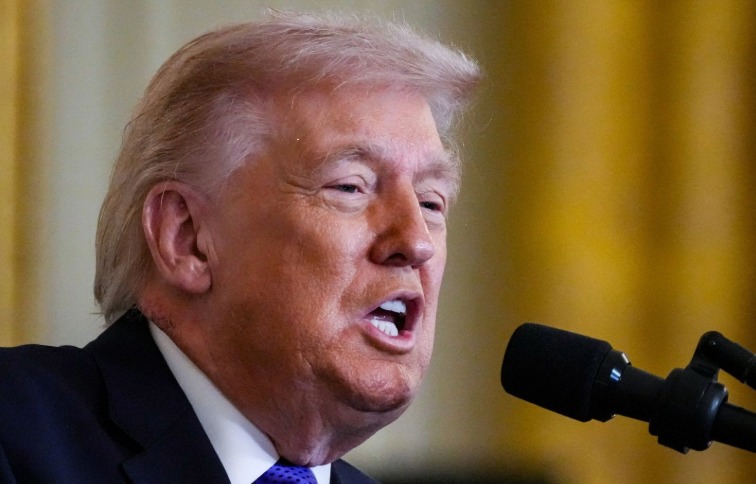

Washington: In a series of posts on Truth Social over the weekend, Trump warned Tehran to reopen the Strait of Hormuz, one of the world’s most critical oil transit routes, or face severe military consequences. He indicated that the United States could target Iran’s infrastructure, including power plants and bridges, if demands are not met.
The warnings come as a self-imposed U.S. deadline approaches, with Washington pressing Iran to restore access to the strategic waterway, which has effectively remained shut since tensions escalated in late February. The closure has already led to rising oil prices and growing concerns over global energy supply chains.
“Tuesday will be Power Plant Day, and Bridge Day, all wrapped up in one, in Iran. There will be nothing like it!!!” he said.
Read More
- CBSE chairman, secretary transferred as committee formed to probe irregularities
- Abu Dhabi freezes all rent hikes across residential, commercial and industrial properties
- Oil prices rise by more than 2%
- Kuwaiti air defences intercept missile and drone attacks
- Israeli airstrikes on southern Lebanon kill and injure civilians
Trump had earlier stated that Iran had been given a limited timeframe to either reach a deal or reopen the Strait, warning that “time is running out” and hinting at imminent military escalation. His remarks also appeared to call on NATO allies to take a more active role in ensuring the passage remains open.
However, U.S. allies have shown reluctance to support direct military intervention. The United Kingdom recently convened a meeting of 41 countries to discuss diplomatic and strategic measures to reopen the Strait, while placing responsibility on Tehran for disrupting global trade.
Meanwhile, Emmanuel Macron publicly distanced France from any offensive operations, emphasizing that European nations were not involved in initiating the conflict and would not automatically support unilateral military action.
Frustrations among allies have also grown over the lack of coordination surrounding recent U.S.-Israeli operations in Iran, particularly concerning the absence of a clear plan to secure the Strait of Hormuz during the escalation.
The latest developments follow a reported U.S. military strike last Thursday targeting a major bridge in north-central Iran. According to U.S. defense officials, the strike aimed to disrupt Iran’s military logistics by cutting off a key supply route used for ballistic missiles and drone operations.





