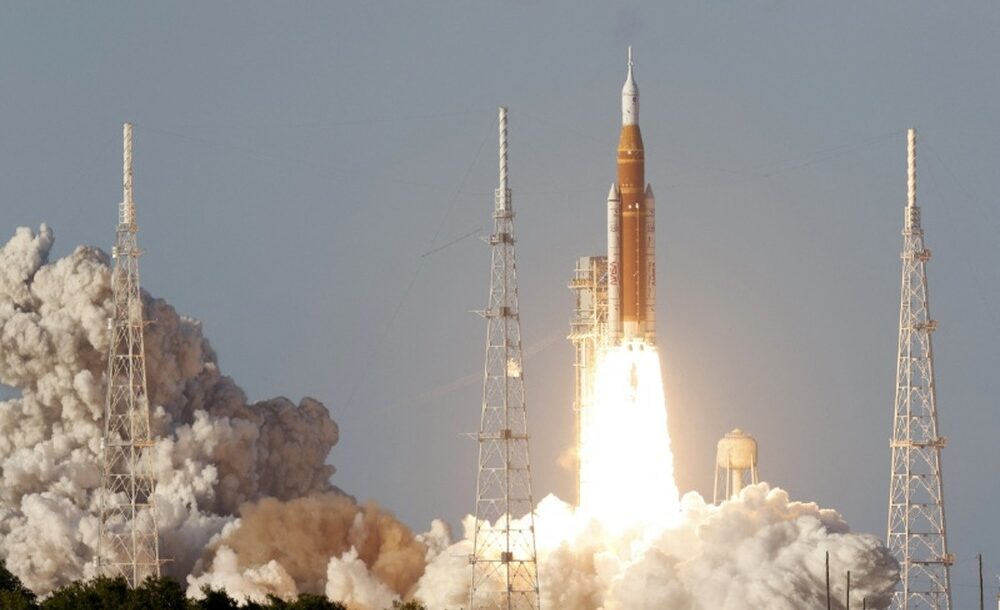

FLORIDA – The ten-day mission will carry the crew into lunar orbit without landing, a critical step toward NASA’s goal of returning humans to the moon, with a planned landing set for 2028. The mission is also viewed as part of a broader effort to maintain U.S. leadership in space exploration amid international competition, including China’s pursuit of its first manned lunar landing.
NASA aims to establish a lunar base in the coming years before eventually sending astronauts to Mars.
The mission carries significant risks. The spacecraft has never before transported humans beyond Earth orbit, and it must travel more than 384,000 kilometres to reach the moon – roughly a thousand times farther than the International Space Station, which orbits at approximately 400 kilometres above Earth.
Read More
- Iran hosts Saudi Arabia, Türkiye and Pakistan for regional security talks
- 80-year-old Lula wins fourth presidential term, keeping Brazil’s left in power
- Over 1,300 arrested in France during second weekend of cost-of-living protests as widespread unrest sweeps Europe
- IndiGo cancels Riyadh flights until October 31, 3 other Saudi routes until October 27 amid evolving security situation
- UAE closes all beaches in Umm Al Quwain after tanker oil spill detected





