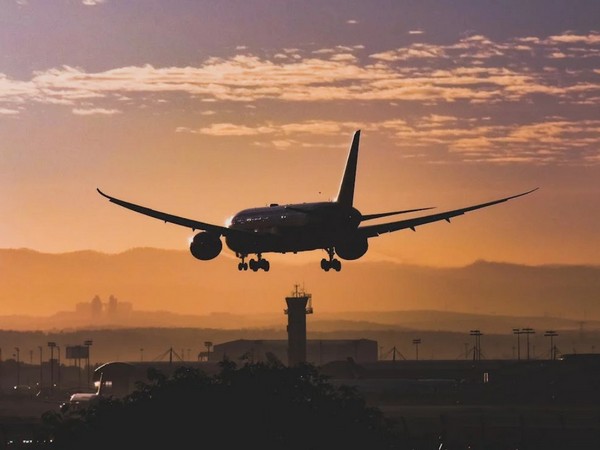

MUSCAT : The mandatory software and hardware updates, triggered by a flight-control issue linked to intense solar radiation, have prompted warnings of delays, operational reshuffles, and potential cancellations across major airlines. While some countries are reporting rapid stabilisation, aviation regulators caution that disruptions may continue as carriers race to complete the fixes.
The European Aviation Safety Agency (EASA) and other regulators immediately issued Airworthiness Directives, requiring operators to apply software patches before their next scheduled flight. With nearly half of Airbus’s global fleet, around 6,000 aircraft, affected, carriers are preparing for what aviation experts are calling “a major air crisis.”
Aviation specialist Subhash Goyal warned that the scale of the issue is unprecedented: “Globally, over 6,000 A320-family jets may be affected, including around 250 in India alone. Newer aircraft need only a two-to-three-hour update, but older jets could require up to two days.”
Major airlines including American Airlines, Delta, United, Air India, Wizz Air and Air New Zealand have all flagged the possibility of delays as engineers work around the clock to install the fixes. In the US, the timing coincides with the busy Thanksgiving travel period, compounding pressure on carriers.
American Airlines confirmed 209 affected jets from its A320 family, with most updates completed on Friday and remaining aircraft expected to finish by Saturday. Minor delays are expected, but cancellations have been kept to a minimum.
Delta Air Lines reported fewer than 50 A321neo aircraft affected.
United Airlines identified six planes requiring updates, anticipating only slight disruptions.
Hawaiian Airlines remains unaffected.
Across Europe, operations are gradually stabilising. French Transport Minister Philippe Tabarot said the situation at airports is “almost completely back to normal,” following overnight updates. In the UK, British Airways required work on only three aircraft, while EasyJet notified passengers of possible schedule adjustments. Germany’s Lufthansa completed most updates by Saturday morning, reporting minor delays but no major cancellations. Scandinavia’s SAS also confirmed normal operations after overnight fixes.
Read More
- Typhoon Noul hits southern China, forcing evacuation of over 340,000 people
- 32 civilians killed in armed attacks in eastern DR Congo
- Pralhad Joshi appointed as India’s new education minister after Pradhan quits amid NEET protests
- India education minister Dharmendra Pradhan resigns amid CJP protests
- Starship completes 13th test flight, launches 20 advanced Starlink satellites
In the Gulf, Bahrain’s national carrier Gulf Air announced that its A320 fleet is now fully compliant after promptly conducting all mandatory updates and checks under Airbus’s latest Alert Operations guidelines. The airline says its A320 services have returned to normal with all safety requirements met.
Meanwhile, AirAsia has begun rolling out the urgent EASA-mandated software rollback across selected A320-family aircraft. The airline warned that flight operations may be adjusted over the next 48 hours, urging passengers to check the AirAsia MOVE app, AskBo chatbot or registered email for updates. Group CEO Bo Lingam said teams are “working around the clock” to comply while minimising disruption.
India, one of the largest A320 markets, faces widespread disruption as airlines coordinate the update schedule. With around 250 affected aircraft, experts caution that older jets may take significantly longer to repair, posing challenges for domestic travel, tourism and business connectivity.
For all the latest news from Oman and GCC, follow us on Twitter, Instagram and LinkedIn, like us on Facebook and subscribe to our YouTube page, which is updated daily.





