
MUSCAT – Held in Muscat, the workshop discusses the ground reality of monitoring environmental dimension indicators in the GCC states in accordance with the availability of data.
The workshop also reviews national and regional efforts to follow up the indicators of SDGs, showcases environment-related statistical programmes and projects and explores opportunities to develop the mechanisms of coordination among parties that produce environmental data.
In addition, the workshop studies the experiences of international organizations like the Economic and Social Commission for Western Asia (ESCWA) and the United Nations Environment Programme (UNEP).
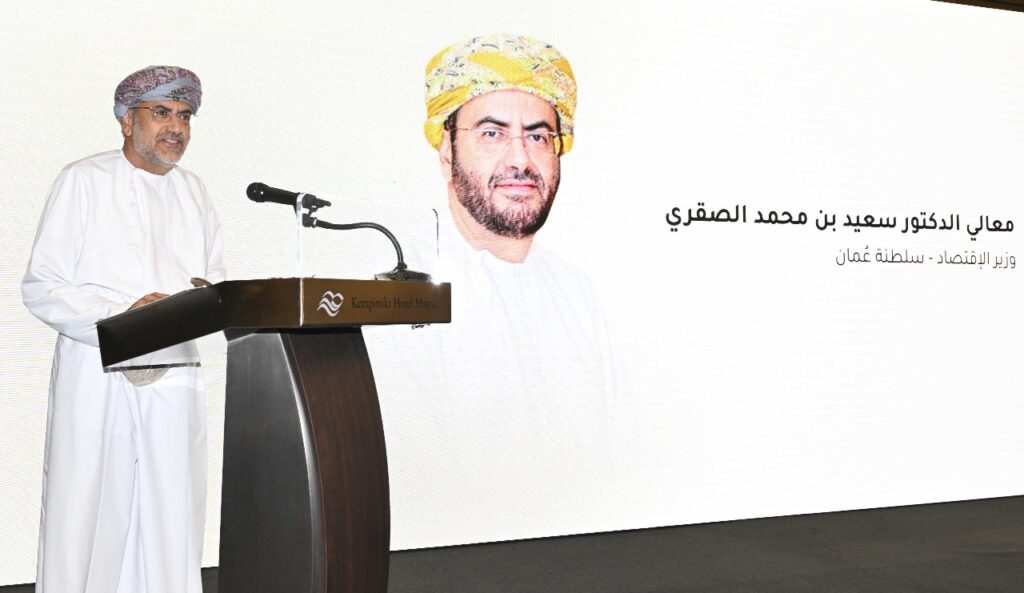
His Excellency Dr. Said Mohammed Al Saqri, Minister of Economy, said that the workshop reflects the need to enhance statistical efforts on monitoring the progress made in environmental and sustainable development indicators in GCC states.
His Excellency Dr. Said commended the central role of the GCC-STAT in unifying efforts, coordinating data exchange channels and developing modern measures for collecting, processing and disseminating data.
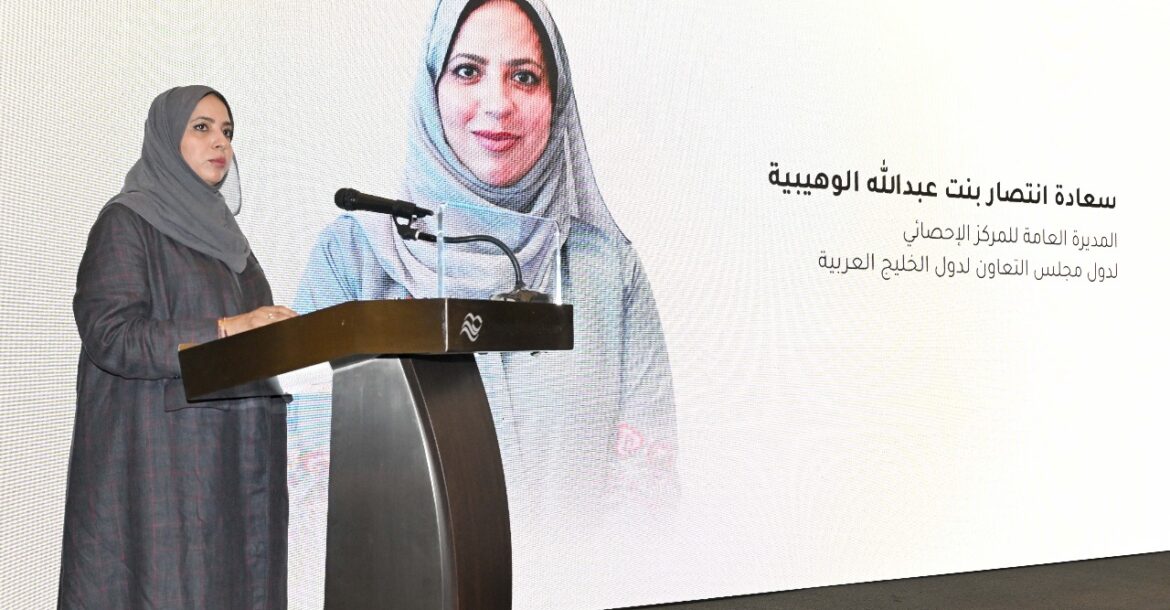
Intisar Abdullah Al Wahaibi, Director General of the GCC-STAT, said, “The workshop aims to enhance coordination among producers of environmental data and national statistical institutions—to ensure that statistical action is aligned with international methods and to promote integration between national and GCC efforts in providing necessary data and statistics to track progress.

The programme of the first day of the workshop included visual presentations on environment-related sustainable development indicators, environment statistics from GCC countries and methods of collecting and disseminating data.
During a special session, experts from the ESCWA and the UNEP spoke about modern monitoring applications and environmental data collection practices.
The second day’s programme focuses on success stories in monitoring environmental indicators. It also includes a session on building capacities and enhancing coordination between environmental bodies and national statistical establishments.
The regional workshop was attended by representatives of Gulf statistical departments, national environmental bodies, research and academic institutions and regional and international organizations specialized in environment-related statistics and sustainable development.
Read More
- Oman records highest temperature of 46.2°C
- Heavy rain and hail lash Oman’s Al Buraimi, triggering wadi flows
- Honourable Lady visits Omani Women’s Association in Salalah
- Oman Foreign Minister holds talks with Tunisia, Brunei on bilateral ties and global developments
- Oman, Kazakhstan review bilateral ties and regional developments





