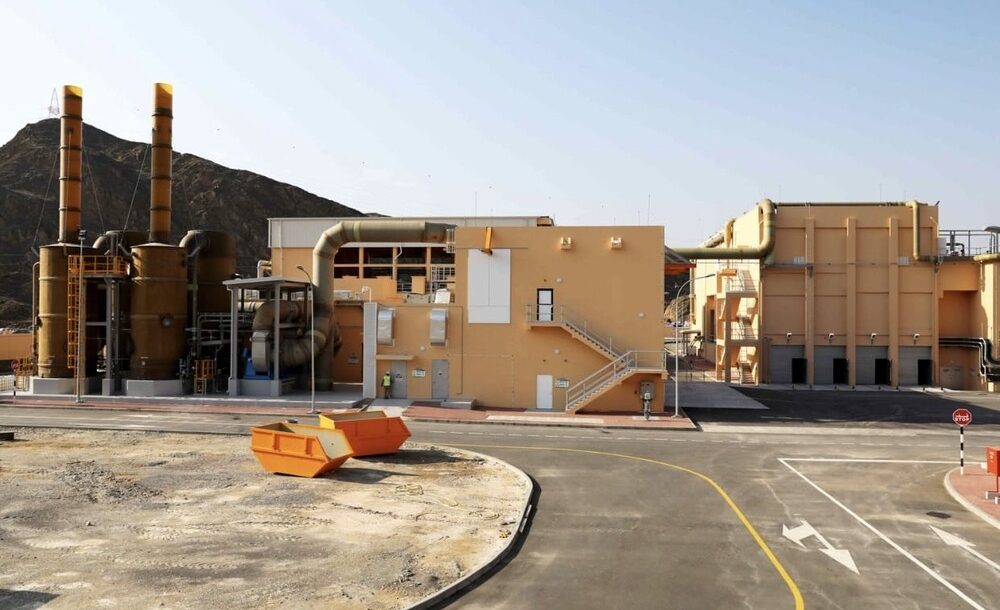

MUSCAT – The initiative forms part of the Authority’s efforts to promote sustainable water resource management, assess the efficiency of treatment systems, and explore the potential for safe water reuse.
Dr. Imran bin Mohammed Al Kamzari, Director of the Environmental Quality Department at the Environment Authority, told the Oman News Agency that the study comes in response to the growing challenges posed by water scarcity in Oman, which relies primarily on seawater desalination and limited groundwater resources to meet rising demand.

He explained that sewage and industrial wastewater treatment plants are key components of the national water management system, playing a vital role in water reuse and reducing pressure on natural sources.
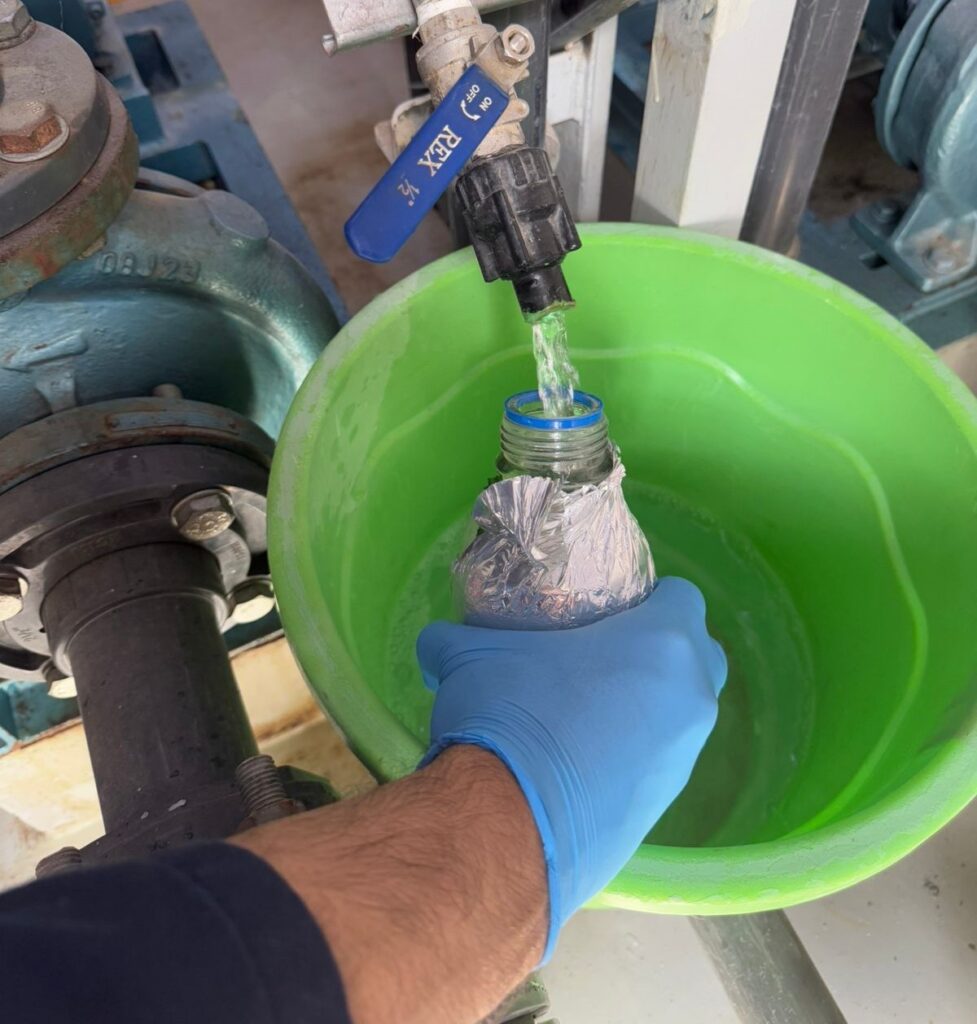
The project focuses on analysing the physical, chemical, and biological quality indicators of treated water, including pH levels, suspended solids, dissolved oxygen, organic and inorganic pollutants, and heavy metals. The study involves field data collection and laboratory testing to ensure accurate and reliable results.
According to Dr. Al Kamzari, the national survey covers 217 treatment plants across all governorates of Oman over a two-year period (2024–2025). Field teams have conducted visits to all targeted sites, collecting samples of treated water under strict scientific protocols to guarantee result accuracy and analytical integrity.
Read More
- Omani man detained over unauthorised marriage promotion on social media
- His Majesty Sultan Haitham champions dialogue and peace in Windsor speech
- Former Times of Oman Sports Editor TK Mohandoss passes away
- His Majesty Sultan Haitham tours Royal Collection exhibition with King Charles and Queen Camilla
- Oman’s Dhank signs five development agreements worth about RO200,000
He added that the study aims to develop an integrated national database on treated water quality in Oman. This database will support enhanced environmental and water management planning, strengthen sustainability initiatives, and help balance development needs with the protection of natural resources.