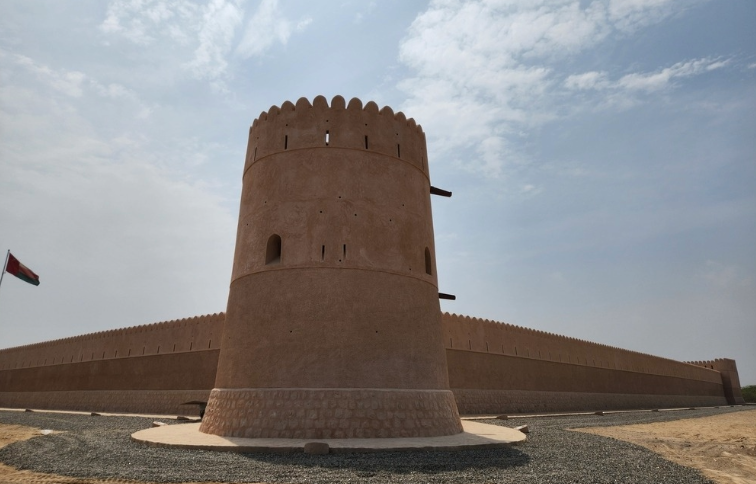

MUSCAT – The project included restoring the defensive towers and walls, rehabilitating internal corridors, and reinforcing the structure, as part of the Ministry’s ongoing programme to preserve and protect historical sites across the Sultanate.
Khalifa Al Wahaibi, Head of the Restoration and Maintenance Department at the Directorate General of Antiquities, explained that the project followed a detailed assessment of the wall’s condition, identifying areas of damage caused by natural factors. He added that the restoration work utilised traditional local materials, including mortar, lime, and sand, to maintain the building’s authenticity and preserve its distinct Omani architectural character.
Read More
- Oman Maritime Security Centre outlines requirements for foreign vessels in territorial waters
- Oman seeks public input on replacing plastic water bottles
- Oman’s elderly population reaches 188,390 as deaths fall 45%: NCSI
- Oman’s Labour Ministry urges job seekers to activate job-search status monthly
- INS Ranvijay docks in Salalah as India, Oman boost maritime ties
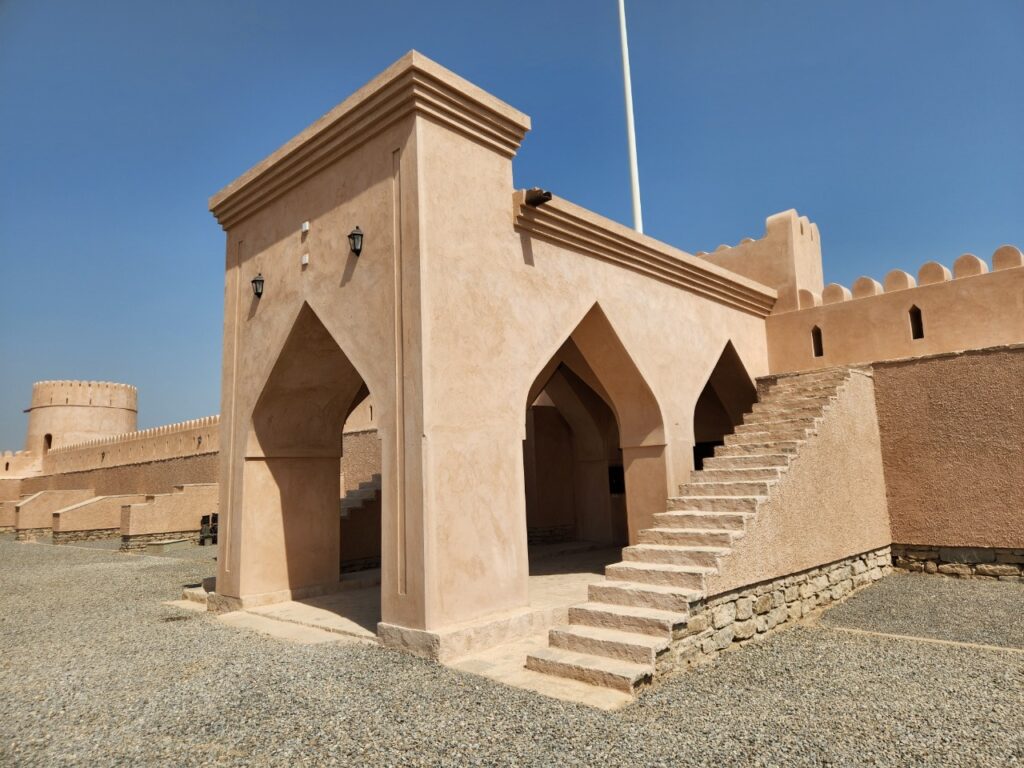
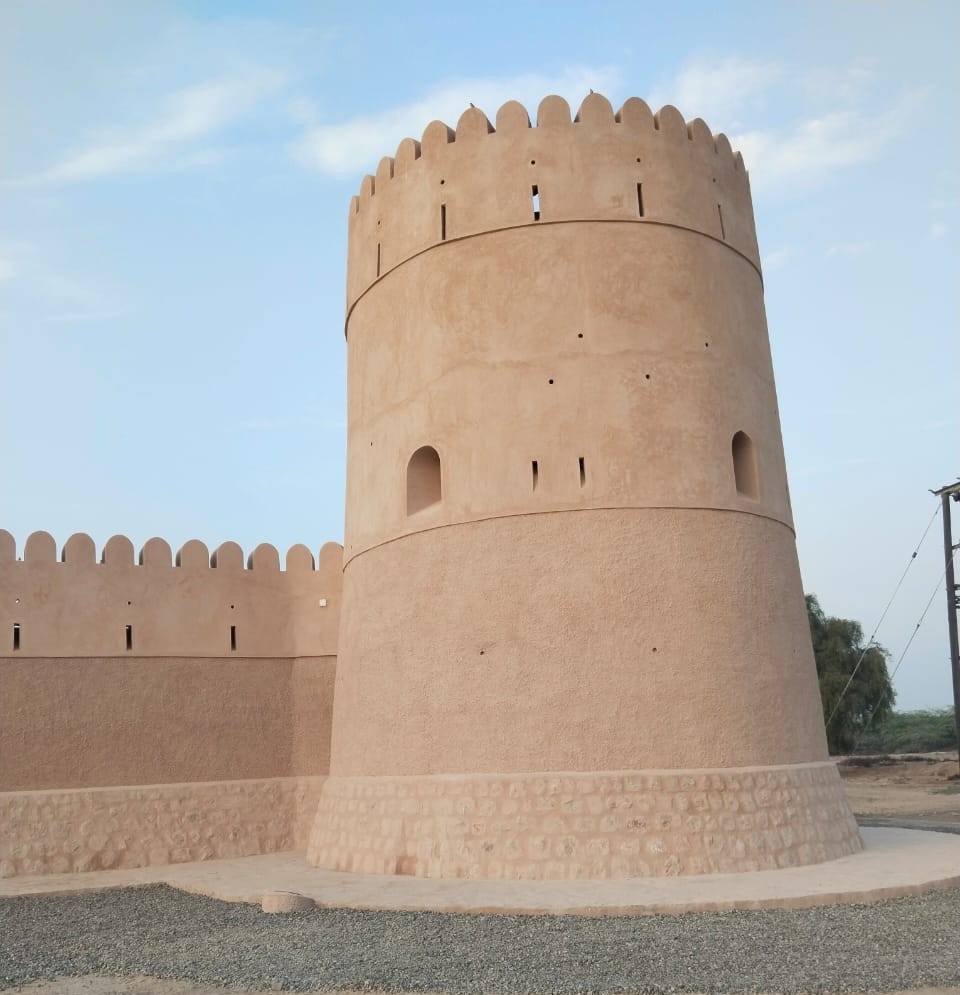
Al Hilal Wall is one of Oman’s prominent historical landmarks, dating back to approximately 1845 during the reign of Sayyid Said bin Sultan Al Busaidi. The structure features a trapezoidal design covering roughly 10,287 square metres, including a small fort with three defensive towers, internal rooms for storage and accommodation, and passages used by archers and defenders.
The total cost of the project amounted to RO 186,822. The maintenance work involved restoring damaged towers, treating cracks and collapses, reinforcing the walls, and applying traditional paint layers using local materials, all under the supervision of the Restoration and Maintenance Department.
Engineer Khalisa bint Khalifa Al Salmiya, Director of the Restoration and Maintenance Department, emphasised the Ministry’s commitment to safeguarding archaeological sites across Oman. She noted that the Al Hilal Wall project is part of a series of initiatives aimed at highlighting the cultural and historical value of heritage landmarks while promoting sustainable tourism in the region.
The Al Hilal Wall remains a testament to Al Suwaiq’s rich history and its commercial significance in the mid-twentieth century, serving as a hub for the exchange of local goods and products. Its distinctive defensive architecture continues to reflect the craftsmanship of traditional Omani construction.





