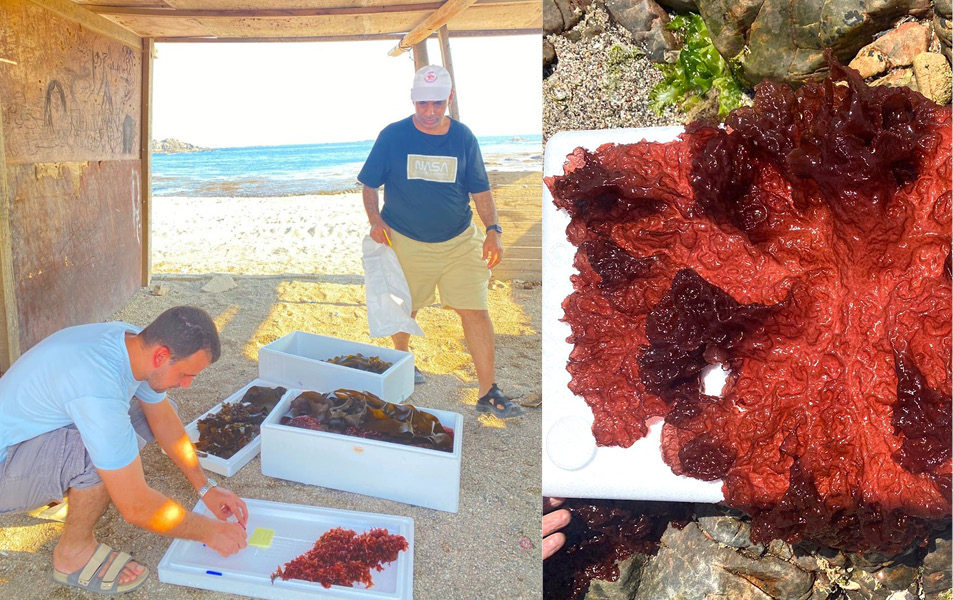

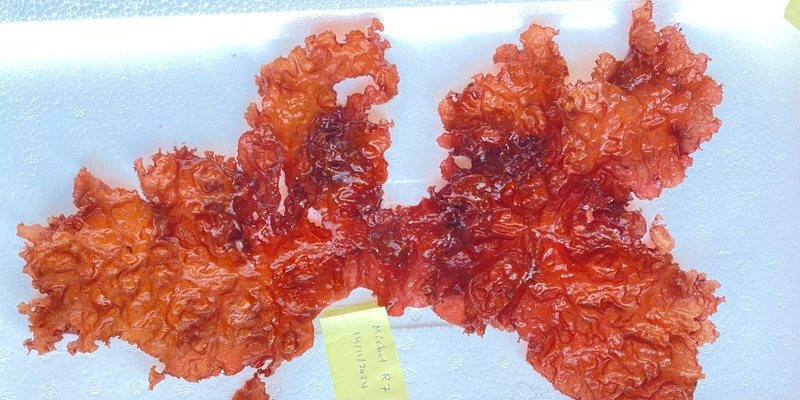
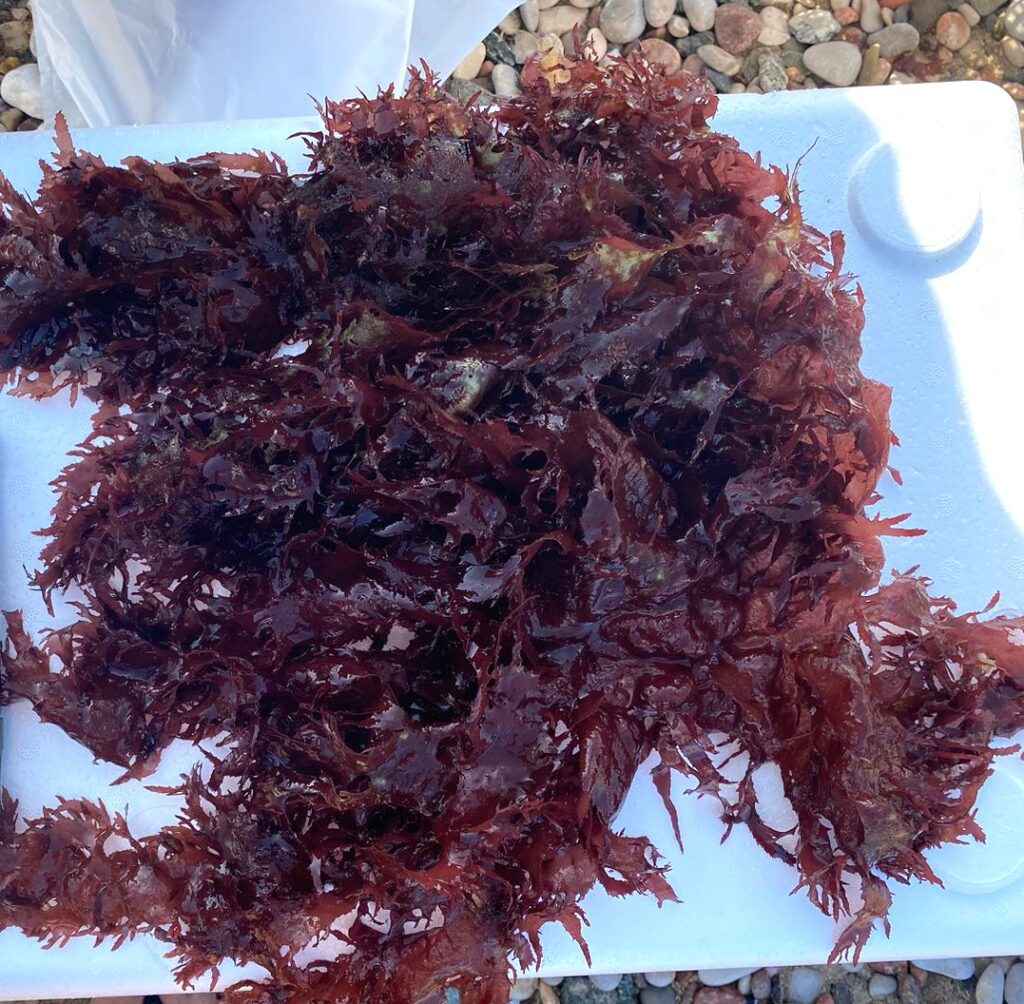
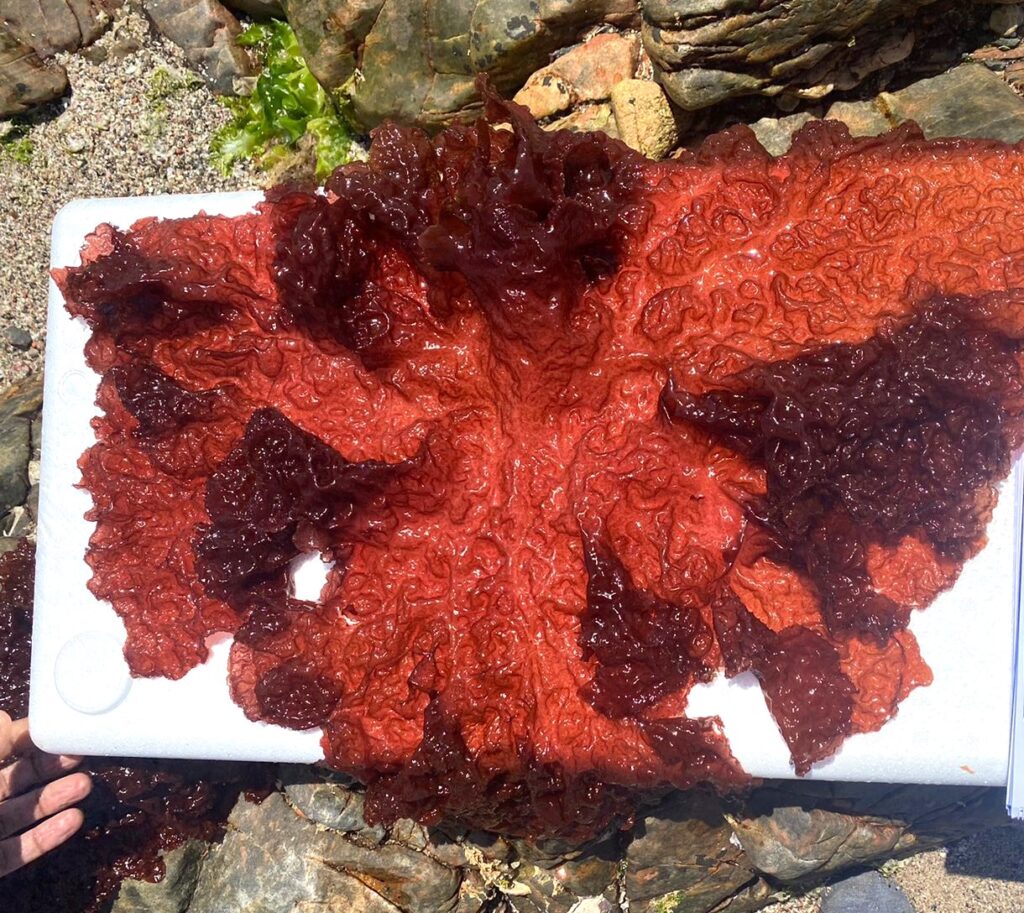
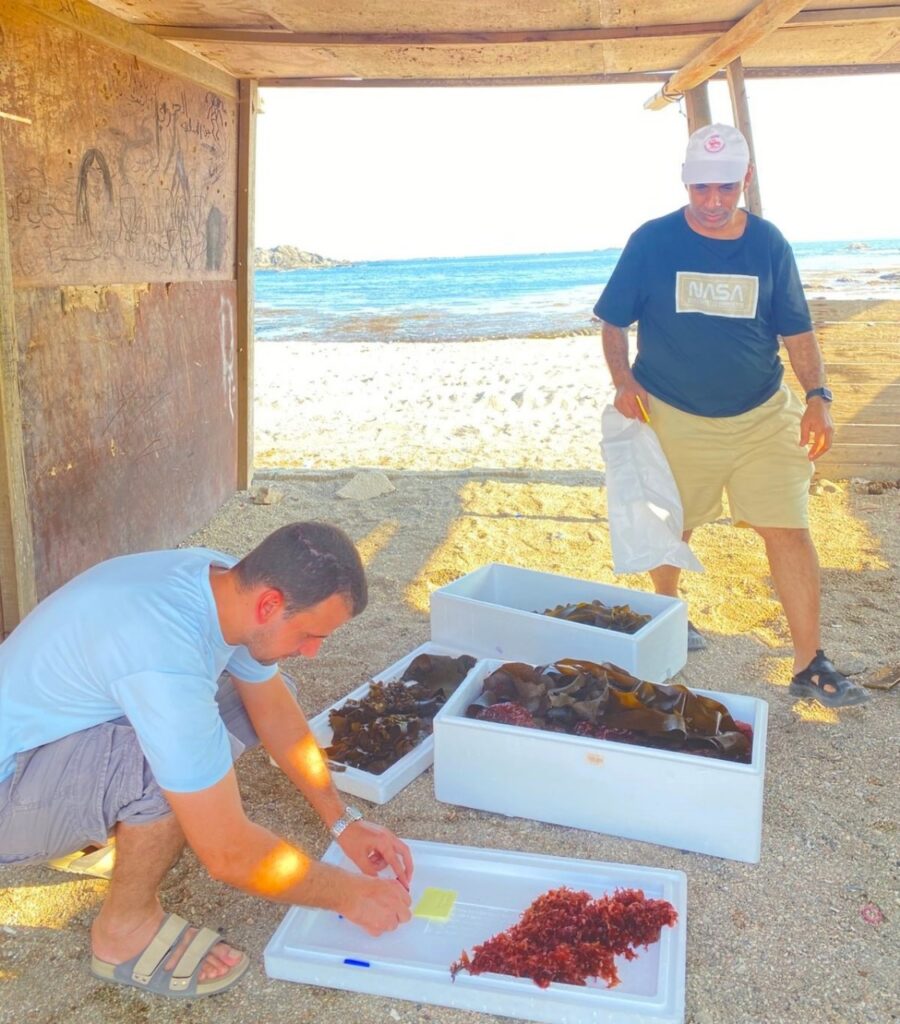
MUSCAT : The research, led by Dr. Ahmed bin Ali Al-Alawi, Associate Professor at SQU’s College of Agricultural and Marine Sciences, highlighted Dhofar Governorate as home to most of the unique species. Seaweeds, classified into brown, green, and red algae, were studied across their growth stages to assess their characteristics and economic potential.
Dr. Al-Alawi explained that seaweeds are already widely used in East Asian cuisines and industries but remain untapped in Oman. Globally, demand for seaweed is surging, valued at $18 billion in 2024 and projected to grow to $44 billion by 2034.
The study identified Omani seaweeds with the ability to produce proteins, colloidal materials, and high-efficiency pharmaceuticals, while also offering strong potential for carbon dioxide absorption, an asset in tackling climate change. Beyond food, seaweed is rich in bioactive compounds, making it valuable for applications in medicine, cosmetics, and agriculture.
Read More
- Oman moves to ensure essential goods supply, price stability as CPA meets retailers
- 13 expats arrested for gambling in Muscat
- His Majesty Sultan Haitham expresses condolences to Jordan King over church attack
- Two arrested in Muscat for possessing crystal meth
- Reposting offensive content on social media could lead to jail, fines in Oman, legal experts warn
Dr. Al-Alawi stressed the opportunity for Oman to leverage seaweed as a sustainable natural resource in line with economic diversification goals.
For all the latest news from Oman and GCC, follow us on Twitter, Instagram and LinkedIn, like us on Facebook and subscribe to our YouTube page, which is updated daily.





