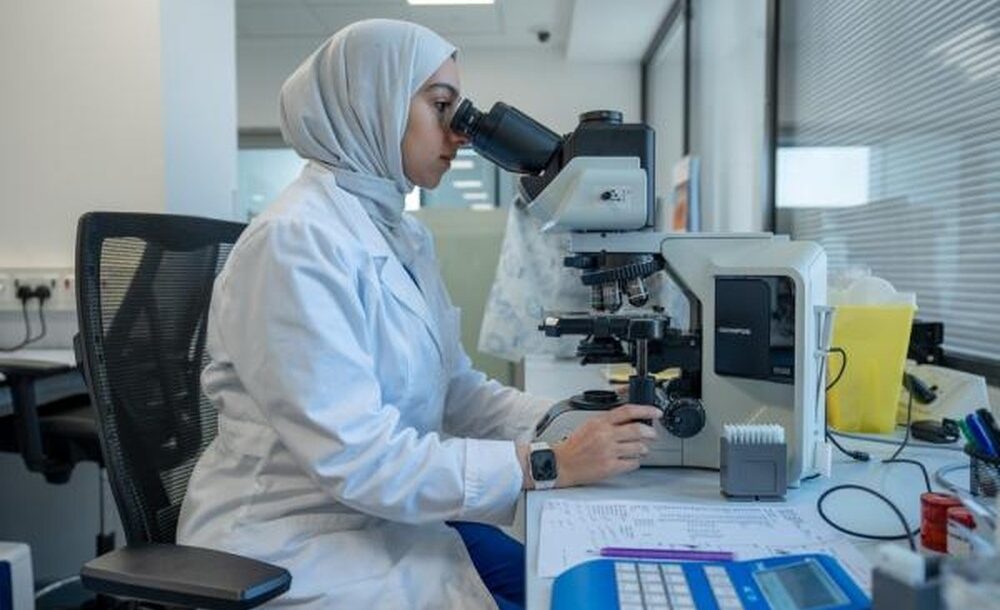

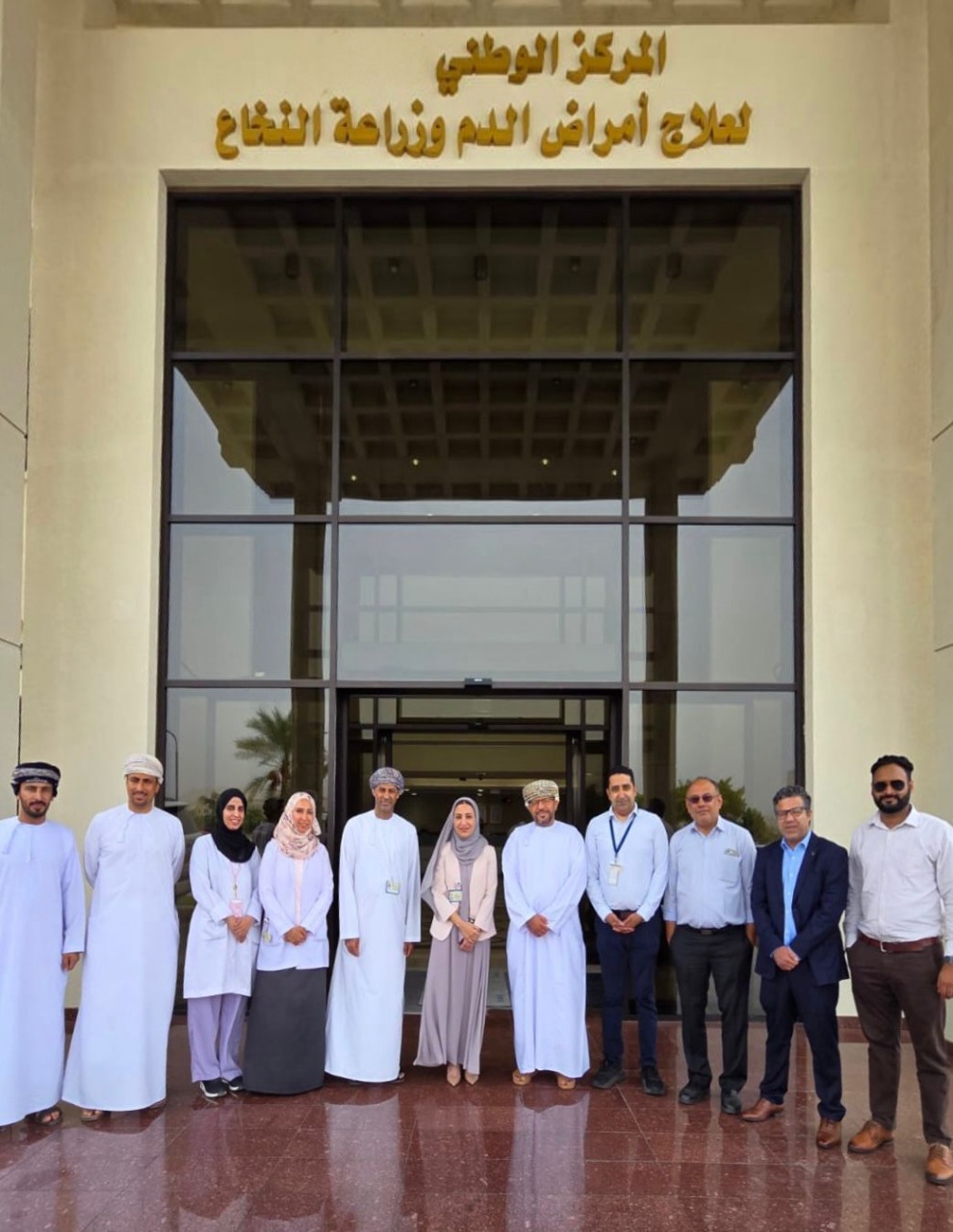
MUSCAT – The groundbreaking procedure was carried out by the University Medical City, through its National Centre for Blood Diseases and Bone Marrow Transplantation, marking a significant milestone in advanced cancer care within the country.
This success represents a pioneering medical achievement, placing the Sultanate of Oman among the regional centres providing precise and advanced treatments for blood cancer patients. CAR-T therapy is one of the latest immunotherapies, where T cells are collected from the patient, genetically modified, and then reinjected to precisely target cancer cells.
This treatment has shown exceptional results in patients with B-cell acute lymphoblastic leukemia (B-ALL) and diffuse large B-cell lymphoma (DLBCL), especially in patients who do not respond to conventional treatments.
Read More
- Oman calls for non-aggression pact among Gulf nations, says Sayyid Badr Al Busaidi
- Youth are the pillar of Oman’s development and future, says minister
- His Majesty Sultan Haitham issues decrees amending Council of Oman, Shura election laws
- Oman moves to ensure essential goods supply, price stability as CPA meets retailers
- 13 expats arrested for gambling in Muscat
Dr. Ibrahim bin Mohammed Al Nabhani, Assistant Professor at the College of Medicine and Health Sciences at Sultan Qaboos University and Consultant Haematologist at the University Medical City, described the achievement as a landmark in Oman’s healthcare journey. He pointed out that the treatment was previously limited to a small number of international centres, which gives patients and their families hope that they will receive it at the University Medical City in the Sultanate of Oman.
“This achievement reflects the rapid development of the healthcare sector in the Sultanate of Oman in the field of biomedical innovation, which provides highly effective treatment and a pivotal impact on improving the health of patients,” he stated.
Professor Dr. Murtadha bin Khamis Al Khabouri, Senior Consultant in Haematology and Head of the Haematology Department at the University Medical City, emphasised the collaborative efforts behind the successful implementation. “The implementation of the treatment was the result of cooperation between the Lymphoma and Myeloma, Bone Marrow Transplantation and Cell Therapy team at the National Centre for Blood Diseases and Bone Marrow Transplantation at the University Medical City, the Department of Treatment Abroad at the Ministry of Health, and academic partners from the Fortis Memorial Research Institute. Our aim was to localise modern medical technologies, establishing a national centre for advanced treatments, and transferring research results to clinical application,” he explained.
Dr. Sultan bin Salem Al Harthy, Director of the Department of Overseas Treatment Affairs at the Ministry of Health, stressed the broader significance of this accomplishment. “The introduction of this treatment through the University Medical City represents a step toward medical self-sufficiency and reducing treatment costs compared to sending patients abroad. This is achieved through significant investments in training national cadres and cooperation with international centres to ensure its implementation in accordance with international standards,” he added.





