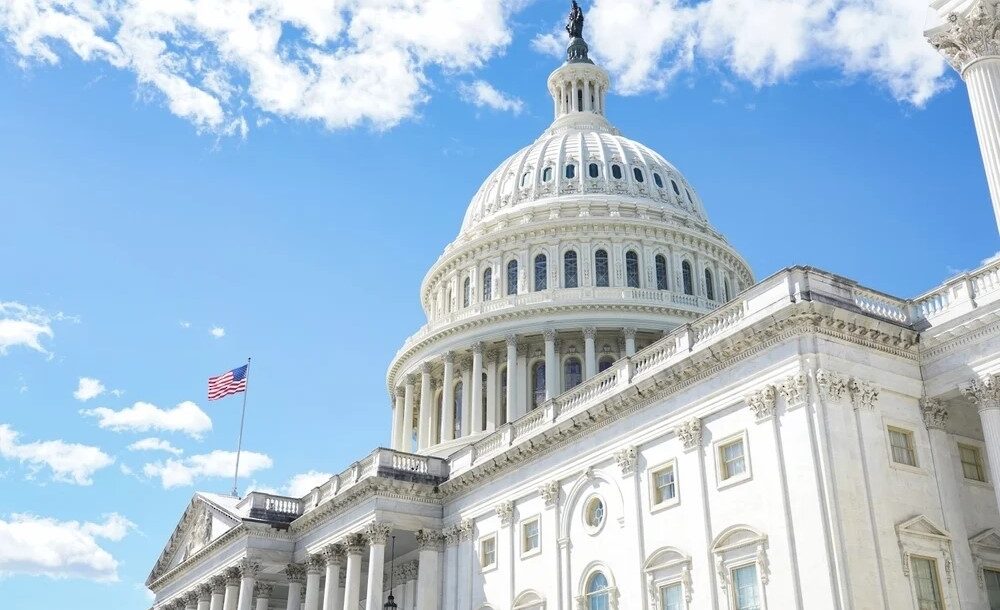

WASHINGTON: The bill passed the House of Representatives with 218 votes in favor and 214 against, following a contentious debate that highlighted stark disagreements between party lines. The slim margin reflected ongoing partisan tensions over the bill’s economic implications.
Having already cleared the Senate last Tuesday, the legislation now heads to President Trump’s desk for final signature and enactment into law.
Touted by the administration as a move to revive economic momentum, the bill introduces broad tax reductions and extends generous tax breaks to a majority of American families. Supporters argue it will enhance purchasing power and encourage growth in consumer spending and investment.
Read More
- Cyclone Murasu makes landfall in India’s Andhra Pradesh, thousands evacuated
- “Another milestone in India’s space journey”: MEA congratulates ISRO on GSLV-F18 launch
- Air India gets DGCA approval for flying academy in Maharashtra
- Nine dead, five injured after oxygen cylinder explodes inside ambulance in Pakistan
- Cyclone Arnab kills three in eastern India
However, the bill has stirred controversy for its proposed cuts to key public health insurance programs, particularly those serving low-income citizens. Critics — including several lawmakers and social welfare advocates — have warned the reductions could jeopardize healthcare access for millions.
Adding to the concerns, congressional economists estimate the legislation will swell the national debt by over $3 trillion in the coming decade, prompting debate about its long-term impact on fiscal stability.





