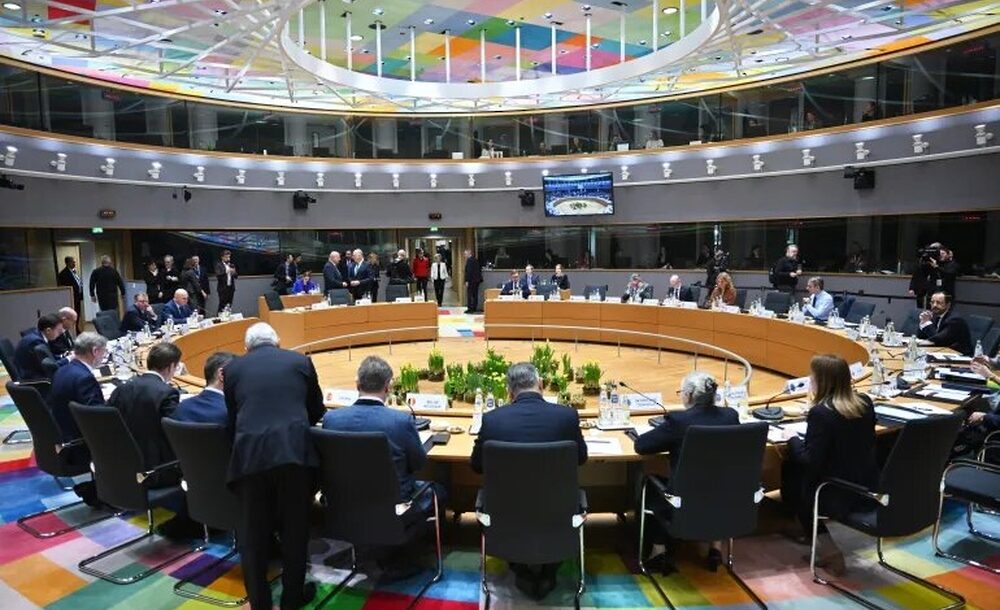

Brussels: The two-day European Council summit opened with firm words from Council President António Costa, who reaffirmed the bloc’s unwavering backing for Ukraine in its fight against Russian aggression. “Ukraine has been steadfast in its efforts to enable a genuine peace process, and the European Union will remain equally steadfast in its support for Ukraine,” Costa stated.
At the top of the agenda is a potential extension of existing sanctions on Russia, alongside discussions on the proposed 18th sanctions package from the European Commission. The package includes fresh restrictions on Russia’s energy and banking sectors as part of the EU’s continued pressure on Moscow.
While the majority of EU member states stand firmly behind Kyiv, Hungarian Prime Minister Viktor Orbán remains a dissenting voice, opposing both military assistance to Ukraine and its EU membership bid. Ukrainian President Volodymyr Zelensky is expected to join the summit virtually to make a direct appeal to leaders.
Read More
- Kuwait intercepts drones as IRGC claims strike on US base
- Hamas accepts US-backed roadmap to disarm and exit Gaza governance
- Germany records nearly 10,000 heat-related deaths this year
- US military completes two-hour strikes on dozens of IRGC targets in Iran
- Russia charges Telegram founder Pavel Durov with ‘facilitating terrorism’, issues international arrest warrant
Beyond Ukraine, the summit will also address escalating tensions in the Middle East. Leaders are set to debate the EU’s stance on the Israel-Iran conflict and the war in Gaza. “I call on all parties to exercise restraint and respect international law and the safety of nuclear facilities,” Costa urged, emphasizing the importance of diplomacy in preventing further civilian casualties.
Rounding off the packed agenda, leaders will also explore ways to boost Europe’s defense capabilities and enhance the bloc’s economic competitiveness amid a challenging global landscape.





