
Muscat: The pharmaceutical sector in Dhofar has witnessed rapid growth, with the establishment of several factories aimed at localizing drug production and reducing dependence on imports. According to Ibrahim bin Nasser Al-Rashdi, Director General of the Drug Safety Center at the Ministry of Health, this expansion includes three major pharmaceutical factories, a secondary packaging facility, and a plant dedicated to medical supplies.
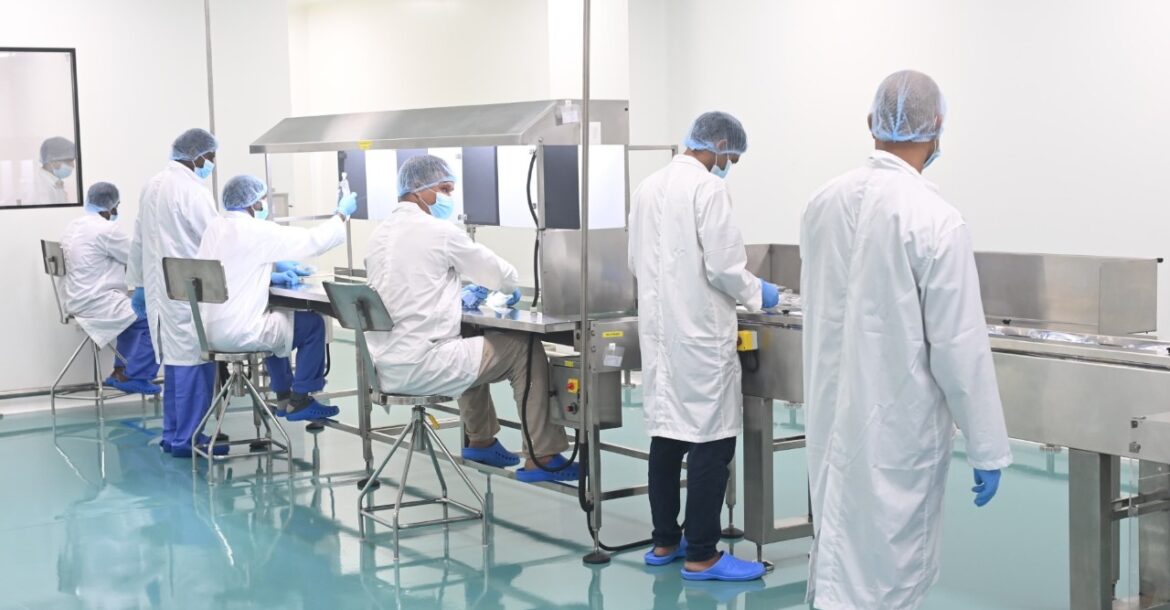
Among the flagship developments is the Dhofar Pharmaceutical Industries Factory in Raysut Industrial City, inaugurated in September 2024 at a cost of over RO 15 million. The facility spans 22,000 square meters and specializes in producing intravenous and kidney dialysis solutions using cutting-edge technology. With an annual capacity of 15 million IV units and 2.3 million dialysis units, it far exceeds local demand and supports regional healthcare systems.
Another key player is Oman Pharmaceuticals Company, a longstanding manufacturer since 2001, which now holds a cumulative investment of RO 35 million. Also based in Raysut, the factory produces a wide range of pharmaceutical products — from antibiotics to effervescent tablets — and exports to over 45 countries including the US and Europe.
Read More
- His Majesty Sultan Haitham leaves for state visits to China and Brunei
- Oman police detain 10 over street racing in Nizwa and Izki
- Oman’s Musandam seeks tourism relief, studies new port in Khasab
- Crude oil spill reported after tanker overturns in Oman’s Al Dhahirah
- Invest Oman secures RO 3.09 billion in projects as investment drive gathers pace
Raysut also hosts a RO 5 million facility focused on medical supplies, manufacturing gloves, masks, and respirators to meet both local and Gulf region demand. Meanwhile, Salalah Medical Supplies Manufacturing Company, founded in 1997, continues to serve Oman and the GCC with essential medical products like cotton, bandages, and adhesive tapes.
In the Salalah Free Zone, the Felix Pharmaceutical Industries project is injecting RO 35 million into the region to establish a state-of-the-art pharmaceutical and biological production center. The first phase aims to roll out one billion tablets and capsules annually, with antivirals, heart disease drugs, and vaccines in future phases.