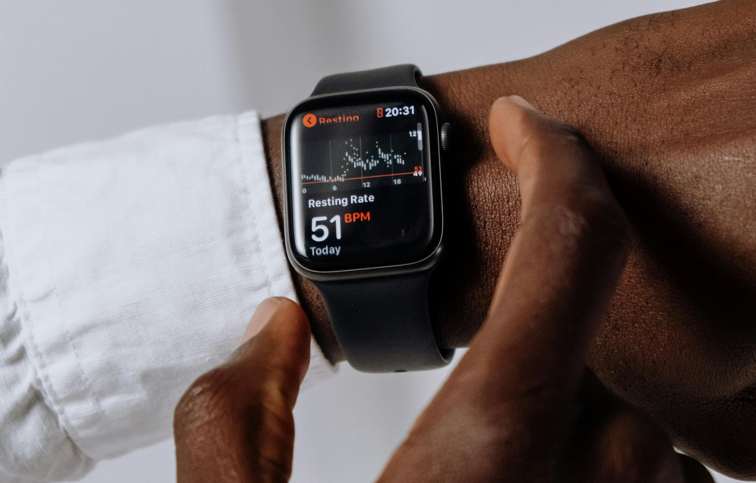

Wearable tech and AI-powered health apps are redefining how individuals monitor and optimize their health during fasting, turning intuition into insight.
From tracking hydration levels to optimizing sleep and metabolism, these innovations empower users to make informed choices, ensuring fasting remains a spiritual experience and a scientifically sound one.
The rise of biohacking in fasting
Read More
- Meta introduces Facebook feature allowing users to control suggested content
- Meta bets beyond smartphones with new pocket-sized AI device ‘Charm’
- OpenAI CEO Sam Altman to brief UNSC amid growing calls for AI safeguards
- Meta rolls out parental supervision on Threads in Asia-Pacific, expands controls for teens under 16
- Meta agrees to report child abuse cases to Indian authorities
The concept of biohacking—making small, science-driven adjustments to optimize health—has found its way into fasting, especially in the UAE. As intermittent fasting gains popularity for its metabolic benefits, it aligns seamlessly with religious and cultural fasting traditions like Ramadan.
Doctors have observed a sharp rise in people embracing wearable health devices such as glucose monitors, heart rate trackers, and AI-powered apps that analyze hydration, sleep, and metabolism. These tools help fasters fine-tune their routines for maximum wellness without compromising their faith-driven goals.
Smart fasting
Today’s advanced wearables are not just tracking steps—they are transforming fasting itself.
- Continuous Glucose Monitoring (CGM): Keeps blood sugar levels in check, preventing hypoglycemia or sudden energy crashes.
- Heart Rate Variability (HRV) Sensors: Monitor cardiovascular stability, ensuring safe fasting practices.
- Hydration Trackers: Alert users to electrolyte imbalances, helping them rehydrate effectively during non-fasting hours.
- Sleep Optimization Tools: Analyze sleep patterns to mitigate the effects of disrupted sleep schedules during Ramadan.
Dr. Niyas Khalid, a specialist in Internal Medicine at Burjeel Medical City, Abu Dhabi, highlights AI’s role in sleep tracking. “AI can diagnose sleep disorders by analyzing patterns and offering personalized treatment plans—crucial for those navigating altered sleep cycles during Ramadan.”
AI coaching
Beyond wearables, AI-driven health apps are becoming essential fasting companions. These apps provide tailored meal recommendations, hydration alerts, and fasting duration adjustments based on real-time health metrics.
- AI-powered fasting assistants: Suggest optimal Suhoor (pre-dawn meal) and Iftar (meal to break fast) choices based on individual metabolism.
- Hydration and nutrition alerts: Remind users when to drink water or consume electrolyte-rich foods to maintain balance.
- Personalized adjustments: Detect fasting-related stress and recommend lifestyle tweaks for better energy levels.
However, doctors caution against over-reliance. While these tools enhance fasting, excessive tracking can lead to anxiety. The key is balance—using technology as a guide while staying in tune with the body’s natural signals.
Beyond health
Fasting isn’t just about physical endurance—it’s about spiritual connection, and technology is making this more accessible too. Ramadan-specific apps now offer:
- Virtual Quran study groups and prayer reminders
- AI-generated Quranic reflections for daily contemplation
- Smart home enhancements for a calmer fasting atmosphere
As Ramadan meets the digital age, wearables and AI aren’t replacing traditions; they have the ability to enhance them.
Fasting has always been about discipline, reflection, and balance. Now, with AI and wearables, it’s also about optimization. Whether it’s tracking glucose, improving sleep, or making smarter food choices, technology is ensuring that fasting remains both meaningful and mindful—one data point at a time.





